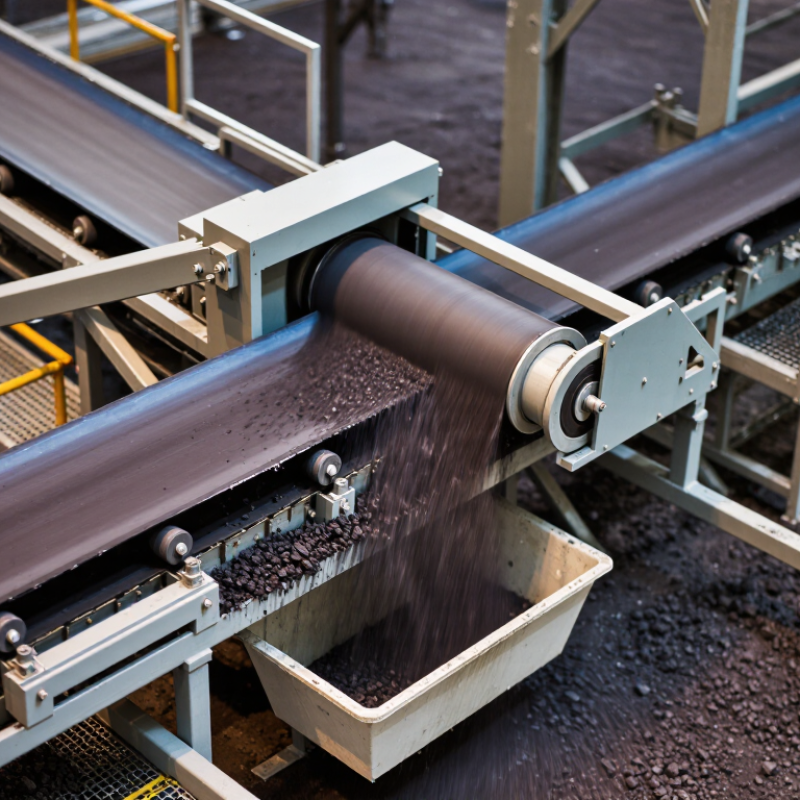
| Primary belt cleaner | Carbide-tipped or polyurethane blade mounted near the head pulley | Removes the thick layer of carryback immediately after discharge | Align the blade across the belt width and maintain consistent contact without excessive pressure | Inspect weekly at first; replace or adjust the blade when wear reduces cleaning contact | Best for removing coarse material; incorrect tension can increase belt and splice wear |
| Secondary belt cleaner | Segmented polyurethane blades or multiple cleaning elements below the head pulley | Removes fine particles left behind by the primary cleaner | Install after the primary cleaner with sufficient clearance for belt flex and inspection access | Check blade wear, buildup, and mounting hardware during scheduled conveyor inspections | Improves overall cleaning efficiency and reduces material reaching return-side components |
| Water-based cleaner | Spray bar, scraper, or brush used with controlled water flow | Loosens sticky or water-soluble material from the belt surface | Provide drainage, suitable water pressure, splash protection, and compatible wastewater handling | Clean spray nozzles and inspect pumps, hoses, seals, and drainage points | Can improve cleaning of wet fines but may increase corrosion, freezing, and housekeeping requirements |
| Rotary brush cleaner | Powered or belt-driven cylindrical brush positioned against the belt | Brushes residual fines from textured, cleated, or mechanically fastened belts | Set brush-to-belt pressure carefully and confirm correct rotation relative to belt travel | Remove buildup and monitor bristle wear, bearings, drive components, and guards | Useful for irregular belt surfaces; excessive pressure can accelerate belt or bristle wear |
| V-plow or diagonal plow | Wear-resistant blade installed on the return side before the tail pulley | Prevents trapped material from entering the tail pulley and damaging the belt | Mount centrally with adequate clearance from the belt and structure; avoid sharp edges | Inspect for blade wear, misalignment, and accumulated material at least weekly | Protects pulleys and reduces belt damage but is not a substitute for a head-pulley cleaner |
| Mounting and tensioning system | Fixed, spring-tensioned, or elastomer-supported frame | Maintains controlled cleaning pressure as the blade wears or the belt flexes | Use rigid supports, verify shaft alignment, and follow the cleaner’s specified pressure range | Check fasteners, springs, pivots, and tension settings during preventive maintenance | Stable tension improves cleaning consistency and helps prevent excessive belt contact force |
| Inspection and access arrangement | Service platforms, guards, inspection doors, and safe adjustment points | Enables safe observation, cleaning, adjustment, and component replacement | Keep access clear and install guards around rotating parts; isolate and lock out equipment before service | Record wear rates, carryback levels, belt tracking, and corrective actions | Good access reduces downtime and supports consistent preventive maintenance practices |
| Operating environment | Dry, wet, abrasive, corrosive, high-temperature, or frozen material conditions | Determines the suitable blade material, cleaner type, and maintenance interval | Select materials compatible with temperature, moisture, chemicals, belt speed, and material abrasiveness | Shorten inspection intervals when carryback, abrasion, temperature, or moisture levels are high | Correct environmental selection generally improves service life, belt protection, and cleaning reliability |