Low Pressure Sand Casting Benefits and Best Practices?
Low Pressure Sand Casting is revolutionizing the foundry industry. As noted by industry expert Dr. Sarah Johnson, "This method improves precision while reducing waste." The ability to create complex shapes at lower pressures is a game changer. Manufacturers now enjoy enhanced efficiency and cost savings.
Companies are increasingly adopting Low Pressure Sand Casting due to its advantages. The technique allows for better control over metal flow. This control leads to fewer imperfections in the final product. However, not all practitioners follow best practices. Some overlook necessary pre-casting preparations, which can lead to defects.
While Low Pressure Sand Casting has several benefits, refining the process remains vital. Industry professionals must continuously evaluate their techniques. Striving for quality should always be a priority. By addressing gaps and learning from mistakes, companies can maximize the potential of Low Pressure Sand Casting.
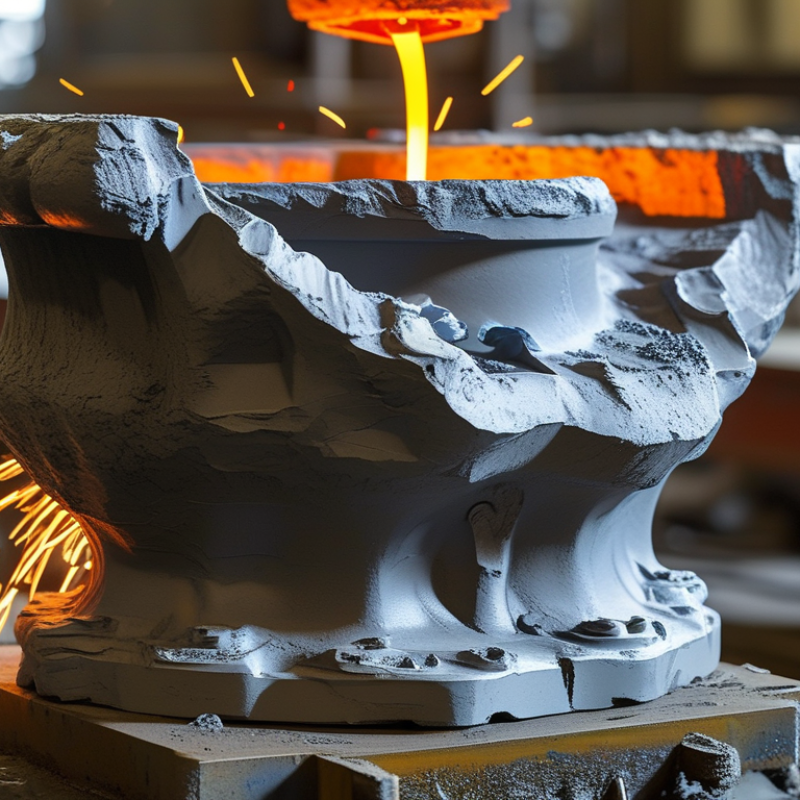
Benefits of Low Pressure Sand Casting in Manufacturing
Low pressure sand casting offers several advantages in manufacturing that enhance efficiency and product quality. One main benefit is the ability to create complex shapes with high dimensional accuracy. This method reduces the need for extensive machining, saving both time and costs. Additionally, low pressure casting minimizes defects such as porosity. With even metal distribution, the end products achieve better mechanical properties.
**Tips:** Always maintain a clean workspace. Contaminants in the sand can lead to defects. Regularly monitor and calibrate equipment to ensure consistent performance. It is important to understand the limitations of your materials and processes. Sometimes, unexpected challenges may arise during casting that could lead to flaws.
Another significant advantage is the ability to use various alloys. Low pressure sand casting accommodates multiple metal types, providing flexibility in design projects. Manufacturers can adapt the process to specific performance needs. However, this flexibility should be approached with caution. Each alloy poses unique challenges that require careful attention during production.
**Tips:** Invest in training for your team. Knowledgeable staff can spot potential issues early. Regular reviews of your methods can lead to continuous improvement. Be open to feedback and stay updated on new techniques in the field.
Benefits of Low Pressure Sand Casting in Manufacturing
Key Advantages of Low Pressure Sand Casting Techniques
Low pressure sand casting offers numerous advantages in modern manufacturing. This technique allows for the production of complex shapes and sizes with a superior surface finish. According to the American Foundry Society, this process can reduce defects and improve dimensional accuracy by up to 40%. This enhancement is particularly beneficial in industries such as automotive and aerospace, where precision is critical.
Another significant advantage is the reduction in material waste. Studies show that low pressure sand casting can minimize scrap rates by 20% compared to traditional methods. This efficiency not only lowers costs but also promotes sustainability in production. Manufacturers increasingly prioritize eco-friendly practices, and low pressure sand casting aligns well with these goals.
Tips: Ensure proper mold design to achieve optimal results. Regular maintenance of equipment can also prevent unexpected failures. Lastly, investing in employee training on best practices enhances overall productivity and reduces errors.
Essential Best Practices for Low Pressure Sand Casting Process
Low pressure sand casting is a method that brings numerous benefits. However, success hinges on understanding essential best practices to optimize the process. Here are some key practices worth considering.
Consistency in sand preparation is crucial. Use the appropriate sand mixture and ensure it remains uniformly moist. This influences the final product quality. Improper moisture levels can lead to defects like voids. Monitor your mixture closely and adjust as needed.
Tip: Regularly test your sand to ensure optimal performance.
The mold design also matters significantly. A well-designed mold reduces the chance of air entrapment and ensures smoother flow. Consider the geometry of your component. Complex shapes may require more thought. Failure to do so can result in increased costs and wasted materials.
Tip: Utilize simulation software for mold design validation.
Finally, focus on temperature control. Maintain the desired metal temperature throughout casting. Too high or too low can cause issues like poor surface finish or structural weaknesses.
Tip: Invest in reliable thermocouples for precise readings.
These practices help optimize low pressure sand casting. Understanding and implementing them can lead to significant improvements and reduced waste.
Common Applications of Low Pressure Sand Casting in Industry
Low pressure sand casting has gained traction in various industries due to its unique advantages. This method is particularly efficient for producing complex shapes and large parts. Industries like automotive and aerospace rely heavily on this casting method for creating components with intricate designs and high strength. Research indicates that around 30% of automotive components utilize sand casting techniques. This statistic emphasizes the significant role of low pressure sand casting in manufacturing reliable parts.
In addition to the automotive sector, low pressure sand casting is used in producing valves, pumps, and housings for industrial equipment. A report from the Foundry Industry indicates that nearly 20% of all cast metal products are made using sand casting, showcasing its prevalence. This process allows for better control over the pouring rate, reducing defects and improving the overall quality.
Despite its advantages, the process isn’t without challenges. High precision requirements can lead to longer production times, which may not be ideal in every situation. Moreover, while low pressure can reduce gas entrapment, it may not eliminate it entirely. Continuous refinement in technique and technology is necessary to overcome these issues and optimize efficiency. The balance between speed and quality remains a key focus for manufacturers today.
Mitigating Challenges in Low Pressure Sand Casting Implementation
Low pressure sand casting offers unique advantages, particularly in reducing defects and improving surface quality. However, the implementation of this technique isn’t always straightforward. Challenges commonly arise, such as equipment calibration and process consistency. These problems can lead to variations in product quality.
To mitigate these issues, regular monitoring and adjustment of parameters are essential. Operators should focus on controlling temperature and pressure levels throughout the process. Training staff on specific techniques can make a difference as well. A well-trained team is crucial to address challenges effectively.
Communicating between departments is vital. Design, engineering, and production teams must work closely together to identify potential issues early. Documentation of processes helps track improvements and setbacks. This reflective practice is invaluable in refining low pressure sand casting techniques. Each project should provide insights to enhance skills and processes for the future.