What Is the Best Dual Purpose Marine Battery from China?
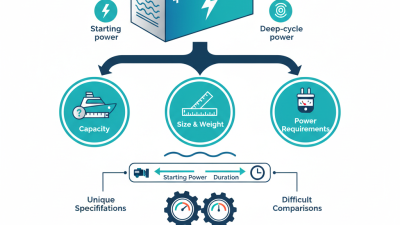
Choosing the best dual purpose marine battery from China requires more than comparing prices or advertised amp-hour ratings. A reliable choice must start an engine quickly and provide steady power for electronics, lights, pumps, and onboard accessories. These demands can conflict. Starting batteries deliver strong bursts, while deep-cycle batteries support longer, slower discharge.
A practical review should examine battery chemistry, cold cranking amps, reserve capacity, cycle life, weight, terminal design, and charging requirements. AGM batteries offer sealed construction and useful vibration resistance. Lithium batteries can reduce weight and improve usable capacity, but they need compatible chargers and careful battery management. Lead-acid models may cost less, yet their lifespan depends heavily on charging habits and maintenance.
Details matter.
Chinese manufacturers vary widely in quality, testing, and after-sales support. Buyers should request test reports, production information, warranty terms, and clear performance data from the actual factory. Independent verification is valuable, especially when claims appear unusually impressive. A supplier’s certificate alone does not prove real-world endurance. Marine vibration, heat, salt exposure, and repeated partial charging can reveal weaknesses that laboratory figures miss.
The best dual purpose marine battery is not automatically the cheapest or lightest model. It should match the boat’s engine size, electrical load, installation space, and charging system. I would also question any recommendation based only on brand popularity. That approach can overlook smaller factories with stronger quality control. Still, without long-term field data, every conclusion deserves some caution. This guide compares practical specifications, supplier credibility, and ownership risks to help buyers make a dependable decision.

Understanding Dual-Purpose Marine Batteries and Their Core Functions
What Is the Best Dual Purpose Marine Battery from China?
A dual-purpose marine battery combines engine starting power with steady accessory support. Its plates are designed for short, high-current bursts and repeated partial discharge. Battery Council International explains that starting batteries use thinner plates, while deep-cycle batteries use thicker plates. Dual-purpose designs sit between these demands. The compromise is real. They may start an outboard reliably, yet support pumps, lights, and electronics less deeply than a dedicated house battery.
China supplies many marine batteries, but factory location does not define quality. Construction details matter more. Check cold cranking amps, reserve capacity, cycle-life testing, terminal protection, and temperature ratings. A useful comparison requires the same testing standard. The 2023 NMMA Recreational Boating Statistical Abstract reported about 11.6 million registered recreational boats in the United States. That large fleet shows why dependable starting and onboard power remain practical priorities. Still, advertised capacity can look better than real-world performance. Installation, charging, and storage often change results.
Tips: Match the battery to engine size and accessory load. Measure available tray space before ordering. Request test reports, traceable batch numbers, and charging instructions. For lithium models, verify battery-management protection and charger compatibility. For lead-acid models, inspect venting and corrosion resistance. Do not select only by amp-hours. A smaller reserve capacity may leave navigation equipment powerless overnight. A stronger starting rating may add unnecessary weight. Reflect on actual use, not the catalogue headline.
What Is the Best Dual-Purpose Marine Battery from China?
Typical performance comparison of common dual-purpose marine battery group sizes. Capacity supports onboard electronics and accessories, while cold-cranking amps (CCA) indicate starting performance in cold conditions.
The figures are representative specifications for commonly used 12-volt dual-purpose marine batteries. Actual capacity and CCA vary by battery design, temperature, testing standard, and manufacturer. A suitable choice should match the boat’s engine starting requirement, available battery space, and onboard electrical load.
Comparing China’s Leading Dual-Purpose Marine Battery Types
China’s dual-purpose marine batteries generally fall into four groups: flooded lead-acid, AGM, gel, and lithium iron phosphate (LiFePO4). Flooded batteries remain affordable and tolerant of basic charging systems. However, they need ventilation, water checks, and careful mounting. AGM batteries offer stronger vibration resistance and faster recovery after engine starting. They suit fishing boats with moderate electronics. Gel batteries resist deep discharge well, but their charging limits are less forgiving. One mistake can shorten their life.
LiFePO4 provides the best usable capacity and lowest weight. A 100 Ah lithium battery can often deliver nearly 90 Ah, while lead-acid designs commonly provide about 50 Ah without severe wear. The International Energy Agency reported that LFP chemistry represented around 40% of global electric-car battery deployments in 2023. That growth supports China’s expanding LFP supply chain, but marine performance still depends on battery-management software, low-temperature protection, and proper chargers. Lithium is not automatically better.
For a practical comparison, choose AGM when starting reliability and simple installation matter most. Choose flooded lead-acid for budget-sensitive, lightly equipped boats. Gel works for steady auxiliary loads, not aggressive charging. LiFePO4 suits boats running sonar, refrigeration, lighting, and electric accessories for long periods. The U.S. Battery Council reports lead-acid recycling rates above 99% in the United States, giving traditional batteries a strong circularity advantage. My field concern is often overlooked: some low-cost batteries advertise high capacity but provide weak cold-cranking output. Check tested CCA, cycle-life conditions, IP protection, terminal design, and certification records before purchase.
Safety, Quality Standards, and Supplier Evaluation
What Is the Best Dual Purpose Marine Battery from China?
A dependable dual-purpose marine battery must deliver strong starting power and steady deep-cycle performance. Safety begins with the battery design, not the sales brochure. For lead-acid models, inspect ventilation, sealed terminals, acid resistance, and vibration protection. For lithium models, check the battery management system, temperature sensors, and overload protection. Marine use is demanding. Salt spray, engine vibration, and repeated discharge can expose weak construction quickly.
Quality documents should match the exact model and production batch. Ask for test reports covering capacity, cold-cranking performance, vibration, leakage, and cycle life. Relevant standards may include IEC 60095, ISO 9001 production controls, and UN 38.3 for lithium transport. Requirements vary by battery chemistry and destination. A certificate alone is not enough. I would verify the issuing laboratory and test dates, because outdated paperwork can create false confidence.
Tips:
Request three samples from different production dates. Compare weight, terminal torque, labels, and measured capacity. Ask whether cells, plates, and protective components are traceable. A reliable supplier should explain warranty exclusions clearly and provide inspection records without hesitation. Factory videos help, but an independent audit is stronger. No checklist catches everything. Leave room for careful testing, because even a promising sample may not represent long-term marine performance.
Installation, Maintenance, and Service Life Considerations
What Is the Best Dual Purpose Marine Battery from China?
Choosing a dual purpose marine battery requires more than comparing capacity and price. Check the datasheet carefully. It should list starting power, reserve capacity, cycle rating, dimensions, terminal type, and operating temperature. A suitable battery must start the engine and support lights, pumps, electronics, and communication equipment. Confirm the battery fits the tray firmly. Leave enough space for inspection and cable access. Loose mounting can create vibration damage during rough water conditions.
Tips:
Measure the compartment before ordering. Photograph the existing cable layout. Match cable polarity exactly. Use marine-grade terminals and protect connections with heat-shrink tubing. A fuse or breaker near the positive terminal improves installation safety. For lead-acid batteries, provide suitable ventilation and keep sparks away. Lithium models need a compatible battery management system and charger. I have seen installation errors cause more trouble than poor battery quality.
Maintenance Determines Service Life
Inspect terminals monthly for looseness, heat marks, or white corrosion. Clean them carefully, then apply suitable terminal protection. Recharge the battery soon after heavy use. Long storage with low charge can cause permanent capacity loss. Use a smart charger that matches the battery chemistry. Test resting voltage and starting performance before long trips. Service life varies with heat, discharge depth, charging habits, and vibration. A two-year replacement assumption may be too simple. Actual performance should guide the decision. Keep a written maintenance record. Small details matter.