10 Best Power Battery Technologies Transforming the Future?
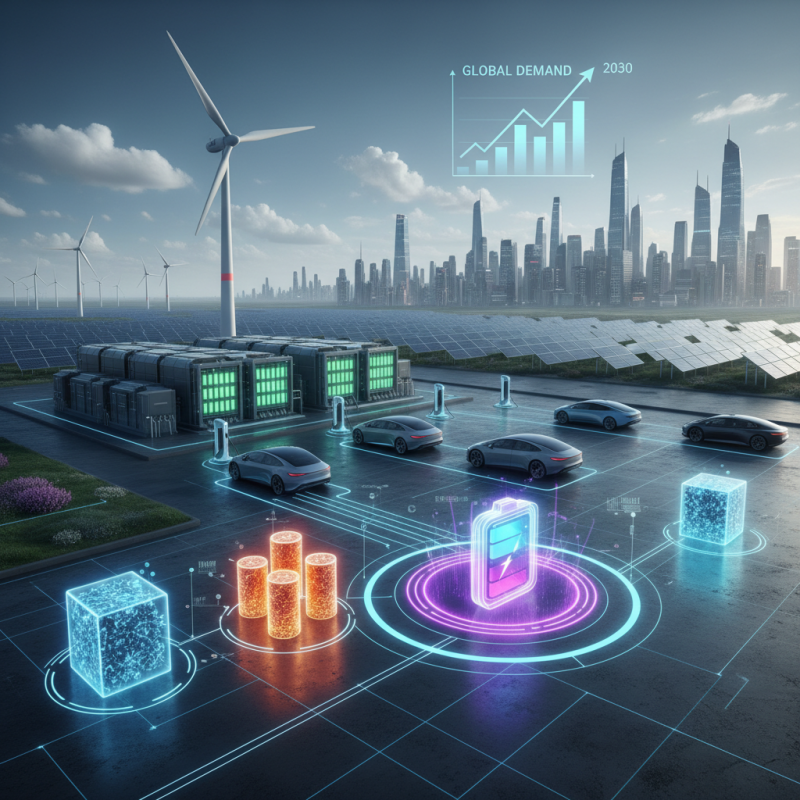
The landscape of power battery technologies is rapidly evolving. A recent report from the International Energy Agency (IEA) indicates that global demand for power batteries will increase by 30% annually through 2030. This rise is driven largely by the expanding electric vehicle market and renewable energy storage solutions. Companies are racing to develop more efficient, sustainable alternatives.
Current power battery technologies are not without challenges. Issues like raw material sourcing and recycling methods require ongoing research. The efficiency of existing lithium-ion batteries is reaching a plateau. As a result, innovations such as solid-state batteries and sodium-ion technology are gaining traction. These technologies promise greater safety and improved energy density.
Investing in these future power battery solutions is a risk, but the potential rewards are significant. The shift towards cleaner energy systems hinges on our ability to adapt and refine these technologies. The future of power batteries holds promise, but it demands critical examination and constant innovation.
Overview of Power Battery Technologies Shaping the Future
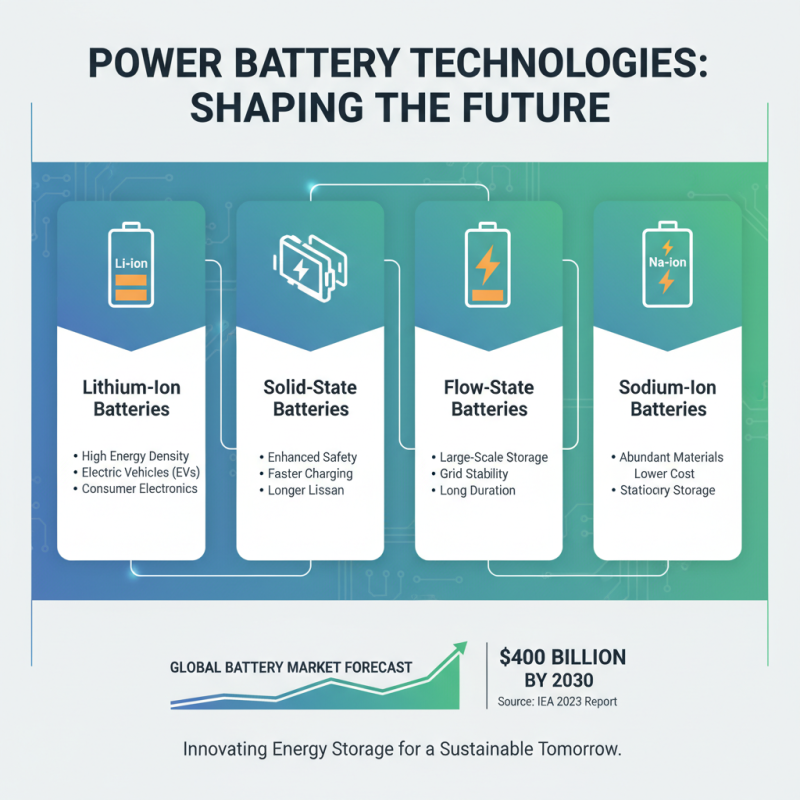
The landscape of power battery technologies is evolving rapidly. Innovations are not just keeping pace with electricity demands; they are transforming the way we think about energy storage. According to a 2023 report from the International Energy Agency, the global battery market is expected to reach $400 billion by 2030. This growth hinges on advancements in various battery technologies, each with unique strengths.
Solid-state batteries stand out for their safety and energy density. They can deliver more power while reducing risks of overheating or fires. Research indicates that solid-state batteries could improve energy density by 50% compared to lithium-ion counterparts. Another promising technology is sodium-ion batteries. They offer an abundant alternative to lithium, which could stabilize prices in the long run. Data from a recent market analysis suggests that sodium-ion battery production could increase by 300% in the next five years.
Challenges remain in the development of these technologies. Manufacturing costs and scalability pose significant obstacles. For instance, while solid-state batteries are promising, mass production has not yet been achieved. The transition to more sustainable materials is crucial as well. Lithium supply chain issues raise concerns about ethical mining practices, leading to a push for innovation. As power battery technologies progress, understanding their potential and limitations will be essential for sustainable energy solutions.
Lithium-ion Batteries and Their Evolution in Energy Storage
Lithium-ion batteries have revolutionized energy storage over the past few decades. They dominate the portable electronics market and are increasingly used in electric vehicles. According to a report from the International Energy Agency (IEA), global lithium-ion battery capacity exceeded 300 GWh in 2020, with a projected growth rate of 30% per year. This rapid increase reflects their critical role in renewable energy integration.
However, the environmental impact of lithium-ion batteries raises concerns. The extraction of lithium, cobalt, and nickel can cause significant ecological damage. Data show that about 60% of the world's cobalt comes from the Democratic Republic of Congo, where mining practices have faced scrutiny. Additionally, recycling rates for these batteries remain low, at around 5%. This poses a significant challenge as the demand for battery storage continues to grow.
The evolution of lithium-ion technology is ongoing. Researchers are exploring solid-state batteries as a potential alternative. These batteries promise higher safety and energy density. Yet, the commercial viability of solid-state technology still faces hurdles. Innovations in this field must also address scalability and production costs to truly transform energy storage solutions. As the industry progresses, balancing efficiency with environmental responsibilities will be crucial.
Battery Technology Performance Comparison
This chart compares the energy density of various battery technologies that are shaping the future of energy storage. Lithium-ion batteries remain the most commonly used, while emerging technologies like solid-state and sodium-ion batteries show promising energy densities.
Solid-State Batteries: Breaking Ground in Safety and Efficiency
Solid-state batteries are emerging as a revolutionary power source in today's energy landscape. According to recent data from the International Energy Agency (IEA), these batteries could potentially increase energy density by 50% compared to traditional lithium-ion technologies. This significant efficiency marks a major leap for electric vehicles and portable electronics.
One striking aspect of solid-state batteries is their inherent safety. Traditional batteries often face risks like thermal runaway and leakage. Solid-state designs minimize these hazards due to their solid electrolytes, eliminating flammable liquids. Reports indicate solid-state technology can reduce battery fire risks by 80%, a statistic that captures the attention of manufacturers and consumers alike.
However, at the same time, the technology faces hurdles. While promising, challenges like high production costs and scalability remain. Current estimates suggest it may take 5 to 10 years to fully commercialize solid-state batteries. As research continues, the potential for solid-state batteries to transform energy storage keeps poignant industry discussions alive. Data-driven insights show that refining these technologies may lead to breakthroughs, yet the path is far from straightforward.
10 Best Power Battery Technologies Transforming the Future
| Technology |
Energy Density (Wh/kg) |
Charge Time (Hours) |
Cycle Life (Cycles) |
Safety Rating |
| Solid-State Batteries |
300 |
1 |
2000 |
High |
| Lithium-Sulfur Batteries |
500 |
2 |
600 |
Medium |
| Lithium-Ion Batteries |
250 |
1.5 |
1000 |
Medium |
| Sodium-Ion Batteries |
100 |
3 |
300 |
Low |
| Flow Batteries |
150 |
4 |
5000 |
High |
| Supercapacitors |
25 |
0.1 |
500000 |
Very High |
Flow Batteries: A Sustainable Solution for Large-Scale Energy Storage
Flow batteries are gaining attention as a sustainable solution for large-scale energy storage. They utilize liquid electrolytes to store energy, allowing for longer life cycles compared to traditional batteries. According to a 2023 report by the U.S. Department of Energy, flow batteries can provide up to 10,000 cycles, significantly outperforming lithium-ion batteries, which typically last for about 2,000 cycles.
The scalability of flow batteries makes them ideal for renewable energy integration. Their ability to store excess energy from sources like solar and wind addresses the growing demand for reliable energy. Research from BloombergNEF indicates that by 2030, flow batteries could reduce the cost of grid-scale storage by 30%. This decrease in cost will likely encourage more widespread adoption, contributing to decarbonization efforts.
However, challenges remain. The technology currently faces issues related to efficiency and energy density. Flow batteries operate at around 70%-80% efficiency, which is lower than lithium-ion batteries. Additionally, they often require larger setups and more complex systems, which may hinder deployment in certain areas. As industry experts continue to refine the technology, addressing these drawbacks will be essential for maximizing flow batteries' potential in the energy landscape.
Future Prospects of Battery Technologies and Their Market Impact
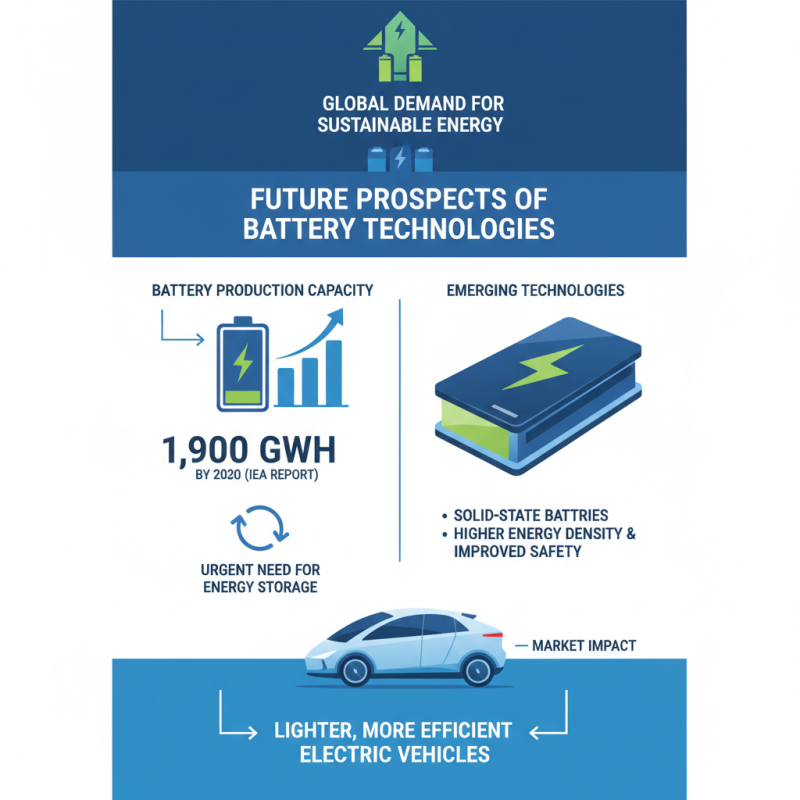
As global demand for sustainable energy solutions rises, innovative battery technologies are becoming crucial. According to a report by the International Energy Agency, annual battery production capacity is expected to reach 1,900 GWh by 2030. This dramatic increase reflects an urgent need for energy storage across sectors. Emerging technologies like solid-state batteries promise higher energy densities and improved safety. These advancements could lead to lighter electric vehicles, making them more efficient.
However, challenges remain. The recycling and lifecycle management of batteries require urgent attention. The World Economic Forum has noted that improper disposal can lead to environmental concerns. An estimated 60% of batteries are not recycled. This highlights the necessity for sustainable practices alongside technological advancements. Moreover, while lithium-ion remains dominant, new chemistries, such as sodium-ion and lithium-sulfur, are in early development phases. Their long-term viability in the market is still under assessment, indicating a need for further research and investment.