What Is a Better Battery? Key Features and Benefits Explained
In an era where sustainable energy solutions are more critical than ever, the quest for a "better battery" has taken center stage. Experts in the field, like Dr. Emily Chen, a renowned battery technology researcher, emphasize the importance of innovation in this sector. "The future of energy storage relies heavily on our ability to develop better batteries that are not only efficient but also environmentally friendly," she states, highlighting the dual necessity for enhanced performance and sustainability.
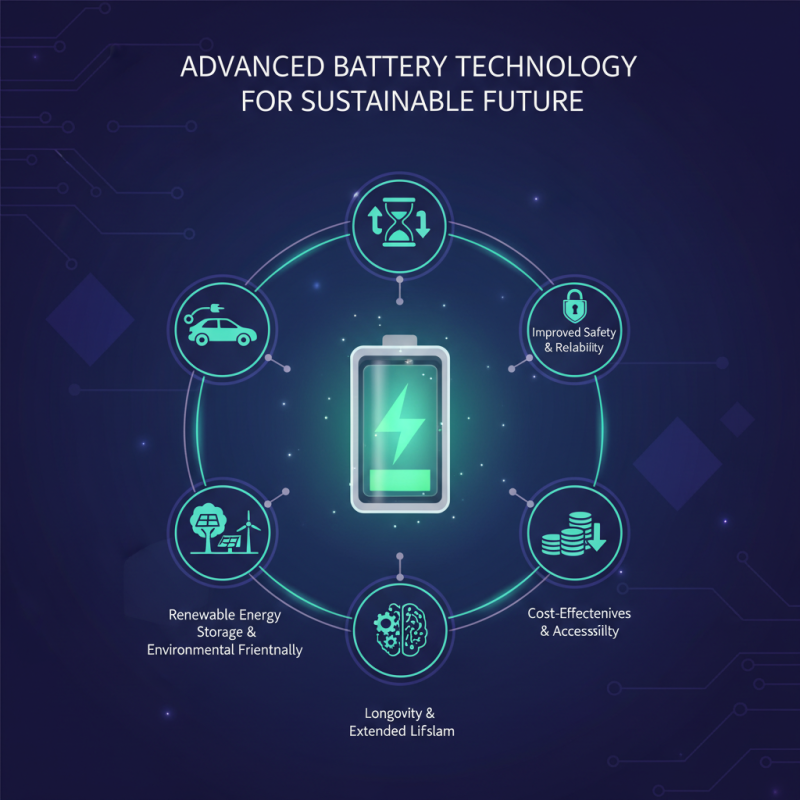
The evolution of battery technology is not just about increasing capacity; it's about integrating features that align with modern energy demands. From electric vehicles to renewable energy storage, a better battery must address challenges such as longevity, safety, and cost-effectiveness. As we explore the key features and benefits of advanced battery designs, it becomes imperative to understand how these innovations can lead to more efficient energy solutions, ultimately benefiting both consumers and the planet.
As we delve deeper into what constitutes a better battery, we will examine the technological advancements driving this industry forward. By understanding these key aspects, we can better appreciate the foundational role that improved battery technologies play in the broader context of energy reform and sustainability.
Understanding Battery Types: Lead Acid, Lithium-Ion, and More
When it comes to energy storage, understanding the various battery types is crucial for selecting the right one for your needs.
Lead-acid batteries have been around for over a century and are widely used in automotive and backup power applications. They are known for their reliability and low initial cost, but they are relatively heavy and have a shorter lifespan compared to newer technologies.
Additionally, lead-acid batteries require regular maintenance and can have lower energy efficiency.
On the other hand, lithium-ion batteries have gained popularity due to their high energy density and lightweight design, making them ideal for portable electronics and electric vehicles.
They also offer faster charging times and a longer cycle life, making them more advantageous for modern applications.
However, lithium-ion batteries tend to have a higher upfront cost and may require specific management systems to ensure safety and longevity.
Understanding these differences is key to determining the most suitable battery type for specific applications, whether it’s for energy storage, mobility solutions, or renewable energy systems.
Key Features of Modern Batteries: Capacity, Lifespan, and Efficiency
Modern batteries play a crucial role in powering a wide range of devices, from smartphones to electric vehicles. Understanding their key features—capacity, lifespan, and efficiency—is essential for optimizing performance and sustainability. Battery capacity, often measured in ampere-hours (Ah) or milliampere-hours (mAh), determines how much energy a battery can store. According to a report by IDTechEx, the global demand for battery capacity is expected to reach over 1,500 GWh by 2030, primarily driven by the rise in renewable energy storage and electric vehicle applications. Higher capacity batteries enable longer usage times and reduce the frequency of recharging, making them particularly valuable in portable electronics.
Lifespan is another critical feature that affects battery performance. This is typically quantified in charge cycles—the number of complete charges and discharges a battery can undergo before its capacity significantly diminishes. A study by the US Department of Energy indicates that most modern lithium-ion batteries can endure between 500 to 2,000 charge cycles, though this can vary based on usage and charging habits. Enhanced battery management systems and innovative materials are paving the way to extend the lifespan even further, addressing consumer concerns regarding battery longevity.
Efficiency, referring to the ability of a battery to convert energy without excessive loss, is crucial for reducing operational costs and environmental impact. Reports indicate that advanced battery technologies are achieving efficiency rates above 90%, an improvement that maximizes the utility of stored energy. These advancements are sending ripples through the market, as higher efficiency translates to less energy wasted and lower greenhouse gas emissions, steering the industry towards a more sustainable future.
What Is a Better Battery? Key Features and Benefits Explained
| Battery Type |
Capacity (mAh) |
Lifespan (Years) |
Efficiency (%) |
Charge Time (Hours) |
| Lithium-ion |
3000 |
3-5 |
95 |
1-2 |
| Nickel-Metal Hydride |
2700 |
5-7 |
80 |
4-6 |
| Lead Acid |
2000 |
3-5 |
70 |
8-10 |
| Solid-State |
4000 |
10+ |
95 |
1-1.5 |
| LiFePO4 |
3200 |
10-15 |
90 |
2-4 |
The Impact of Battery Chemistry on Performance and Safety Standards
Battery chemistry plays a pivotal role in determining the performance and safety standards of energy storage solutions. For instance, lithium-ion batteries, known for their high energy density and long cycle life, dominate the electric vehicle market. According to a report by the International Energy Agency (IEA), over 90% of electric vehicles sold globally use lithium-ion technology, primarily due to its superior ability to store energy efficiently. In contrast, lead-acid batteries, while less expensive, typically have a lower energy density and shorter lifespan, making them less favorable for applications that demand prolonged performance.
Safety standards are equally critical when evaluating battery technologies. Battery failures can lead to hazardous events, underscoring the need for stringent safety protocols. The UN's Recommendations on the Transport of Dangerous Goods provides guidelines that many manufacturers follow to ensure safety in battery design and use. For example, advancements in solid-state battery technology show promise, as they replace combustible electrolytes with solid materials, significantly reducing the risk of fire and explosion.
Tips: When selecting a battery, consider not only the initial cost but also the long-term performance and safety features. Additionally, staying informed about the latest advancements in battery technology can provide insights that inform better purchasing decisions. Always check for compliance with safety standards to ensure reliability and safety in your applications.
Comparative Analysis of Battery Costs and Environmental Implications
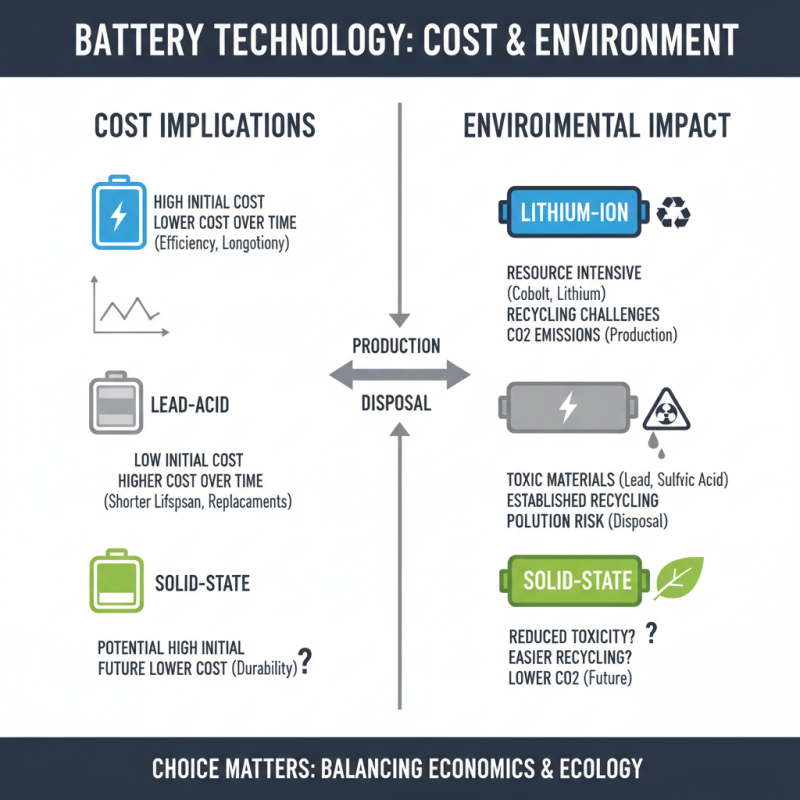
The choice of battery technology significantly impacts not only the overall costs but also the environmental implications associated with production and disposal. Different battery types, such as lithium-ion, lead-acid, and newer solid-state variants, exhibit varied cost structures due to differences in raw materials, manufacturing processes, and longevity. For instance, while lithium-ion batteries may have higher initial costs, their efficiency and cycle life often lead to lower costs over time when considering energy density and replacement frequency.
From an environmental perspective, the extraction of raw materials for batteries raises concerns about ecological degradation and resource depletion. The mining of metals like lithium, cobalt, and nickel has been linked to significant environmental disruption in mining regions, affecting biodiversity and local communities. Furthermore, the disposal of batteries poses a risk of toxic leakage if not properly managed. Thus, advancements in battery recycling technologies are crucial, as they can mitigate some of these environmental impacts by recovering valuable materials and reducing the demand for new raw materials. Emphasizing cleaner, more sustainable manufacturing practices is essential to minimize both the financial costs and the ecological footprint associated with battery production and use.
Future Trends in Battery Technology: Innovations and Market Growth Potential
As battery technology continues to evolve, several key trends are shaping the future landscape of this crucial industry. One significant innovation is the development of solid-state batteries, which promise enhanced safety and greater energy density compared to traditional lithium-ion batteries. This shift can lead to not only longer-lasting devices but also faster charging times and reduced risks of overheating or fires, addressing some of the prevalent concerns associated with current battery technologies.
In parallel, the push towards sustainable and eco-friendly battery materials is gaining momentum. Researchers are exploring alternatives to scarce resources, aiming to create batteries that minimize environmental impact while maintaining high performance. The ongoing advancements in recycling technologies also play a vital role in this trend, as they offer solutions to recover valuable materials from used batteries, facilitating a more circular economy. As these innovations mature, the market potential for next-generation batteries will likely expand, driving growth across multiple sectors, including electric vehicles, renewable energy storage, and portable electronics.
Battery Technology Innovations: Market Growth Potential