What is a Brake Caliper Bracket and How to Choose One?
When it comes to vehicle braking systems, the Brake Caliper Bracket plays a crucial role. This component secures the brake caliper in place, ensuring optimal performance. A high-quality bracket helps improve the overall effectiveness of your brakes. Choosing the right Brake Caliper Bracket can be challenging. Many options are available, making it essential to understand the factors that influence your decision.
Different vehicles have specific requirements for brake brackets. Material choice, design, and compatibility matter greatly. A mismatched bracket can lead to decreased braking efficiency and potential safety concerns. This aspect often gets overlooked. Furthermore, many mechanics may not discuss the importance of this component. It’s vital to be informed and ask the right questions during replacements or upgrades.
Understanding your vehicle's needs will help you choose wisely. Don’t rush the process. Take time to research, ensuring reliability and performance are not compromised. An informed choice leads to better results. After all, safety is paramount when it comes to your vehicle’s braking system.
What is a Brake Caliper Bracket?
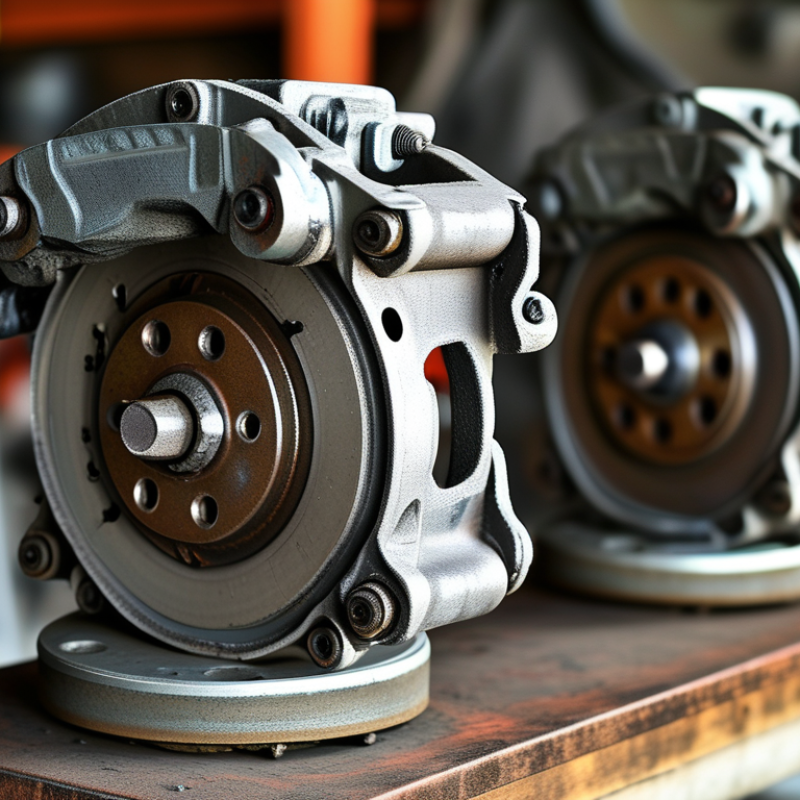
A Brake Caliper Bracket is a crucial component in the brake system. It securely holds the caliper in place, ensuring proper alignment with the brake rotor. This alignment is vital for effective braking performance. Made typically from cast iron or aluminum, the bracket can withstand high temperatures and intense pressure during operation. According to industry reports, a well-designed bracket can enhance braking efficiency by up to 30%.
When choosing a brake caliper bracket, consider the material and compatibility with your vehicle’s brakes. Fitment is essential, as an improper bracket can lead to uneven wear on brake pads. This can cause a decrease in braking performance and safety. Look for brackets that have passed rigorous testing standards.
**Tips:** Regularly inspect your brake caliper bracket for signs of wear or damage. Replace any parts showing cracks or corrosion. Ensure you have the correct specifications for your vehicle before making a purchase. Sometimes, less expensive brackets can compromise safety. Thus, investing in quality parts is always wise.
Key Functions of the Brake Caliper Bracket
The brake caliper bracket plays a crucial role in the overall braking system. It serves as a sturdy support for the brake caliper, which houses the brake pads. A well-designed bracket ensures that the caliper remains properly aligned and that braking power is effectively transferred to the rotors. This alignment is key to achieving optimal braking response and safety on the road.
Choosing the right brake caliper bracket is essential. Factors such as material, design, and compatibility with your vehicle's braking system must be considered. For instance, lightweight materials can improve performance, but they may lack durability. Conversely, heavier materials might offer strength but could compromise response times. It's important to strike a balance. Misjudging these factors can lead to braking inefficiencies and safety hazards. Pay attention to the specifications and consult professionals when needed.
Regular inspection and replacement of the brake caliper bracket can prevent future issues. Over time, wear and tear can affect its integrity. Delayed replacements can escalate brake system failures. Understanding these key functions and maintaining awareness of potential issues will significantly enhance your vehicle's safety and performance.
Types of Brake Caliper Brackets Available
When selecting a brake caliper bracket, understanding the types available is crucial. There are several distinct types. The most common are fixed and floating brackets. Fixed brackets offer greater stability, making them ideal for high-performance applications. Floating brackets, on the other hand, allow for some movement. This flexibility can improve braking power by distributing force evenly across the caliper.
According to industry data, the demand for high-performance brake caliper brackets has risen by 15% over the past year. Users are increasingly seeking components that enhance their vehicle's safety and performance. Steel and aluminum are the primary materials used. Steel is durable and cost-effective, while aluminum provides a lightweight option that can improve overall vehicle dynamics.
Consider the specific needs of your vehicle or application. Some brackets may fit flawlessly, while others might require adjustments for proper installation. Improper fit can lead to decreased braking efficiency and increased wear. Always consult with a knowledgeable professional to ensure you make an informed choice. Each type has advantages and disadvantages, reflecting the complex balance required for effective braking systems.
Factors to Consider When Choosing a Brake Caliper Bracket
When selecting a brake caliper bracket, several factors deserve careful consideration. The material used in the bracket is crucial. Options typically include aluminum and steel. Aluminum is lighter, offering performance benefits. However, steel provides greater durability and strength, especially in high-stress environments. Understanding these differences can influence your choice significantly.
It’s also important to evaluate the fitment of the caliper bracket with your vehicle's braking system. Each model and make has specific requirements. A poorly fitting bracket can lead to erratic braking performance and increased wear on components. To ensure compatibility, always consult detailed specifications and vehicle manuals.
**Tip:** Look for user reviews and expert recommendations when choosing a bracket. Real-world performance data from automotive reports can provide insights. Research indicates that improper bracket selection can reduce the lifespan of brake pads by up to 30%.
Moreover, consider additional features like corrosion resistance. Brackets exposed to harsh conditions can benefit from coatings that enhance longevity. Experts suggest that reviewing installation guides is vital as well. Incorrect installation might compromise safety standards, leading to further complications. Accurate assessments and decisions can make a difference in your braking performance.
Brake Caliper Bracket Material Comparison
This bar chart compares the weight of different brake caliper bracket materials. Choosing the right material is crucial for performance and vehicle dynamics.
Installation Tips for Brake Caliper Brackets
When installing a brake caliper bracket, precision is key. Start by ensuring the vehicle is securely lifted and stable. Use a jack stand to prevent accidents. Remove the wheel to access the brake components. It's essential to keep track of all nuts and bolts during disassembly. Losing a small piece can lead to significant issues later.
Inspect the caliper bracket for any wear or damage. Make sure the surface is clean and free from rust before mounting. Align the bracket correctly with the rotors and calipers. Tighten the bolts evenly but avoid over-torquing. This balance prevents stress fractures. Remember, a poorly installed bracket can affect braking performance.
It can be beneficial to have someone assist you during installation. A second pair of hands can help hold the caliper in place while tightening. Always refer to your vehicle's manual for specific torque specifications. It's easy to overlook details, but every step matters when it comes to safety. Double-checking your work can save you from costly errors down the line.
What is a Brake Caliper Bracket and How to Choose One? - Installation Tips for Brake Caliper Brackets
| Dimension | Description | Material | Weight (lbs) | Suitable Vehicle Types |
| 8.5 x 4.5 x 2.0 inches | Standard bracket for most sedans | Aluminum | 1.2 | Sedans, Coupes |
| 9.0 x 5.0 x 2.5 inches | Heavy-duty for SUVs and Trucks | Cast Iron | 2.5 | SUVs, Trucks |
| 7.5 x 4.0 x 1.8 inches | Lightweight option for compact cars | Plastic Composite | 0.8 | Compact Cars, Hatchbacks |
| 8.0 x 4.5 x 2.2 inches | Performance caliper for sports cars | Forged Aluminum | 1.0 | Sports Cars, Racing Vehicles |