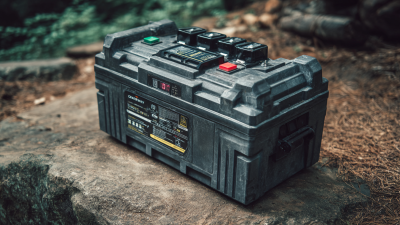
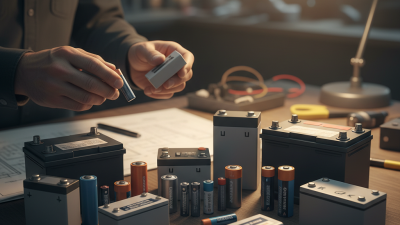
How to Choose the Best Deep Cycle Battery for Your Needs?
Choosing the right battery deep cycle for your needs is crucial. According to John Smith, an industry expert in battery technology, “Understanding your requirements is half the battle.” Deep cycle batteries provide energy over extended periods for applications like solar power and RVs.
Selecting a battery deep cycle requires evaluating factors like capacity, lifespan, and discharge rates. It is important to know how you will use it. For instance, if you need reliable power for camping, a battery with higher capacity is essential. However, it’s easy to overlook what matters most for your situation.
Many consumers rush their decisions, leading to dissatisfaction later. Exploring various options can mitigate this. You might find that a less popular brand suits your needs better. When selecting, consider not just price but also performance and warranty. This will guide you toward the best choice for your unique requirements.
Understanding Deep Cycle Batteries: Basics and Benefits
Understanding deep cycle batteries is essential for various applications. They provide a steady power supply and are ideal for renewable energy systems, RVs, and marine usage. Unlike regular batteries, deep cycle batteries are designed to be discharged and recharged multiple times.
They can deliver a consistent power output over an extended period, which is crucial for devices that require a reliable energy source.
The benefits of using deep cycle batteries are numerous. They have a longer lifespan compared to conventional batteries when maintained correctly. For instance, they can handle deep discharges without significant damage. This makes them particularly useful in off-grid setups where power availability can fluctuate. However, it’s important to monitor their performance regularly.
Choosing the right deep cycle battery involves understanding your specific needs. Consider the total watt-hours required for your devices and how often you’ll need to recharge. Reflect on the space you have and the battery's dimensions. Additionally, think about the maintenance level you're willing to commit to. Though deep cycle batteries are durable, they still require care for optimal performance.
Types of Deep Cycle Batteries: Flooded, AGM, and Lithium
When choosing a deep cycle battery, understanding the types available is essential. Flooded batteries are one option. They are cost-effective and have a long lifespan but require regular maintenance. Users need to check electrolyte levels frequently. They perform well in a variety of temperatures but may leak if improperly installed.
AGM batteries are another popular choice. They are sealed, reducing the risk of spills. AGM batteries deliver high discharge rates and can handle vibrations well. This makes them ideal for marine applications. However, they can be pricier than flooded batteries, which might make some users hesitate.
Lithium batteries are the latest trend but come with their own challenges. They are lightweight and have a long life cycle. Their charge efficiency is impressive, which is a plus. Nevertheless, the initial investment can be significant. Some users might overlook the necessary charging systems for these batteries. Each type has its pros and cons, which users must weigh carefully based on personal needs.
Evaluating Capacity and Power Needs for Your Applications
Choosing the right deep cycle battery starts with understanding your capacity and power requirements. Different applications, such as RVs, solar systems, or boats, have unique energy demands. It’s crucial to determine how much power you need and how long you need it to last. For instance, if your setup requires 1,200 watt-hours per day, a battery with sufficient capacity to meet this demand is essential.
Evaluating power needs means considering both peak and average usage. Peak usage can spike temporarily, while average consumption reflects day-to-day performance. Think about your appliances, their wattage, and how long they'll be in use. Investing time in calculating these metrics can prevent underperformance. You may find that your initial estimations were off, leading to the need for a larger capacity.
When selecting a battery, pay attention to the discharge rate. A battery that discharges slowly will perform better over time. Remember, just because a battery is large does not mean it’s the best fit. Technology varies widely, and sometimes a smaller, high-quality battery may outperform a larger one. Explore various options and read expert reviews to ensure reliability in your selection.
Key Factors to Consider When Choosing a Deep Cycle Battery
When choosing a deep cycle battery, several key factors come into play. First, consider the depth of discharge. This refers to how much of the battery's capacity can be used before recharging. A battery with a higher depth of discharge can be more efficient and long-lasting, especially in demanding applications. Look for a battery with at least 50% depth of discharge for reliable performance.
Next, evaluate the battery type. Flooded lead-acid, AGM, and gel batteries each have unique characteristics. Flooded batteries are cost-effective but require maintenance. AGM batteries are sealed and maintenance-free, while gel batteries offer deep discharge capabilities. Understanding your needs and usage scenario can guide you to the right choice.
It's also essential to assess the battery's cycle life. This indicates how many charge and discharge cycles the battery can handle before its capacity significantly declines. A higher cycle life translates to better longevity, but it often comes at a higher price. Always weigh your budget against the long-term benefits of a more durable option. The right deep cycle battery can make a substantial difference in performance and satisfaction.
Maintenance Tips for Prolonging the Life of Your Battery
Maintaining a deep cycle battery is essential for its longevity. Regular checks can make a significant difference. Start by ensuring clean terminals. Corrosion can lead to poor connections and reduced performance. Wipe away any buildup with a mixture of baking soda and water. This not only enhances efficiency but also prolongs battery life.
Temperature management is another critical factor. Store your battery in a regulated environment. Extreme temperatures—both hot and cold—can damage its internal components. Insulating your battery can provide an extra layer of protection. If your battery shows signs of swelling or leakage, it's important to address these issues immediately. Ignoring them can lead to more severe problems.
Recharging with care is vital too. Avoid deep discharges as they can diminish capacity over time. Try to recharge your battery when it drops to around 50% capacity. This practice promotes a healthier lifespan. Regularly using a smart charger can optimize charging cycles. While these methods help, always stay vigilant. Reflect on your usage habits; adjustments might be necessary for improved performance.
Battery Maintenance Tips