
Choosing a High Power Electric Motorcycle in 2026 requires more than comparing peak watts. Real-world performance depends on battery capacity, motor cooling, chassis stability, braking control, and charging access. A motorcycle that feels brutal for ten seconds may become ordinary after repeated acceleration.
Brian Wismann, an experienced electric-motorcycle engineer and former Zero Motorcycles product executive, offers a useful principle: “Power matters only when the chassis, battery, and rider can use it.” That idea should guide every buying decision. A large motor means little if the battery overheats, the suspension feels vague, or the rear tire loses grip on wet pavement.
Look closely at continuous power, not only advertised peak output. Check battery voltage, usable energy, warranty coverage, and replacement costs. Ask how the motorcycle behaves after several hard climbs. Read independent range tests, because laboratory figures rarely match cold mornings, strong winds, or highway speeds.
Feel the weight.
A powerful electric motorcycle should remain predictable when traffic changes suddenly. Strong regenerative braking can improve control, but excessive settings may unsettle inexperienced riders. Software updates also deserve attention, since they can alter throttle response, traction control, and charging behavior.
The perfect choice does not exist. I may value rapid acceleration, while another rider needs quiet commuting and dependable range. Some specifications remain difficult to compare across brands. That uncertainty deserves honesty, not marketing confidence.
This guide examines the practical details behind battery health, motor performance, safety equipment, ownership costs, and daily usability. Its goal is simple: help riders choose measured capability rather than impressive numbers alone.
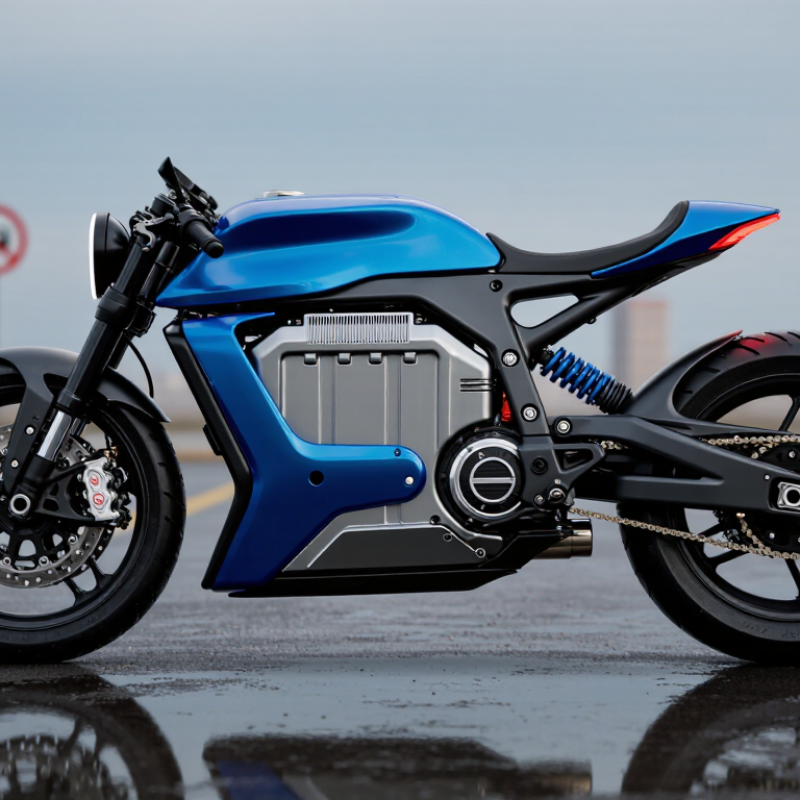
How to Choose a High Power Electric Motorcycle in 2026?
Define Your Power, Range, and Performance Requirements
High power means more than a large peak-output number. Compare continuous power, peak power, torque, and total weight. A heavy motorcycle may need stronger output for steep roads or two riders. The International Energy Agency reported more than 9 million electric two- and three-wheelers sold globally in 2023. That growth shows rising demand, but it does not define your needs. A 5 kW motorcycle may suit urban commuting. A larger model may require 15 kW or more for highways, hills, and frequent passengers. Check local licensing rules before comparing power figures.
Range requires practical testing. Use your daily distance, then add a safety margin of 20 to 30 percent. The European Environment Agency notes that temperature, speed, and load can reduce electric vehicle efficiency. Cold mornings matter. So does a 110-kilogram rider carrying luggage. Ask whether the published range uses a controlled test cycle or real road conditions. Battery capacity, measured in kWh, matters more than optimistic marketing claims. I would also inspect charging time, battery warranty, thermal management, and replacement cost. Many buyers overlook the final two points.
Tips: Ride the route before purchasing. Include its steepest hill, roughest surface, and fastest legal section. Record battery percentage after one complete trip. Compare continuous power, not peak power alone. Leave room for weather, ageing, and poor planning. Performance numbers can look impressive, yet daily comfort may still disappoint.
Choosing a high-power electric motorcycle in 2026 starts with usable performance, not advertising numbers.
Motor output should show continuous power and peak power separately. Peak numbers can mislead. A motorcycle may deliver 60 kW briefly, then reduce output when the motor or battery becomes hot. During testing, check acceleration after repeated climbs, not only one launch.
The International Energy Agency’s Global EV Outlook 2024 reports that electric two- and three-wheelers remain among the most electrified road vehicles worldwide. That trend makes thermal control increasingly important.
Battery capacity determines practical range, but usable capacity matters more than the displayed total.
A 15 kWh pack may provide less energy after reserve limits and charging losses. At 20 kWh per 100 kilometers, that pack could offer about 75 kilometers of realistic riding, before cold weather or high speeds. BloombergNEF’s 2024 Battery Price Survey reported an average lithium-ion pack price of 115 dollars per kWh. Motorcycle packs can cost more because production volumes are smaller.
I once overestimated range by trusting a laboratory figure. Real traffic corrected me quickly.
Charging systems deserve equal attention.
Compare AC charging power, DC fast-charging support, connector standards, and battery cooling. A 6 kW onboard charger adds roughly 6 kWh per hour under ideal conditions. Actual results may be slower. The IEA recorded more than 40% growth in public charging points during 2023, but access still varies sharply by region.
Measure twice. A powerful motorcycle with a modest charger may spend hours beside a wall socket. A larger battery is not automatically better if your daily route lacks reliable charging.
A high-power electric motorcycle should feel solid before it feels fast. Inspect the frame joints, steering head, and swingarm for clean welds and even finishing. Hold the front brake and gently push the motorcycle forward. Excessive flex or clicking deserves attention. A low center of gravity can improve balance, but a heavy battery may make slow turns awkward. Check the rider and battery weight limits carefully. Published figures can be optimistic.
Suspension should match your roads, not just your riding ambitions. On a test ride, cross a shallow bump and watch how quickly the fork settles. Repeated bouncing suggests poor damping or incorrect adjustment. Rear suspension must control acceleration without kicking the seat upward. Adjustable preload helps when carrying luggage, although many riders never set it correctly. That is an easy mistake.
Brakes need clear feedback, strong stopping power, and predictable control. Look for large discs, stable levers, and an effective anti-lock system where legally available. Test braking in a quiet, controlled area, never near traffic. Inspect tire condition and pressure before every ride. Protective clothing, gloves, ankle-covering boots, and a certified helmet reduce injury risk, but they cannot fix reckless speed. Keep both hands ready, leave extra distance, and avoid riding when tired. Safety checks feel repetitive. They still matter.
Start with the law, not the motor rating. Classification can depend on power, top speed, battery voltage, and local rules. Check licensing, registration, insurance, helmet standards, and road access before purchasing. A motorcycle legal on private land may be restricted on public roads. Requirements change between states and countries. Verify them with the transport authority, not only a seller’s specification sheet.
Then match the motorcycle to your riding environment. The IEA’s Global EV Outlook 2024 reported more than 10 million electric two- and three-wheelers sold globally in 2023. That growth increases model variety, but range claims remain difficult to compare. High speed, cold weather, hills, passenger weight, and strong wind reduce usable range. Test the route you actually ride. A short urban trip needs different performance from a steep rural commute. Check charging access, ground clearance, braking control, lighting, and tire grip. Small details matter.
Maintenance needs equal attention. Ask for battery warranty terms, service intervals, diagnostic support, replacement-part availability, and charging-system inspection. The U.S. National Highway Traffic Safety Administration emphasizes proper motorcycle tires, brakes, lighting, and protective equipment as core safety factors. A powerful motor cannot compensate for worn tires. I would also inspect battery enclosure seals and cable routing before buying. They are easy to overlook. Manufacturer range data can feel precise, yet real riding is messier. Keep a safety margin, and admit when the specification is not enough.
Buying a high-power electric motorcycle in 2026 requires more than comparing acceleration figures. Calculate the total cost over five years. Include electricity, insurance, tires, maintenance, charging equipment, financing, and possible battery replacement. The IEA’s Global EV Outlook 2024 identifies electric two- and three-wheelers as the largest electrified road-transport segment by sales. That growth improves parts availability, but it does not guarantee low ownership costs.
Battery warranty deserves careful reading. Check the coverage period, mileage limit, capacity-loss threshold, and approved repair process. A warranty promising eight years may exclude gradual capacity loss below a specific percentage. That detail matters. Ask whether labor, diagnostic testing, and transportation are included. The U.S. Department of Energy notes that extreme temperatures can affect battery performance and efficiency, so storage conditions should also influence your decision.
Use realistic numbers from your daily route, not optimistic range claims. If you ride 80 kilometers daily, calculate charging losses and electricity tariffs during peak hours. The BloombergNEF Battery Price Survey reported average lithium-ion pack prices of 115 dollars per kilowatt-hour in 2024, although motorcycle replacement costs can be considerably higher after labor and distribution. I would keep an emergency repair fund. That may feel excessive. It is not always excessive. A cheaper motorcycle can lose value quickly if software support, replacement parts, or battery service becomes uncertain. Review independent reliability data, read warranty exclusions, and request written service commitments before paying.
| Motor Power Class | Typical Battery Capacity | Estimated Purchase Price | Estimated Energy Cost | Battery Replacement Reserve | Warranty Items to Verify | Expected Service Life | Estimated 5-Year Ownership Cost | Long-Term Value Assessment |
|---|---|---|---|---|---|---|---|---|
| High-output commuter 5–10 kW continuous | 8–12 kWh Typical real-world range: 100–180 km | US$8,000–14,000 | Approximately US$0.80–1.50 per 100 km, assuming electricity at US$0.15–0.25/kWh | US$2,500–5,000 after approximately 6–10 years, depending on usage, temperature, and charging habits | Confirm coverage for the battery, motor, controller, onboard charger, and charging equipment. Battery capacity-retention limits should be stated in writing. | 8–12 years with regular maintenance and moderate daily use | US$12,000–21,000 | Strong value for daily commuting when the battery warranty covers capacity retention and replacement parts remain available. |
| Performance street 10–20 kW continuous | 12–20 kWh Typical real-world range: 130–240 km | US$14,000–24,000 | Approximately US$1.20–2.50 per 100 km, depending on speed, weather, and riding style | US$4,000–8,000 after approximately 6–10 years | Check whether the warranty covers high-load use, fast charging, thermal events, software faults, and labor. Verify the maximum mileage or operating-hour limit. | 8–12 years; drivetrain components may require inspection sooner under aggressive riding | US$20,000–34,000 | Balanced long-term choice if thermal management, service access, and battery diagnostics are well documented. |
| High-performance road 20–40 kW continuous | 18–30 kWh Typical real-world range: 160–280 km | US$24,000–40,000 | Approximately US$1.80–3.80 per 100 km, with higher consumption at sustained highway speeds | US$6,000–12,000 after approximately 5–9 years | Review exclusions for track use, repeated fast charging, crash damage, water ingress, and unauthorized software modifications. Confirm parts support for at least 7–10 years. | 7–10 years under demanding use; tires, brakes, suspension, and bearings may need more frequent replacement | US$32,000–54,000 | Best suited to riders who value acceleration and highway performance; depreciation and tire costs can materially reduce value. |
| Premium touring 30–60 kW continuous | 25–40 kWh Typical real-world range: 220–380 km | US$35,000–60,000 | Approximately US$2.50–5.00 per 100 km, especially at high speeds or with luggage | US$8,000–16,000 after approximately 5–9 years | Prioritize a transferable warranty, roadside assistance, battery cooling coverage, charger replacement terms, and a clearly defined repair-or-replacement process. | 7–10 years, subject to charging cycles, storage conditions, and service quality | US$46,000–77,000 | Provides the most capability but usually has the highest total cost; value depends heavily on resale support and battery-service availability. |
| Planning guide: estimated 5-year ownership cost includes purchase price, electricity, routine maintenance, insurance allowance, registration allowance, and a battery replacement reserve. It excludes financing interest, taxes, accident damage, accessories, and charging-station installation. | ||||||||
| 2026 evaluation checklist: compare usable battery capacity rather than nominal capacity; request a written battery capacity-retention threshold; confirm charging time at the intended power supply; check replacement-part availability; verify service-center coverage; and calculate total cost using your annual mileage, local electricity rate, insurance premium, and storage conditions. | ||||||||
Northeast Battery, a Stored Energy Holdings, Inc. Company