
Choosing an Electric Trike For Commuting begins with your daily route, not the brightest display or largest battery. A practical trike should match your streets, storage space, body comfort, and carrying needs. As e-bike industry educator Chris Nolte puts it, “The right electric bike should make everyday riding easier, not more complicated.” That principle matters when comparing three-wheel stability, motor assistance, and maintenance requirements.
Picture a typical morning commute. You leave a narrow apartment entrance, carry a laptop, cross uneven pavement, and stop beside a busy intersection. A compact frame, responsive hydraulic brakes, bright lights, and a low step-through design can make that trip calmer. Check the trike’s turning radius carefully. Some models feel stable at speed but awkward in tight corners. Measure your doorway and parking area too. A few centimeters can change everything.
Battery range deserves honest attention. Manufacturers often test under light loads and gentle conditions. Cold weather, hills, heavy cargo, and frequent stops reduce real-world distance. Choose a battery that covers your routine with a reasonable reserve. Do not assume the biggest battery is automatically best. It can add weight and make lifting difficult. I would also question impressive payload claims unless the frame, wheels, tires, and rear rack feel equally strong. A test ride remains essential. Ride uphill, brake gradually, reverse slowly, and inspect the display from a normal riding position. The perfect option may not exist. Reliable commuting usually comes from a balanced choice, clear warranty support, and realistic expectations.
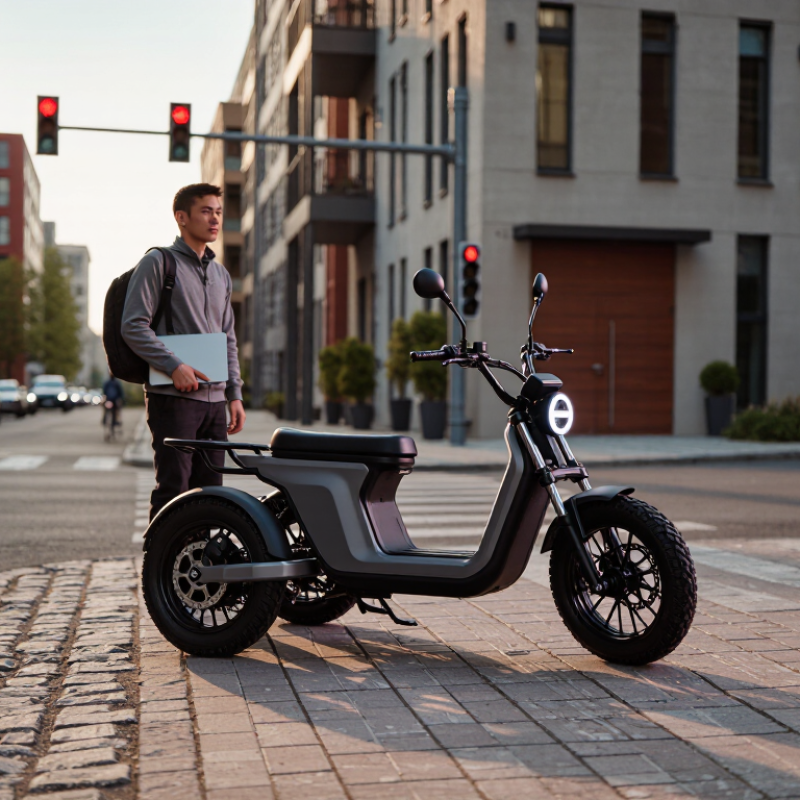
Choosing an electric trike for commuting starts with an honest picture of your daily route. Measure the distance, hill grades, road surfaces, and time spent in traffic. A two-mile flat ride needs different support than a twelve-mile route with steep climbs. Record your usual load, including groceries, work equipment, and clothing. Weight affects range, braking, and stability. Do not rely on advertised range alone. Rider weight, wind, temperature, tire pressure, and frequent stops can reduce it.
Inspect your riding environment during your normal travel hours. Morning glare, potholes, parked vehicles, and heavy rain can change your decisions. If the route includes narrow cycle lanes, check the trike’s width before buying. A wider model may feel stable but become awkward near barriers or crowded paths. Test the turning radius in a quiet area. It matters more than many buyers expect. Also assess storage, charging access, and whether you must carry the trike upstairs. A removable battery can help, but only if its weight is manageable.
Choose assistance levels that match your effort and local terrain, not someone else’s routine. Reliable brakes, visible lights, mirrors, and secure parking deserve equal attention. Take a controlled test ride with your normal load. Try starting uphill. Comfort matters too. An excellent specification sheet cannot fix a cramped seat or awkward controls. My first route estimate was too optimistic once rain and winter clothing entered the calculation. Build a practical range margin of around twenty to thirty percent for changing conditions. That margin is not a rule, but it can prevent rushed charging decisions.
Choosing an electric trike starts with a budget that includes more than the purchase price. Set aside money for a helmet, lights, a lock, and weather protection. These small items can add up quickly. A practical first step is listing your weekly travel distance and desired carrying capacity. A heavier trike may cost more, but it can reduce delivery trips and daily inconvenience.
Charging costs are usually modest, but they still deserve a realistic estimate. Check the battery’s watt-hour rating, then multiply it by your local electricity rate. Add a small allowance for charging losses. For example, a 600-watt-hour battery may use slightly more than 0.6 kilowatt-hours from the outlet. Charging after every commute is unnecessary if the battery remains healthy. Avoid planning around the maximum advertised range. Cold weather, hills, cargo, and frequent stops can reduce it noticeably.
Maintenance needs its own monthly allowance. Budget for tire pressure checks, brake adjustments, chain lubrication, and occasional cable replacement. Battery aging is harder to predict, so save separately for a future replacement. I once focused only on the monthly payment and forgot the cost of secure storage. That mistake changed my budget. The estimate is never perfect, but reviewing real energy use and repair receipts after three months makes it more reliable.
| Budget Dimension | Typical Planning Range | What the Cost Covers | Practical Assumption for Commuters |
|---|---|---|---|
| Electric trike purchase | $1,500–$4,000 | Adult electric trike with a rechargeable battery, basic cargo capacity, safety lighting, and pedal assistance. | Set a target price based on required range, payload capacity, braking system, warranty, and local service availability. |
| Safety and commuting accessories | $150–$450 | Helmet, front and rear lights, reflective equipment, lock, weather cover, mirror, rack, or panniers. | A daily commuter should budget for visibility, secure parking, and carrying work or grocery items. |
| Delivery or setup costs | $75–$250 | Assembly, delivery, initial brake adjustment, tire-pressure check, and basic fitting. | Allow more if the trike is shipped in a large package or requires professional assembly. |
| Electricity per full charge | $0.08–$0.20 | Household electricity used to recharge a typical 0.5–0.8 kWh battery, allowing for normal charging losses. | Example calculation: 0.6 kWh × $0.16 per kWh, adjusted upward for charging losses. |
| Monthly charging cost | $2–$8 | Approximately 12–25 full charging cycles per month. | Actual cost depends on battery size, riding distance, terrain, rider weight, assistance level, and local electricity rates. |
| Routine maintenance per year | $150–$400 | Tire-pressure checks, brake and gear adjustments, chain or belt service, lubrication, and replacement of wear items. | Wet weather, steep routes, heavy loads, and high mileage generally increase maintenance needs. |
| Battery replacement reserve | $100–$300 per year | Annual savings reserve for a future replacement battery or battery-related service. | Battery life varies with chemistry, storage temperature, charging habits, usage, and cycle count; a multi-year service life is common when properly maintained. |
| Repair contingency | $100–$300 per year | Unexpected repairs such as punctures, damaged cables, electrical diagnosis, or replacement controls. | Keep a separate reserve, especially when the trike is essential for commuting. |
| Estimated first-year operating budget | $350–$1,100 | Charging, routine maintenance, battery reserve, and repair contingency during the first year. | This excludes the purchase price, accessories, financing charges, insurance, parking, and local taxes. |
| Estimated first-year total budget | $2,075–$5,800 | Electric trike, essential accessories, setup, and the estimated first-year operating budget. | Use the upper end when you need longer range, higher payload capacity, premium safety equipment, or professional servicing. |
| Planning note: Before purchasing, compare the trike's real-world range, maximum payload, turning width, storage footprint, charging time, warranty terms, and availability of replacement parts with your daily route and storage conditions. | |||
How to Choose an Electric Trike for Commuting?
Motor power affects how confidently an electric trike handles hills, traffic starts, and extra cargo. A moderate motor suits flat urban routes and usually feels easier to control. Steeper roads may require more torque, not simply a higher advertised wattage. Test the trike on a slope before buying, if possible. A quiet, steady start matters more than sudden acceleration.
Battery range depends on rider weight, wind, temperature, tire pressure, and how often the motor assists. Treat the advertised distance as an ideal estimate. For commuting, measure your daily route and choose extra capacity for detours and aging cells. A 20-mile trip may need a battery rated for 30 miles. Range can shrink noticeably in winter.
Charging requirements deserve equal attention. Confirm the battery can be removed easily if your parking area lacks an outlet. Check charging time, charger weight, and whether a full charge fits your overnight schedule. Charge on a dry, ventilated surface and follow the supplied instructions. Do not leave a damaged battery unattended while charging. I would also inspect the connector after rainy rides, although this habit is easy to forget. More power is not always better; a heavier battery can make storage and lifting frustrating. Test the complete setup, including bags, locks, and a helmet, before committing.
Compare representative motor power, estimated battery range, and full charging time across three common commuter configurations. Higher motor power can improve hill climbing, while larger batteries usually extend range but require longer charging.
The figures are typical mid-range values for adult electric trikes. Actual range depends on rider weight, terrain, weather, speed, tire pressure, and assist level.
Choosing an electric trike for commuting starts with how your body feels after thirty minutes, not during a showroom test. An adjustable seat, upright handlebars, and wide pedals reduce pressure on your knees and wrists. Look for steady steering and a low step-through frame. Small details matter. On uneven pavement, reliable hydraulic or mechanical disc brakes can provide controlled stopping, especially with a loaded rear basket. Front and rear lights, reflectors, a horn, and visible brake lights improve awareness in traffic. Test the parking brake on a slope.
Storage should match your actual commute. A lockable compartment may protect electronics, while a deep basket can carry groceries without blocking the rider’s view. Check the weight limit carefully. Rain protection deserves equal attention. Full-length fenders help keep water off your clothes, but they cannot replace waterproof outerwear. A canopy or windshield can reduce wind and drizzle; however, it may catch gusts and affect steering. I once underestimated that trade-off. After a windy ride, I would choose stable handling over a larger cover.
Before buying, measure your doorway, storage area, and usual parking space. Confirm the battery range under realistic conditions, including hills, cold temperatures, and cargo. Advertised range is rarely your daily range. Take a slow test ride over a familiar route. Listen for rattles, check mirror position, and practice turning around parked cars. If anything feels awkward, pause. A qualified technician can also check brake adjustment, tire pressure, and battery fit before regular commuting begins.
Choosing an electric trike for commuting starts with an honest size check. Measure your doorway, storage area, and the narrowest part of your route. A trike that fits a shop aisle may feel awkward beside parked cars. Check overall width, wheelbase, turning radius, and seat height. Leave room for winter clothing and a rear basket.
I once underestimated handlebar width. It made indoor storage frustrating.
Legal requirements vary by location, so verify them before paying. Check permitted motor power, maximum assisted speed, lighting, reflectors, braking equipment, and whether registration or insurance applies. Local transport authorities usually provide the clearest information. Do not rely only on a sales description. Rules can change. Ask for written specifications that match the exact model and battery system.
Warranty terms deserve careful reading. Confirm coverage periods for the frame, motor, battery, charger, and electronic controls. Ask what labor and shipping costs remain yours. After-sales support matters during a rainy Monday, not just at purchase. Check spare-parts availability, repair locations, response times, and battery testing procedures. Get these details by email when possible.
Tips: Test the trike fully loaded. Practice tight turns. Check the parking brake. Read the return policy. Ask one awkward question: “What commonly fails?”
Northeast Battery, a Stored Energy Holdings, Inc. Company