How to Choose the Right EV Charger Plug at 2026 Canton Fair?
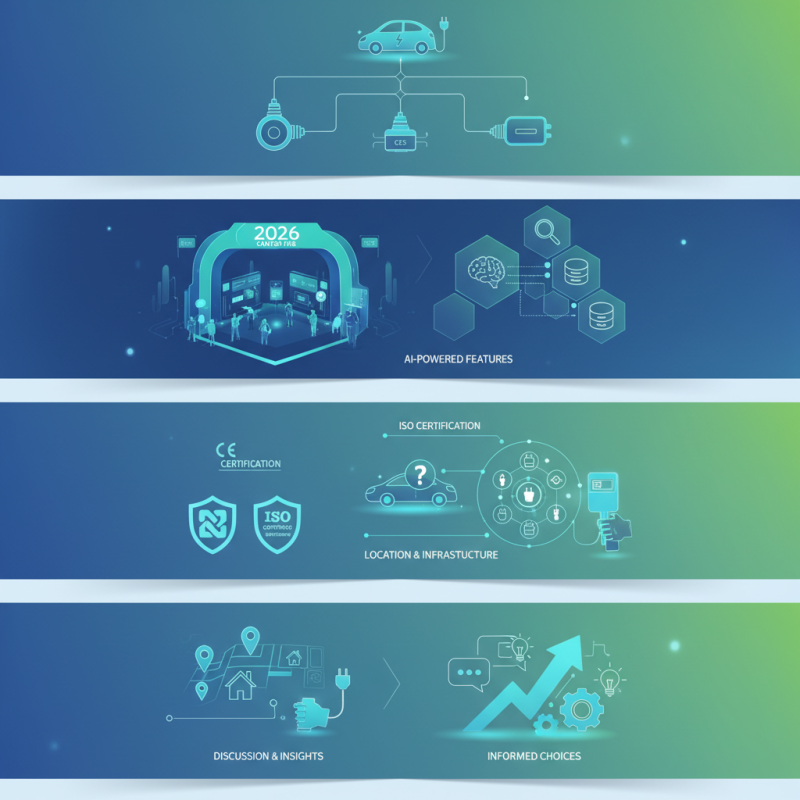
As the demand for electric vehicles (EVs) rises, selecting the right EV Charger Plug becomes essential. The 2026 Canton Fair presents an opportunity for industry professionals to explore various charging solutions. With advancements in technology, attendees will benefit from AI-powered features, streamlining their search for vendors and products.
Understanding the specific requirements of your EV is crucial. Each EV model may necessitate different charging standards. Attending this fair could be a first step in identifying compatible charging options. Furthermore, quality standards such as ISO and CE certifications will also play a vital role in decision-making. The fair will allow for thorough evaluation of suppliers, ensuring that the chosen products meet high standards.
While the array of options can be overwhelming, careful consideration of features and specifications is necessary. Prospective buyers should reflect on their location and charging infrastructure as well. Think about the convenience and accessibility of the chosen charger plug. Engaging in discussions at the fair may uncover aspects that require deeper thought, driving informed choices for the future of EV charging.
Understanding Different Types of EV Charger Plugs Available at the Fair
When attending the 2026 Canton Fair, understanding the types of EV charger plugs is essential. There are several plug categories, each with specific features. One common type is the Type 1 plug, mainly used in North America and Japan. Its design allows users to connect easily, but it may not be compatible with all electric vehicles.
Alternatively, the Type 2 plug is widely adopted in Europe. This plug offers a robust connection and faster charging capabilities. However, its widespread use doesn't guarantee suitability for every EV model. Additionally, CCS (Combined Charging System) plugs are designed for rapid charging. They combine AC and DC capabilities, but you must check vehicle compatibility first.
Evaluating your needs before choosing a charger plug is critical. Factors include charging speed, vehicle type, and availability of charging stations. Some plugs may seem convenient but have limitations. For example, the universal appeal of certain types might not account for the specific requirements of your electric vehicle. This can lead to confusion during the selection process, so ensure you ask detailed questions.
Factors to Consider When Choosing an EV Charger Plug
When selecting an EV charger plug at the 2026 Canton Fair, several factors must be taken into account. Charging speed is a critical element. The average charging time can vary significantly based on plug type. For example, Level 2 chargers can deliver up to 240 volts and reduce charging time by nearly half compared to standard plugs. This is essential for maximizing efficiency.
Compatibility is also vital. Not all electric vehicles use the same plugs. According to a recent industry report, around 75% of EVs worldwide use Type 2 connectors. Ensure that the plug you choose aligns with the vehicles in your target market. There’s no one-size-fits-all solution; an incorrect choice can lead to frustrated customers.
**Tips:**
Check the power output ratings for different charger plugs. High power ratings mean faster charging. Evaluate the installation requirements as well. Some plugs require specific hardware, which can increase costs.
Another factor is safety standards. Battery management systems and overcurrent protection features enhance user safety. The right plug should also adhere to local regulations. An oversight here could lead to legal complications.
**Tips:**
Stay updated on local regulations. These can change frequently. A proactive approach saves future headaches. Understanding your market's needs will ultimately guide your best choice.
Comparing Charging Speeds: Level 1 vs. Level 2 vs. DC Fast Chargers
When choosing an EV charger at the 2026 Canton Fair, understanding charging speeds is crucial. Level 1 chargers work with standard wall outlets. They typically provide around 4-5 miles of range per hour. While they are convenient for overnight charging, they are slow for daily use.
Level 2 chargers offer a significant upgrade. They can deliver 10-60 miles of range per hour, depending on the vehicle and charger. Many public charging stations utilize Level 2 technology. According to a 2023 industry report, over 80% of EV owners prefer Level 2 chargers for home installation. Faster charging times lead to a better overall experience for users.
DC Fast Chargers are the quickest option available. They can provide up to 500 miles of range in just 30 minutes. However, this technology can be costly. Not all vehicles support DC Fast Charging, which can create confusion. Users need to be aware of compatibility issues. A 2022 study indicated that only 30% of EVs could utilize this type of charger effectively. Making the right choice requires careful consideration of these factors.
Evaluating Compatibility with Various Electric Vehicle Models
Choosing the right EV charger plug is essential. Not all plugs work with every electric vehicle model. At the 2026 Canton Fair, visitors can explore various options. Compatibility is crucial for seamless charging.
When evaluating charger plugs, focus on the vehicle types. Some models use specific plugs, while others might have adapters. Research the common standards. Not all manufacturers follow the same protocols. This can lead to confusion. Buyers should be mindful of these differences. Verify the plug specifications before making a decision.
It's also vital to think about future needs. The EV market is evolving quickly. New models are released regularly. Charging technology may also change. Consider potential upgrades or changes in vehicle ownership. A one-size-fits-all approach may not work here. Reflect on your choices carefully. Being informed helps avoid future issues.
How to Choose the Right EV Charger Plug at 2026 Canton Fair? - Evaluating Compatibility with Various Electric Vehicle Models
| EV Model | Charger Type | Plug Standard | Charging Speed (kW) | Estimated Range (miles) |
| Model A | Level 2 Charger | Type 2 | 7.2 | 200 |
| Model B | DC Fast Charger | CCS | 150 | 300 |
| Model C | Level 1 Charger | NEMA 5-15 | 1.8 | 100 |
| Model D | Level 2 Charger | Type 2 | 11 | 250 |
| Model E | DC Fast Charger | ChaDeMo | 100 | 220 |
Navigating Certification and Safety Standards for EV Chargers
When choosing an EV charger plug, understanding certification and safety standards is crucial. These elements determine the reliability and safety of your charger. Look for products that comply with established regulations. Compliance ensures that chargers meet safety benchmarks, which is vital for user protection.
Checking certifications is essential. Various organizations provide these seals, indicating that the charger has undergone rigorous testing. Familiarize yourself with standards in your region. Some chargers might seem appealing but lack proper certifications, leading to potential risks.
Tips: Always verify the charger’s safety markings. This step is critical for long-term use. Consider the installation environment too. A well-ventilated space is ideal for chargers. Also, it’s worth reflecting on how different plugs might impact performance. Sometimes, compatibility issues arise unexpectedly. A little research can make a significant difference in your charging experience.