What is a Deep Cycle Battery and How Does It Work?
A battery deep cycle is essential for many applications. It provides steady power over prolonged periods. Unlike regular batteries, deep cycle ones can discharge deeply without damage. This characteristic makes them ideal for renewable energy systems and electric vehicles.
The design of a battery deep cycle allows it to withstand repeated charge and discharge cycles. Understanding its function can help users optimize their use. These batteries store energy efficiently and release it slowly. Users often find this feature beneficial for applications like boating and RVs.
However, choosing the right battery deep cycle requires careful consideration. Quality varies widely among brands. Some users may overlook critical factors such as capacity and lifespan. The wrong choice can lead to issues, including reduced performance and unexpected costs.
What is a Deep Cycle Battery?
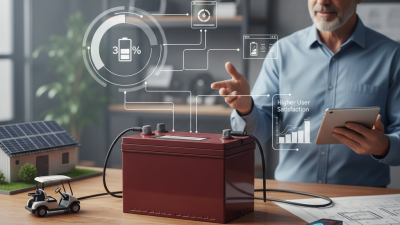
A deep cycle battery is designed to provide sustained power over extended periods. Unlike regular batteries, they can be discharged and recharged many times without significant damage. These batteries are commonly used in applications like solar power systems and electric vehicles. They are built to deliver a stable voltage, making them ideal for these uses.
The key feature of a deep cycle battery is its construction. It typically has thick plates made of lead to handle deep discharges. This design allows them to maintain performance even when the charge is low. However, they require proper maintenance. Users often overlook the importance of keeping them charged to avoid sulfation, which can lead to reduced capacity. Watching out for this can prevent costly replacements.
Understanding the specifics can help users make informed choices. They should consider factors like depth of discharge and charging cycles. It’s important to know that while deep cycle batteries are durable, they aren’t flawless. Users may face challenges with efficiency over time. A well-maintained deep cycle battery can last a significant number of cycles, but neglect can drastically shorten its lifespan.
Key Features of Deep Cycle Batteries
Deep cycle batteries are designed for sustained energy use. Their key feature is the ability to discharge deeply and recharge efficiently.
Unlike regular batteries, which provide short bursts of power, deep cycle batteries can be drained to a significant extent without damage.
This characteristic makes them ideal for renewable energy systems and electric vehicles.
One notable aspect is their construction. They typically use thicker plates than conventional batteries. This design allows for more cycles of use.
Additionally, they often utilize lead-acid technology, which can come in flooded or sealed forms. Flooded options require maintenance, while sealed variants offer convenience and safety.
However, users must consider charging practices. Overcharging can shorten battery life. Regular monitoring is essential to ensure optimal performance.
Understanding the battery's unique requirements is crucial for longevity. Balancing usage and recharge cycles can be challenging but rewarding.
Deep cycle batteries provide reliable energy storage when managed correctly.
How Deep Cycle Batteries Work
Deep cycle batteries are designed for repeated discharge and recharge cycles. They are commonly found in applications that require sustained power over an extended period. Unlike standard car batteries, deep cycle batteries provide a steady amount of power over many hours, making them ideal for renewable energy systems, electric vehicles, and marine applications.
The chemistry behind deep cycle batteries typically involves lead-acid technology. This allows them to be deeply discharged without significant damage. The battery is composed of lead plates submerged in a liquid electrolyte. When energy is drawn from the battery, a chemical reaction occurs, converting stored chemical energy into electrical energy. The reverse reaction happens during charging, restoring the stored energy. This cycle can be repeated multiple times, but eventually, the battery's capacity will diminish.
Understanding how these batteries work requires acknowledging their limitations. Over-discharging can shorten their lifespan. Additionally, they might not deliver quick bursts of power, which can be a drawback in certain scenarios. Regular maintenance, like checking electrolyte levels, can improve reliability but is often overlooked. Therefore, users need to reflect on their specific energy needs before selecting a battery type. Proper usage enhances both performance and longevity.
What is a Deep Cycle Battery and How Does It Work?
| Battery Type |
Voltage (V) |
Capacity (Ah) |
Cycle Life (Cycles) |
Typical Use |
| Flooded Lead Acid |
12 |
100 |
500-800 |
RV/Marine |
| AGM (Absorbent Glass Mat) |
12 |
100 |
700-1000 |
Solar Energy Storage |
| Gel Cell |
12 |
100 |
500-1000 |
Electric Wheelchairs |
| Lithium-ion |
12 |
100 |
2000-5000 |
Electric Vehicles |
Different Types of Deep Cycle Batteries
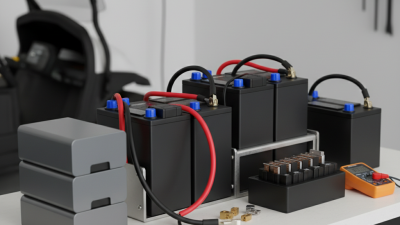
When exploring deep cycle batteries, it's essential to understand the types available. There are primarily three categories: lead-acid, lithium-ion, and absorbed glass mat (AGM). Lead-acid batteries are cost-effective and widely used in various applications. They typically have a lifespan of 500-800 cycles but are heavier and can require regular maintenance.
Lithium-ion batteries have gained popularity due to their lightweight design and longer life span, often exceeding 2000 cycles. They perform better in deep discharge applications and charge faster than their lead-acid counterparts. However, they come at a higher price point. AGM batteries, on the other hand, offer a sealed design, making them maintenance-free and spill-proof. They sit between lead-acid and lithium-ion in terms of lifespan, usually lasting around 1000 cycles.
Many users overlook the necessity of choosing the right battery for specific applications. Each type serves distinct purposes, and mischaracterizing them can lead to inefficiencies. Regularly monitoring the battery's condition and maintaining optimal charge levels can extend lifespan.
Proper selection is critical. Consider the weight, capacity, and cycle life relevant to your project. The US Department of Energy notes that matching these factors to your needs can enhance performance significantly.
Applications and Benefits of Deep Cycle Batteries
Deep cycle batteries are essential for various applications, notably in renewable energy systems, electric vehicles, and marine settings. Unlike traditional batteries, they can discharge and recharge multiple times without losing capacity. According to a 2023 industry report, deep cycle batteries can offer up to 800 cycles at a 50% discharge, making them a reliable choice for long-term energy storage.
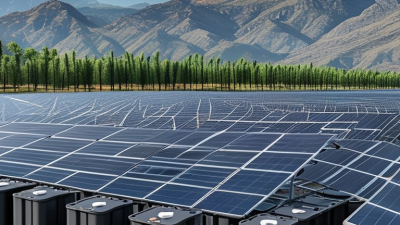
In renewable energy systems, these batteries store excess energy generated by solar panels or wind turbines. This stored energy can later power homes or businesses during peak demand or periods of low generation. Additionally, in marine applications, deep cycle batteries provide reliable power for electric motors and onboard electronics, ensuring that leisure and fishing activities proceed smoothly.
When selecting a deep cycle battery, consider the intended use. The environment, such as temperature and humidity, impacts performance. High-quality deep cycle batteries typically last longer and withstand more cycles. Regular maintenance can prevent issues and extend battery life. Choose a system that meets your needs without overspending on features you may not use. Balancing cost with performance is crucial for optimal energy management.