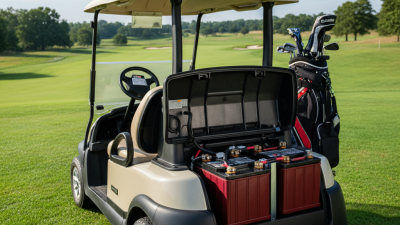
Essential Tips for Choosing the Right Batteries for Your Golf Cart
Choosing the right batteries for golf cart is crucial for ensuring optimal performance and longevity. Golf carts have become an essential mode of transport on golf courses, resorts, and even residential areas, making the decision of which batteries to use a vital consideration for owners. The right battery can significantly enhance the efficiency, range, and overall enjoyment of your golfing experience.
When selecting batteries for golf cart, it’s important to consider factors such as battery type, capacity, and maintenance needs. With various options available in the market, including lead-acid and lithium batteries, each choice comes with its own set of advantages and drawbacks. Understanding these differences will help you make an informed decision that suits your specific requirements and budget.
Additionally, the right batteries for golf cart not only improve performance but also impact safety and reliability. By investing time in researching suitable battery options and understanding their specs, you will ensure that your golf cart operates at its best while providing a safe and enjoyable ride on and off the course.
Understanding the Different Types of Batteries for Golf Carts
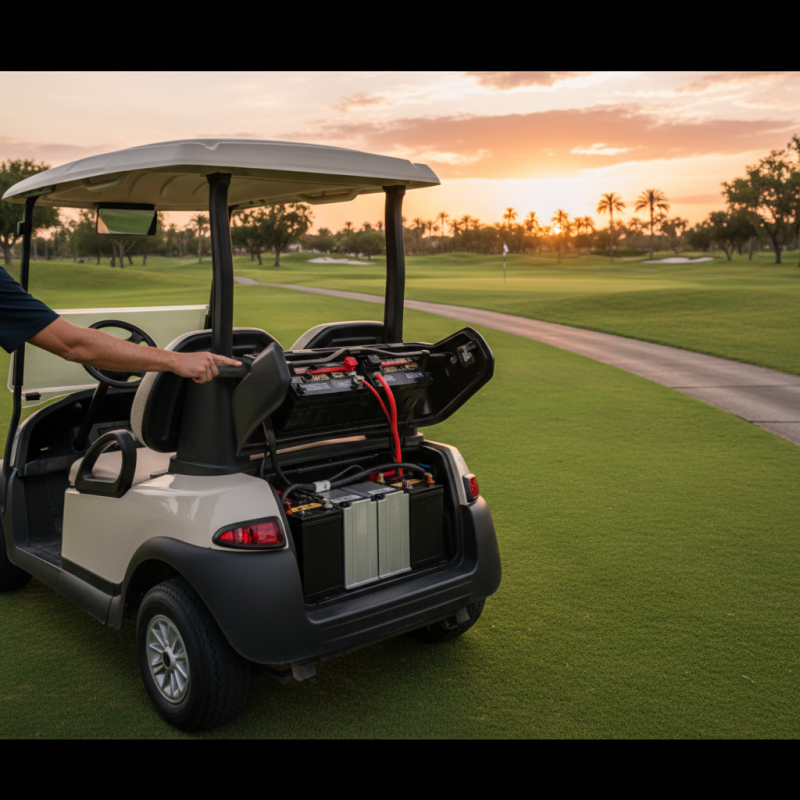
When it comes to powering your golf cart, understanding the different types of batteries available is crucial for ensuring optimal performance and longevity. Golf carts typically use either lead-acid or lithium-ion batteries, each with distinct advantages and disadvantages. Lead-acid batteries are the traditional choice, known for their affordability and reliability. They come in two main types: flooded lead-acid, which require regular maintenance and water refills, and sealed lead-acid, which are maintenance-free and more convenient for casual users.
On the other hand, lithium-ion batteries are gaining popularity due to their lighter weight and longer lifespan. These batteries offer a higher energy density, which means they can store more energy in a smaller size, providing greater efficiency for the golf cart. Additionally, lithium-ion batteries boast faster charging times and a reduction in the frequency of replacements, making them a cost-effective option in the long run despite the initial investment being higher. Understanding these fundamental differences will aid users in making an informed choice tailored to their golf cart usage and preferences, ultimately enhancing their experience on the course.
Essential Tips for Choosing the Right Batteries for Your Golf Cart - Understanding the Different Types of Batteries for Golf Carts
| Battery Type |
Capacity (Ah) |
Voltage (V) |
Weight (lbs) |
Lifespan (Years) |
Suitability |
| Lead Acid (Flooded) |
100 |
6 |
65 |
3-5 |
Cost-effective, good for casual use |
| AGM (Absorbent Glass Mat) |
110 |
6 |
70 |
5-7 |
Maintenance-free, spill-proof, better performance |
| Gel Cell |
100 |
6 |
75 |
4-6 |
Deep cycling, resistant to vibration |
| Lithium Iron Phosphate (LiFePO4) |
100 |
12 |
30 |
10-15 |
Lightweight, long lifespan, fast charging |
Factors to Consider When Selecting Batteries for Your Golf Cart
When it comes to selecting the right batteries for your golf cart, several factors play a crucial role in ensuring optimal performance and longevity. One key consideration is the type of battery chemistry, with lead-acid and lithium-ion being the most popular choices. According to industry reports, lead-acid batteries generally have a lower upfront cost but may require more maintenance and have a shorter life span of around 3-5 years. In contrast, lithium-ion batteries, though more expensive, can last up to 10 years and offer faster charging times and lighter weight, significantly enhancing the efficiency of your golf cart.
Another important factor to consider is the battery capacity, which is measured in amp-hours (Ah). Batteries with higher amp-hour ratings can store more energy, allowing for longer run times between charges. A report from the Golf Cart Battery Research Group indicates that choosing batteries with at least 100 Ah can provide a balance of power and performance for most users. It's also essential to evaluate the voltage of the batteries, as this will impact the overall power output and compatibility with your golf cart.
Tips: Always assess your specific golfing needs, such as terrain and distance, before making a decision. Additionally, ensure that the chosen batteries can handle the weight of your cart and any additional gear you plan to carry. Lastly, consider opting for deep-cycle batteries designed for repeated discharge and recharge cycles, as they are specifically built to withstand the demands of golf cart use. Proper maintenance, such as checking water levels and cleaning terminals regularly, can also extend the life of your batteries.
Evaluating Battery Capacity and Performance for Optimal Use
When selecting batteries for your golf cart, evaluating battery capacity and performance is crucial for achieving optimal use. Battery capacity refers to the amount of energy a battery can store, typically measured in amp-hours (Ah). This figure is pivotal, as it directly influences how far your golf cart can travel on a single charge. For instance, a battery with a higher Ah rating will usually provide a longer range, allowing users to complete multiple rounds of golf or travel longer distances without needing to recharge. It’s advisable to assess your typical usage patterns and choose a battery that meets your specific needs.
Performance also plays a key role in the suitability of golf cart batteries. Factors such as discharge rates and cycle life should be considered. Discharge rates indicate how quickly the battery can deliver energy, which impacts acceleration and overall cart performance. In contrast, cycle life refers to how many complete charge and discharge cycles the battery can endure before its capacity significantly diminishes. Opting for batteries that offer a good balance between high discharge rates and a longer cycle life will ensure that your golf cart performs reliably and maintains efficiency over time. By carefully evaluating these parameters, you can select a battery that will enhance your golfing experience.
Maintenance Tips for Prolonging the Life of Your Golf Cart Batteries
When it comes to extending the life of your golf cart batteries, proper maintenance plays a crucial role. According to the Battery Council International, regular care can enhance battery life by up to 30%. One effective approach is routine checks on the water level in flooded lead-acid batteries. It's recommended to check the water level every month; maintaining it between the lead plates prevents sulfation, a common issue that can drastically reduce battery performance. Additionally, cleaning the terminals and connections helps minimize corrosion, leading to improved conductivity and efficiency.
Another vital maintenance tip involves charging practices. Research indicates that deep-cycle batteries should ideally be charged after each use to prevent excessive discharging, which can shorten their lifespan. It's also essential to avoid overcharging, as this can lead to overheating and damage. Using a quality charger that has a built-in temperature compensation feature can help mitigate this risk. Furthermore, storing batteries in a cool and dry environment when not in use can significantly impact their longevity. Data from the Electric Power Research Institute suggests that batteries stored in optimal conditions can see life spans extended by an additional 20%. By following these maintenance tips, golf cart owners can ensure their batteries remain efficient and long-lasting.
Cost-Effective Strategies for Purchasing Golf Cart Batteries
When it comes to purchasing golf cart batteries, being cost-effective is crucial for any owner looking to maximize their investment. One of the best strategies to save money is to compare the prices of batteries across multiple suppliers. Look for local dealers, online retailers, and even classified ads for second-hand options. Sometimes, you can find perfectly good batteries at a fraction of the original cost. Also, consider purchasing in bulk if you own multiple carts, as many suppliers offer discounts for larger orders.
Another essential tip is to focus on the long-term value rather than just the initial price. Cheaper batteries may save you money upfront, but if they have a shorter lifespan or require more frequent replacements, you could end up spending more in the long run. Research battery specifications, such as amp-hour ratings and warranty periods, to ensure that the battery you choose provides both reliability and longevity.
Lastly, get familiar with the different types of batteries available for golf carts, such as lead-acid and lithium-ion. While lithium batteries often come with a higher upfront cost, their longevity and reduced maintenance can lead to significant savings over time. Balancing initial investment with future costs will help you make a more informed decision and ensure that your golf cart remains operational without breaking the bank.