Top Marine Battery Options for Reliable Power on Your Next Adventure
As outdoor enthusiasts embark on marine adventures, the importance of reliable energy sources cannot be overstated. A robust marine battery is essential for powering equipment, navigation systems, and other electronics while out on the water. According to Dr. Emily Carter, a leading expert in marine energy solutions, "Selecting the right marine battery can make all the difference between a smooth journey and unnecessary interruptions." This statement underscores the critical role that an efficient battery plays in enhancing the overall boating experience.
In an environment where reliability and performance are paramount, understanding the top marine battery options available on the market can significantly impact your adventures. Whether it’s a day trip or an extended voyage, having a dependable power source enables adventurers to focus on exploration rather than equipment issues. This exploration highlights various marine battery technologies, their unique features, and selection criteria, ensuring that every vessel is equipped for the challenge ahead.
Ultimately, making an informed choice about marine batteries not only boosts performance but also gives peace of mind. With advancements in battery technology, today's options provide the reliability needed to power our aquatic escapades, ensuring that enthusiasts can venture into the waves with confidence.
Understanding Marine Batteries: Types and Their Applications
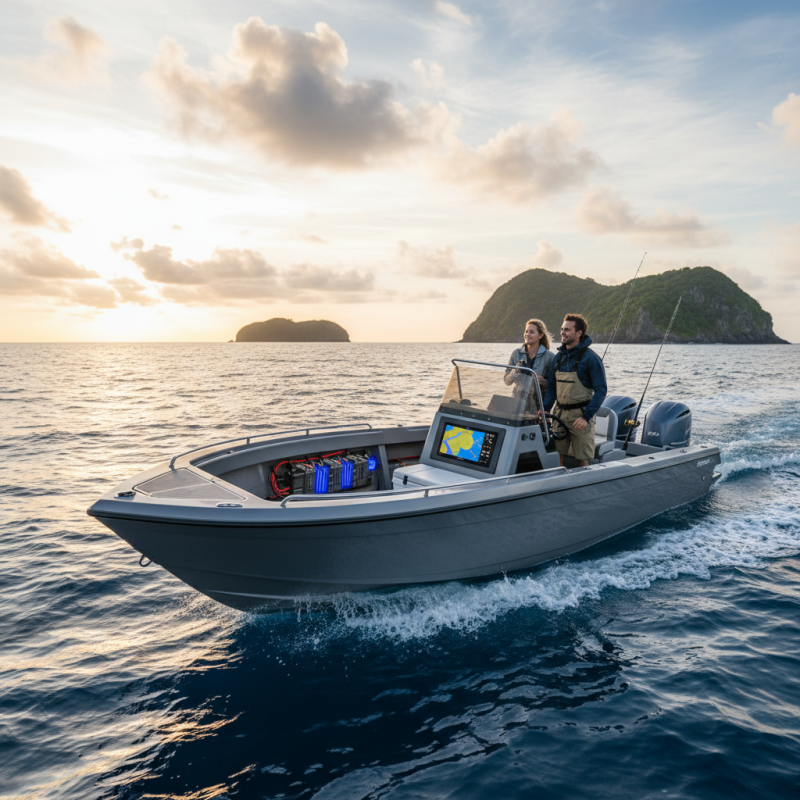
When it comes to marine batteries, understanding the different types available and their specific applications is crucial for ensuring reliable power on your next adventure at sea. The three primary types of marine batteries are starter batteries, deep cycle batteries, and dual-purpose batteries. Starter batteries provide the burst of power necessary to start the engine, while deep cycle batteries are designed for sustained energy output, making them ideal for powering devices like lights, pumps, and electronics. Dual-purpose batteries offer a combination of both functions, providing versatility for various marine scenarios.
Tips: When selecting a marine battery, consider your specific power needs and usage patterns. If you frequently use electrical devices while anchored, a deep cycle battery could be the best choice for you. Additionally, always check the battery's specification for its amp-hour rating, which indicates how long it can power your equipment. Proper maintenance is also essential: regularly check for corrosion and ensure the battery terminals are clean to maintain optimal performance.
In addition to the type of battery, the environment plays a significant role in battery performance. Cold temperatures can reduce battery capacity, so it’s wise to invest in insulation or heating blankets for batteries used in colder climates. Always secure batteries properly during travel to prevent movement and potential damage, which can lead to decreased lifespan or safety hazards.
Key Features to Look for in a Reliable Marine Battery
When selecting a marine battery for your next adventure, there are several key features to consider that ensure reliable power. First and foremost, look for batteries with a high cycle life. According to a study by the Battery University, deep cycle batteries can withstand hundreds of charge and discharge cycles, making them ideal for prolonged use on the water. A battery with a cycle life of over 500 cycles at 50% depth of discharge is generally recommended for marine applications, allowing you to enjoy extended trips without compromising power.
Another crucial aspect is the battery's amp-hour (Ah) rating, which determines the amount of energy stored in the battery. Marine batteries typically come with a range of Ah ratings, and choosing one with a higher capacity, such as 120Ah or more, can provide the necessary power for various onboard electronics, such as navigation systems and lights. Additionally, the weight-to-power ratio is important; lighter batteries offer easier handling without sacrificing performance. According to industry reports, lithium-ion batteries are becoming increasingly popular due to their lightweight nature and superior efficiency, boasting up to 90% discharge efficiency compared to traditional lead-acid batteries.
Finally, consider the durability and construction of the battery. Marine environments can be harsh, with exposure to water, vibrations, and temperature fluctuations. Batteries designed with sealed or ruggedized enclosures are better equipped to withstand these conditions. A report from the National Marine Manufacturers Association emphasizes that the longevity of a marine battery can be significantly enhanced by selecting products with high-quality components, which ensures they remain operational in challenging conditions, making your adventures smoother and more enjoyable.
Top Marine Battery Options for Reliable Power on Your Next Adventure
This chart displays the average cycle life of various marine battery types. Lithium-ion batteries offer the longest cycle life, making them a popular choice for reliability during marine adventures. AGM batteries follow with a solid lifespan, while traditional lead acid options provide the least longevity.
Top Marine Battery Brands for Adventure Enthusiasts
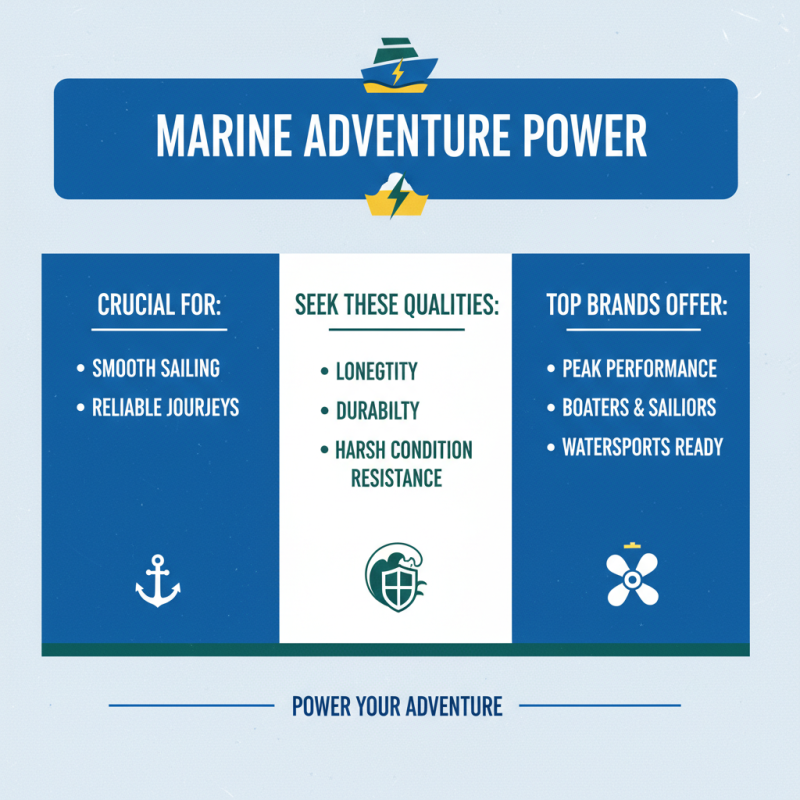
When it comes to marine adventures, having a reliable power source is crucial for ensuring a smooth experience on the water. Adventure enthusiasts often look for marine batteries that not only provide longevity but also withstand the harsh conditions of marine environments. Top brands in the marine battery industry are known for their durability and performance, catering specifically to the needs of boaters, sailors, and recreational water sports lovers.
Reputable brands focus on features that matter most to adventurers, such as deep cycle capabilities, quick recharge times, and resistance to corrosion and vibration. High-quality batteries from established manufacturers often come equipped with advanced technology that enhances energy efficiency and boosts performance. These brands have earned their reputation by consistently delivering reliable products that can power everything from trolling motors to onboard electronics, ensuring that adventurers can set sail with confidence, knowing their power source can handle the demands of their journey.
Comparative Analysis of Lithium vs. Lead-Acid Marine Batteries
When it comes to marine batteries, two of the most popular choices are lithium and lead-acid batteries. Each type offers distinct advantages and disadvantages, making them suitable for different kinds of marine adventures. Lithium batteries are known for their lightweight, compact design and longer lifespan, often lasting up to 10 times longer than traditional lead-acid options. They typically provide a higher discharge rate, which means more reliable power for demanding applications. According to a recent industry report, lithium batteries have a cycle life of about 2000-5000 cycles, while lead-acid batteries average just 500-1000 cycles, emphasizing the long-term value that lithium options can offer.
On the other hand, lead-acid batteries are often more affordable upfront, making them an attractive choice for budget-conscious marine enthusiasts. They can also handle the rigors of cold temperatures better than lithium batteries, ensuring reliability in various weather conditions. However, they tend to be heavier and require more maintenance, which could be a drawback for those seeking a hassle-free experience on the water. As per the U.S. Department of Energy, when choosing between the two, consider your specific power needs, boat size, and budget constraints.
Tips: Before making a decision, calculate your expected power consumption during trips and how often you plan to recharge. If you frequently take long excursions, investing in a lithium battery may save you money and enhance your experience in the long run. Additionally, ensure proper monitoring and management systems are in place for lithium batteries to maximize their benefits and lifespan.
Top Marine Battery Options for Reliable Power on Your Next Adventure
| Battery Type |
Weight (lbs) |
Capacity (Ah) |
Cycle Life |
Price ($) |
Charging Time (hrs) |
| Lithium |
30 |
100 |
2000+ |
800 |
2 |
| Lead-Acid |
60 |
100 |
300-500 |
200 |
8 |
| AGM |
55 |
100 |
600 |
250 |
4 |
| Gel |
55 |
100 |
300-500 |
220 |
6 |
Maintenance Tips to Extend the Lifespan of Your Marine Battery
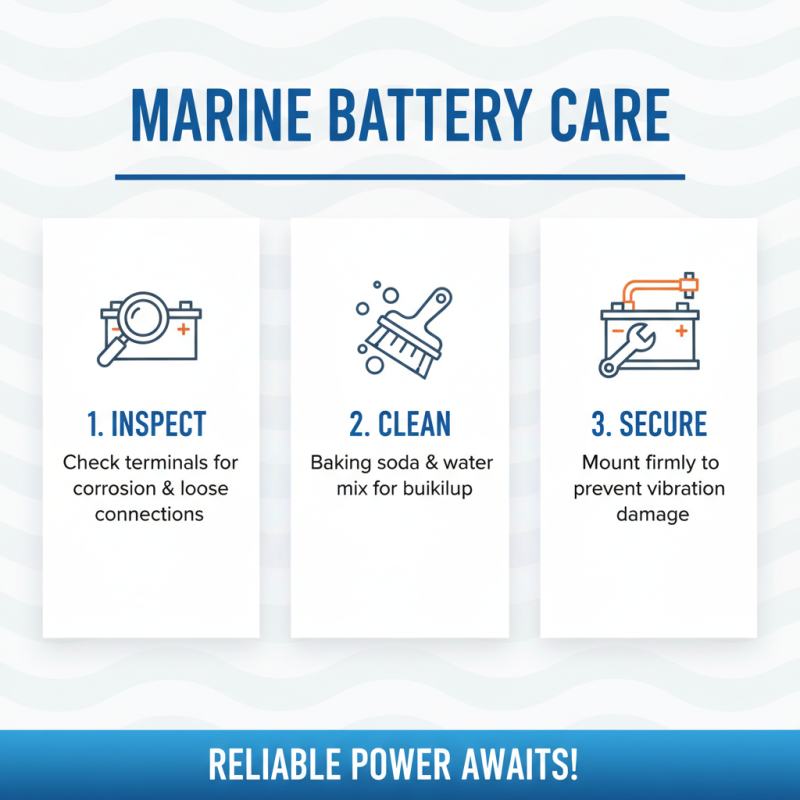
Maintaining your marine battery is crucial for ensuring reliable power during your adventures on the water. Regular inspection is key; start by checking the battery terminals for any corrosion or loose connections. Clean the terminals with a mixture of baking soda and water if you notice any buildup, as this can impede the battery’s performance. Additionally, ensure that the battery is securely mounted to avoid damage caused by vibrations while underway.
Proper charging practices play a significant role in extending the lifespan of your marine battery. Always use a charger that is specifically designed for your type of battery, and avoid overcharging, as this can lead to overheating and premature failure. It’s also wise to regularly check the electrolyte levels in lead-acid batteries and top them off with distilled water when necessary. Keeping the battery at a full charge during periods of inactivity can further minimize sulfation, contributing to a longer service life. Incorporating these maintenance tips into your routine will not only enhance the reliability of your power source but also ensure your adventures are fueled without interruptions.