Why Power Batteries Are Essential for the Future of Renewable Energy: Key Insights and Trends
The transition towards renewable energy sources is gaining momentum, and a pivotal factor in this evolution is the development and integration of power batteries. As countries worldwide strive to meet ambitious carbon reduction goals, the global market for power batteries is projected to grow exponentially, with estimates suggesting it could reach over $200 billion by 2025, according to a recent industry report by BloombergNEF. This surge is driven by the rising demand for electric vehicles (EVs) and the need for efficient energy storage solutions to combat intermittent renewable energy sources like solar and wind.

Power batteries are not merely a component of electric mobility; they are the backbone of a sustainable energy infrastructure. According to the International Energy Agency, energy storage capacity is expected to increase more than tenfold by 2030, with power batteries playing a crucial role in this transition. As we look towards 2025 and beyond, understanding the key insights and trends affecting power batteries is essential for stakeholders across the energy and automotive industries to harness the full potential of renewable technologies. With continual advancements in battery chemistry, design, and recycling processes, the future of power batteries will shape the viability of a low-carbon economy.
The Critical Role of Power Batteries in Achieving Carbon Neutrality Goals by 2050
Power batteries are emerging as a cornerstone in the global transition towards carbon neutrality by 2050. According to the International Energy Agency (IEA), energy storage systems, primarily powered by batteries, could account for up to 30% of the world's total energy capacity by 2030. This shift is essential as renewable energy sources like wind and solar are inherently intermittent, necessitating robust energy storage solutions to ensure a reliable supply. As noted in a report by BloombergNEF, global investment in energy storage technologies is projected to surpass $620 billion over the next decade, highlighting the urgent demand for advancements in power battery technologies.
Additionally, power batteries play a crucial role in decarbonizing sectors such as transportation and industrial processes. The Global Battery Alliance estimates that transitioning to electric vehicles could result in a reduction of up to 1.5 gigatons of carbon emissions annually by 2030. This transition is supported by governments worldwide setting ambitious regulations to phase out fossil fuel vehicles, further driving the demand for efficient and sustainable battery solutions. The need for innovative battery technologies capable of high energy density, longevity, and environmental sustainability cannot be overstated as the world strives for carbon neutrality by mid-century.
Market Growth Projections: Global Battery Storage Demand Surging to an Estimated 250 GWh by 2025
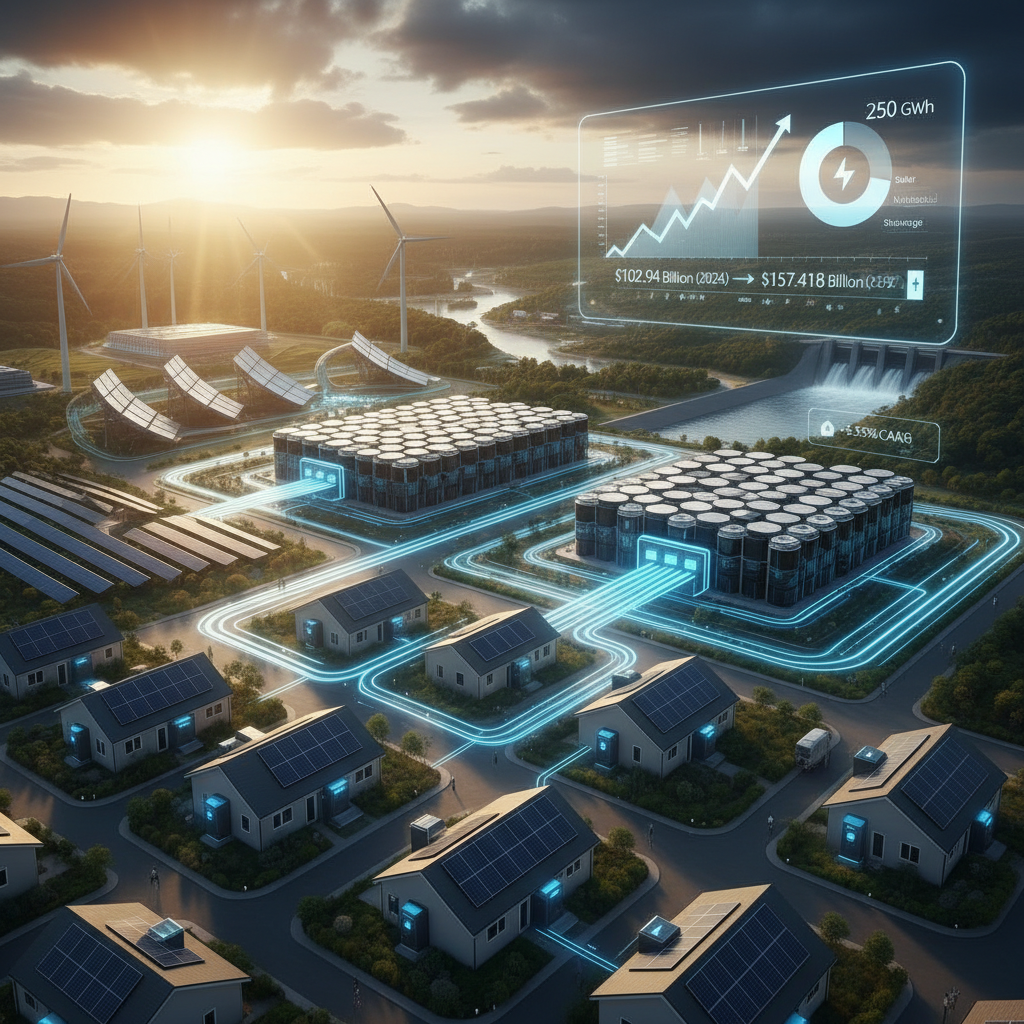
The demand for battery storage is increasingly pivotal as the global renewable energy landscape evolves. By 2025, the global battery storage demand is projected to surge to an estimated 250 GWh, driven by the rapid expansion of renewable energy technologies. In particular, the market for residential energy storage systems is gaining momentum, propelled by factors such as technological advancements and shifting consumer preferences toward sustainable energy solutions. The global renewable energy market is expected to reach a valuation of $102.94 billion in 2024, with a remarkable growth trajectory projected to reach $157.418 billion by 2032, reflecting a compound annual growth rate of 5.55%.
This robust growth is underpinned by a significant increase in installed capacity, particularly in wind and solar energy sectors, which saw over 400 GW of new installations in 2023 alone. The residential energy storage market is predominantly led by developed regions such as North America, Europe, Japan, and Australia, yet there remains substantial growth potential in emerging markets. The lithium-ion battery market, specifically Lithium Iron Phosphate (LFP) and Nickel Manganese Cobalt (NMC) variants, is expected to grow from $3 billion in 2022 to $7 billion by 2030, with a compound annual growth rate of 12.5% from 2024 to 2030. As investments in renewable energy intensify, the energy storage systems market is anticipated to exceed $241.47 billion by 2025, reinforcing the critical role of power batteries in the future of sustainable energy solutions.
Technological Advancements in Battery Chemistry: From Lithium-ion to Solid-State Innovations
The evolution of battery technology is a crucial driver in the shift toward renewable energy. Lithium-ion batteries, which currently dominate the market, have significantly improved in efficiency and cost, boasting energy densities of around 250 Wh/kg. However, they still face challenges such as thermal runaway and limited lifespan. In response to these issues, researchers and companies are increasingly focusing on solid-state battery innovations, which employ a solid electrolyte instead of a liquid one. According to the recent report by IDTechEx, the solid-state battery market is expected to grow from $250 million in 2023 to over $6 billion by 2030, driven by their enhanced safety and higher energy densities of up to 500 Wh/kg.
The transition to solid-state technology promises to address many limitations of conventional lithium-ion cells. These batteries, by eliminating flammable liquid electrolytes, can operate at higher temperatures and offer superior cycle stability. Additionally, advancements in battery materials, such as the use of lithium metal anodes and polymer electrolytes, have the potential to significantly improve performance. As outlined in a report by BloombergNEF, a transition to solid-state batteries could lead to a 30% reduction in electric vehicle costs by 2035, propelling the adoption of electric mobility and further integrating renewable energy solutions into our daily lives. This synergy between battery advancements and renewable energy initiatives highlights the transformative potential of power batteries in achieving a sustainable energy future.
Technological Advancements in Battery Chemistry: Energy Density Over Time
This chart illustrates the advancements in energy density across different battery technologies, highlighting the significant leap from traditional lead-acid batteries to modern solid-state innovations.
Economic Impact: Power Battery Installations Projected to Generate $300 Billion by 2030
The rapid growth of renewable energy sources is driving a significant shift in the energy landscape, and power batteries are at the forefront of this transformation. By 2030, the economic impact of power battery installations is projected to reach an astonishing $300 billion, underscoring the essential role these technologies play in facilitating the transition to cleaner energy systems. As wind and solar energy production increase, the demand for efficient energy storage solutions becomes critical to manage supply fluctuations and ensure a stable power grid.
Investments in battery technologies not only promise substantial financial returns but also enhance energy security and sustainability. The economic benefits extend beyond just installation; they include job creation in manufacturing, installation, and maintenance sectors. Additionally, as nations strive to meet ambitious climate goals, the focus on developing advanced battery systems will encourage innovations that can further enhance performance, reduce costs, and increase adoption rates. This positive feedback loop is poised to bolster the renewable energy sector, paving the way for a sustainable energy future.
Integration of Energy Storage Systems: Enhancing Grid Stability and Renewable Resource Efficiency
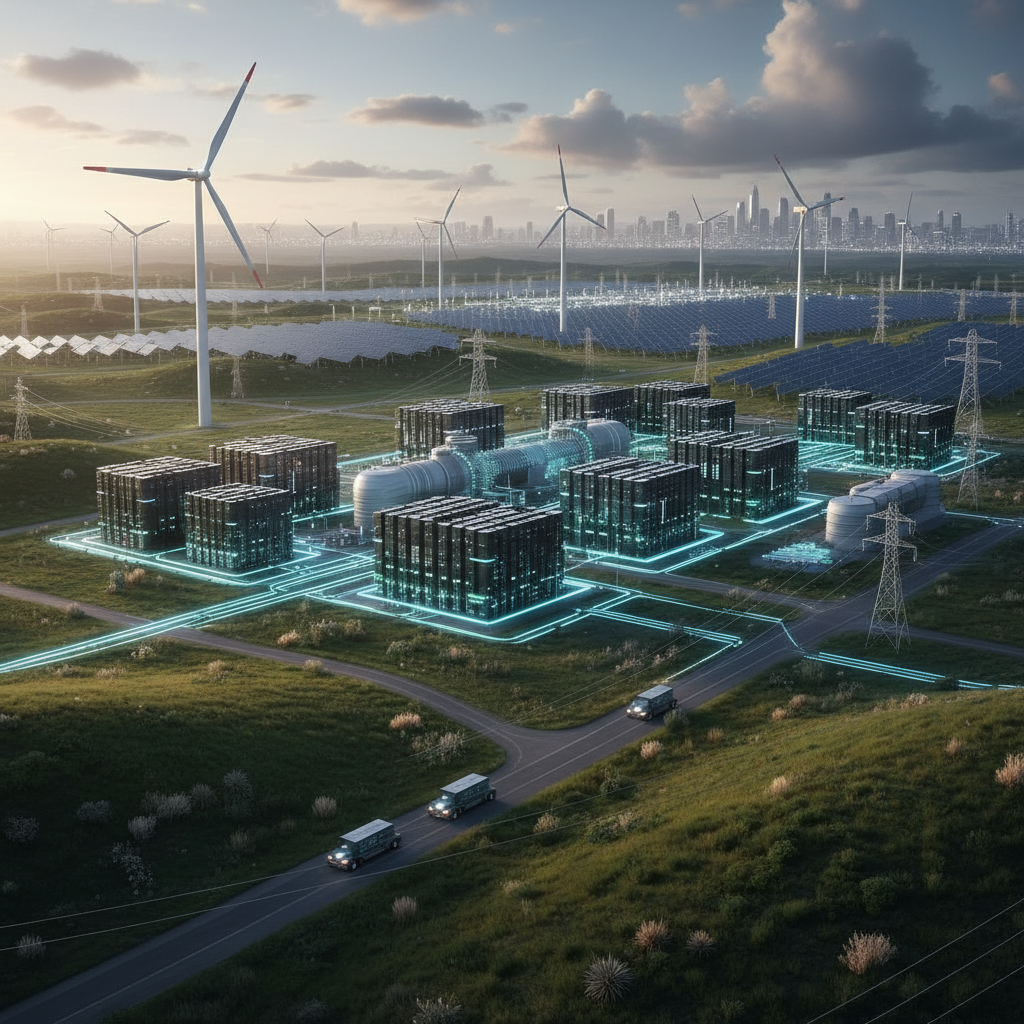
The integration of energy storage systems, particularly power batteries, plays a critical role in enhancing both grid stability and the efficiency of renewable resources. According to the International Renewable Energy Agency (IRENA), storage capacity in the power sector is expected to grow dramatically, reaching over 1,400 gigawatts (GW) by 2030, up from approximately 180 GW in 2020. This remarkable growth underscores the urgent need for effective energy storage solutions to manage the intermittency of renewable energy sources such as wind and solar.
Energy storage systems not only help to balance supply and demand, but also provide valuable ancillary services to the grid. A report from BloombergNEF highlights that implementing advanced battery storage could reduce overall electricity costs by up to 30% by 2040, making renewable energy sources more reliable and accessible. Furthermore, energy storage can mitigate the risk of blackouts and support the integration of electric vehicles and other emerging technologies into the energy ecosystem, helping to create a more resilient and sustainable future.