Top Power Battery Technologies You Should Know About?

In today's rapidly advancing technology landscape, understanding the latest power battery innovations is crucial. Power batteries are at the forefront of energy storage solutions. They play a vital role in electric vehicles, renewable energy systems, and portable electronics. Several cutting-edge technologies are emerging in this field.

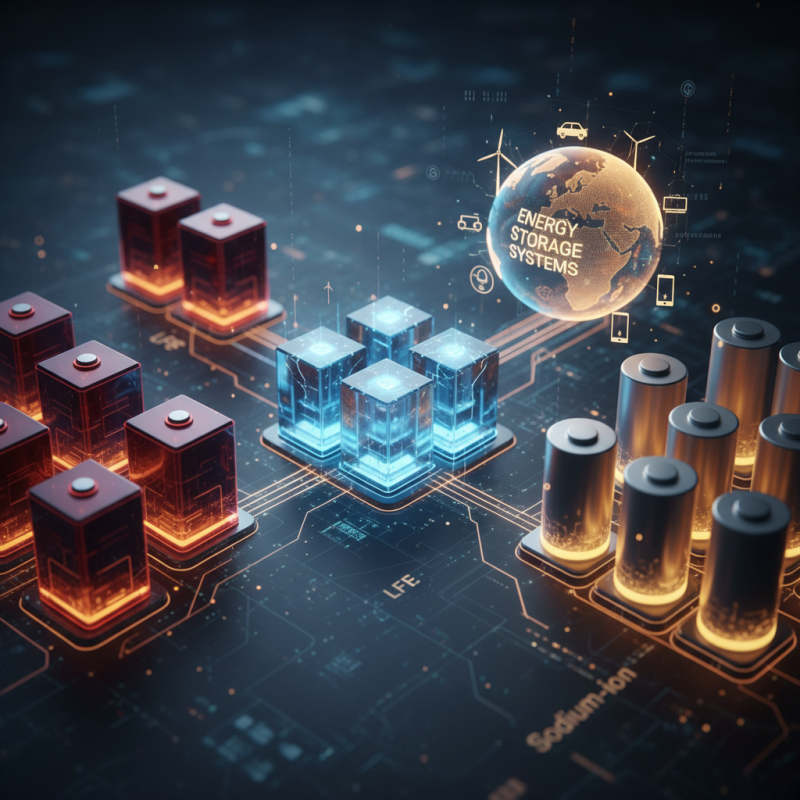
LFP (Lithium Iron Phosphate) batteries are gaining popularity due to their safety and longevity. They are less prone to overheating and have a stable performance. On the other hand, solid-state batteries promise higher energy density and improved safety, but they still face manufacturing challenges.

Innovators are exploring alternative materials too. Sodium-ion batteries may become a cost-effective solution, but they have limitations in energy density. Each technology has its strengths and weaknesses, making the future of power batteries an intriguing but uncertain journey. Understanding these options can empower users to make informed decisions in the market.
Top Power Battery Technologies You Should Know About?

Overview of Power Battery Technologies

Power battery technologies are evolving rapidly. They play a crucial role in various applications, from electric vehicles to renewable energy storage. The focus is on enhancing energy density, reducing costs, and improving safety.

Lithium-ion batteries dominate the market due to their high efficiency and widespread use. However, they have limitations, like thermal runaway risks and resource scarcity. Alternative technologies, like solid-state batteries, offer potential improvements. Solid-state batteries use a solid electrolyte, which may enhance safety and energy density.

Tips: Always consider your needs before choosing a battery technology. Prioritize safety and longevity over just cost.
Another promising technology is flow batteries. They utilize liquid electrolytes, enabling easy scaling for large storage solutions. Despite their advantages, they are not widely adopted yet. Research is ongoing to address challenges like lower energy density compared to lithium-ion.

Tips: Stay informed about advancements in battery technologies. It helps make wise choices in energy storage solutions.
Lithium-Ion Batteries: The Dominant Technology

Lithium-ion batteries have become a cornerstone of modern energy storage technology. Their lightweight and high energy density make them ideal for portable electronics and electric vehicles. These batteries utilize lithium ions, which move between the anode and cathode during discharge and charging cycles. This movement enables them to store and release energy efficiently, yet it also presents challenges. Overcharging can lead to overheating, posing safety risks.

Despite their dominance, lithium-ion batteries have limitations. They degrade over time, which impacts performance. Environmental concerns arise from mining lithium and the disposal of spent batteries. Recycling efforts are evolving, but they are still in their infancy. The quest for improved battery life and sustainability continues. Researchers explore alternatives, such as solid-state and lithium-sulfur batteries, which promise higher safety and capacity. The future of energy storage technology remains uncertain, yet the path forward is ripe for innovation.

Top Power Battery Technologies: Market Share Overview

Solid-State Batteries: Future of Energy Storage

Top Power Battery Technologies You Should Know About?

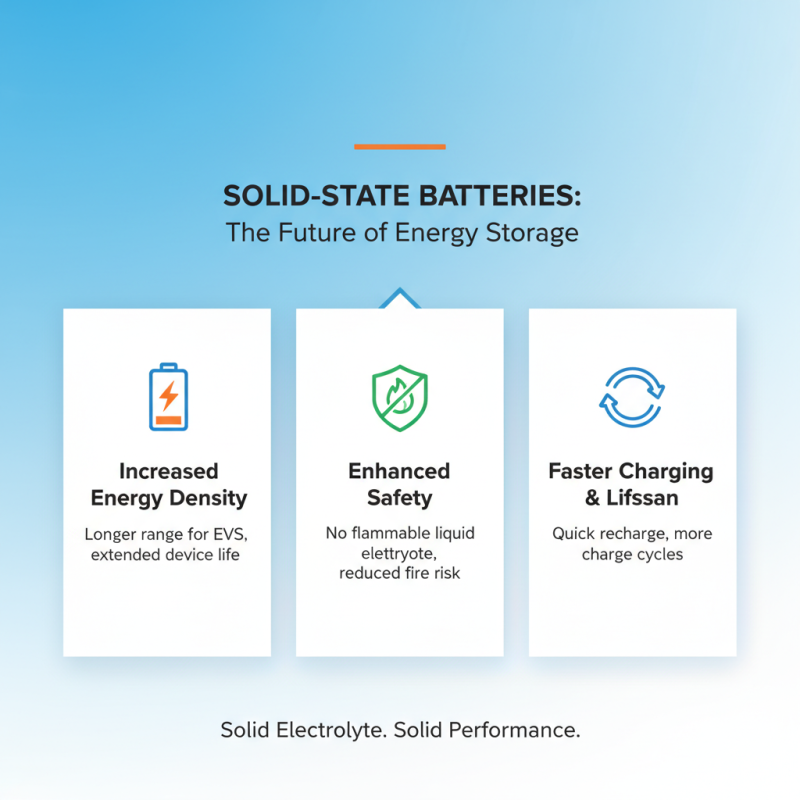
Solid-state batteries represent a groundbreaking advancement in energy storage technology. Unlike traditional lithium-ion batteries, these batteries utilize a solid electrolyte instead of a liquid one. This shift holds promise for increased energy density and safety. With fewer combustible materials, the risk of fires diminishes significantly.

However, there are challenges. Manufacturing processes for solid-state batteries are still evolving. Scalability can be a major hurdle to widespread adoption. Additionally, the cost remains a concern. Researchers are working hard to overcome these obstacles. We may see breakthroughs in the next few years.

Despite these issues, the potential benefits are immense. Solid-state batteries can lead to lighter, more efficient energy solutions. Their longevity could change how we approach energy consumption. The transition to this technology may not be seamless, but the journey could redefine our energy landscape.

Overview of Emerging Battery Technologies

Emerging battery technologies are reshaping the energy landscape. Solid-state batteries are a prominent development. They promise higher energy density and enhanced safety. Research indicates a potential increase in energy density by up to 50%. This could significantly improve electric vehicles' range and performance.

Another technology gaining traction is lithium-sulfur batteries. These batteries could store up to five times more energy than conventional lithium-ion batteries. However, challenges remain. The cycle life of lithium-sulfur batteries is still under scrutiny. Some reports suggest they may only last 500 charge cycles, far less than expected.

Moreover, researchers are exploring sodium-ion batteries. They offer a sustainable alternative to lithium batteries. Sodium is abundant and inexpensive. Yet, energy efficiency remains a concern. Current studies show sodium-ion batteries have lower efficiency compared to lithium-ion counterparts. This highlights the need for continued innovation and investment in research. The future of battery technology looks promising, yet challenges persist.

Comparative Analysis of Battery Efficiency and Sustainability

Top Power Battery Technologies You Should Know About?

Battery technologies are evolving rapidly. Each type offers unique advantages in efficiency and sustainability. Lithium-ion batteries remain popular due to their high energy density. However, they also face issues with recycling. Environmental concerns arise when considering the extraction of lithium.

Solid-state batteries present an exciting alternative. They promise higher energy density and improved safety. Yet, manufacturing complexities and costs are significant hurdles. Researchers are actively exploring ways to make production more efficient.

Flow batteries are another contender. They excel in long-duration energy storage. However, their lower energy density limits applications. Sustainability relies on the materials used in construction. Each technology must balance efficiency with environmental impact. The industry is still figuring this out, making it a dynamic field for future exploration.