What is a Rubber Engine Mount and Why is it Important?
The Rubber Engine Mount is a crucial component in modern vehicles. It plays a vital role in dampening vibrations and noise from the engine. According to a report by MarketsandMarkets, the global rubber engine mount market is projected to grow at a CAGR of 5.8% from 2021 to 2026. This underscores the importance of these mounts in automotive engineering.
Rubber engine mounts are designed to isolate the engine from the chassis. They enhance the driving experience by providing better comfort and reducing cabin noise. The materials used in their construction are specifically chosen for their durability and performance. However, many engine mounts may degrade over time due to heat and stress.
Inadequate attention to rubber engine mount maintenance can lead to costly repairs. If the mounts wear out, vibrations can transfer to the vehicle, leading to other mechanical issues. Therefore, understanding the importance of rubber engine mounts is essential for vehicle longevity and performance. The growth in electric vehicles also highlights the need for advanced mount designs to accommodate new engine technologies.
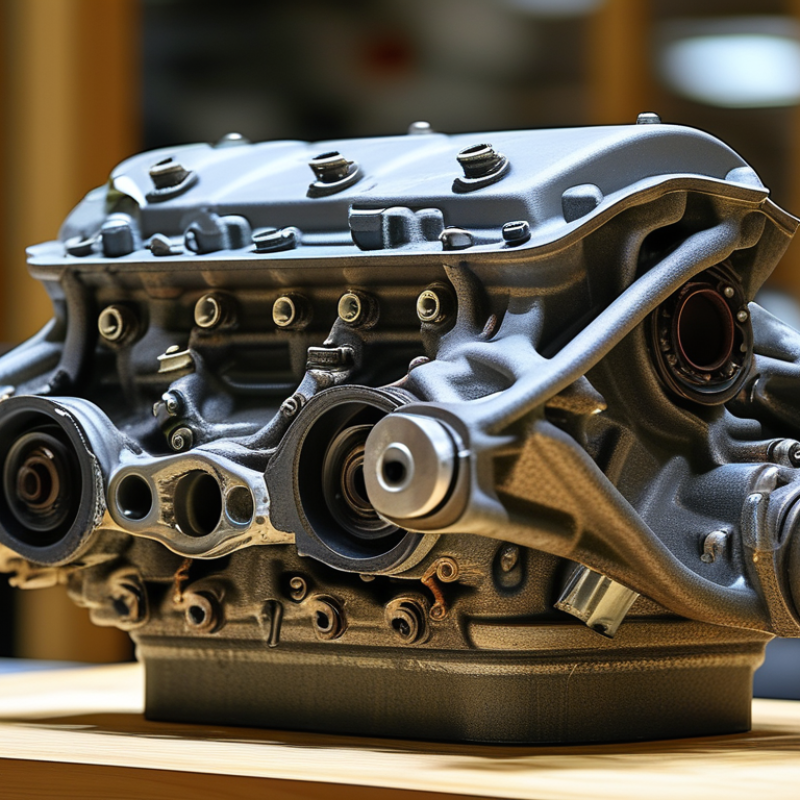
What is a Rubber Engine Mount?
A rubber engine mount is a crucial component in automotive design. It serves to secure the engine while reducing vibrations and noise. Typically made from durable rubber, these mounts act as cushions. They absorb the harsh vibrations produced by the engine's operation, making your ride smoother. A well-functioning engine mount can enhance overall vehicle performance and comfort.
Without proper engine mounts, vibrations can travel through the chassis. This can lead to a rough driving experience and may even damage other components over time. It's not uncommon for rubber mounts to wear out. Signs include unusual engine movement or increased noise levels. Regular inspections help prevent major repairs. However, many drivers overlook this simple yet vital part of their vehicle.
Understanding its role can shed light on maintenance needs. Engine mounts may not seem significant, but their impact is profound. They protect not just the engine but the entire car structure. Observing changes in driving feel can lead to early detection. It's a small part that plays a big role in keeping your engine secure and functioning properly. Being attentive to these details ensures reliability on the road.
The Functionality of Rubber Engine Mounts in Vehicles
Rubber engine mounts play a crucial role in a vehicle's performance and comfort. They are designed to secure the engine to the frame while absorbing vibrations and shocks. This function minimizes noise and creates a smoother ride for passengers. A quality mount can significantly reduce the harshness felt inside the cabin during acceleration or braking.
The materials used in rubber mounts are engineered for durability and effectiveness. They are often made from high-quality rubber compounds that withstand extreme temperatures and stress. Over time, however, wear and tear can lead to degradation. Drivers may notice increased vibrations or noise when the mounts begin to fail, indicating the need for replacement. Regular inspections help identify these issues early.
Understanding the functionality of rubber engine mounts is essential for any car owner. They not only provide stability but also enhance the overall driving experience. Ignoring their condition may lead to more severe engine components issues. Addressing these concerns promptly ensures your vehicle runs smoothly and safely, reflecting a commitment to maintenance and care.
Performance Impact of Rubber Engine Mounts in Vehicles
Benefits of Rubber Engine Mounts in Reducing Vibrations
Rubber engine mounts play a crucial role in reducing vibrations in vehicles. They absorb the engine's vibrations, enhancing comfort and stability. According to industry reports, well-designed rubber engine mounts can reduce engine noise levels by up to 50%. This reduction leads to a more pleasant driving experience.
In addition to comfort, these mounts support engine alignment. Proper alignment is essential for optimal engine performance and longevity. A misaligned engine can lead to excessive wear and tear on components. Reports from automotive safety organizations indicate that a significant percentage of engine failures could be traced back to inadequate mounting systems.
When choosing rubber engine mounts, it’s essential to consider factors like material quality and design. Not all rubber is created equal. High-quality rubber withstands heat and degradation better than cheaper alternatives. Consider consulting a mechanic for recommendations tailored to specific vehicles. Regular inspections of engine mounts can prevent costly repairs down the line. Monitoring signs of wear, like unusual vibrations or sounds, is also key.
What is a Rubber Engine Mount and Why is it Important? - Benefits of Rubber Engine Mounts in Reducing Vibrations
| Dimension | Description | Importance |
| Material | Typically made of rubber combined with metals or other composites. | Provides flexibility and durability in engine mounting. |
| Vibration Absorption | Reduces the transmission of engine vibrations to the chassis. | Enhances comfort for passengers and reduces noise levels. |
| Weight | Generally lightweight compared to other mount types. | Contributes to overall vehicle weight reduction, improving fuel efficiency. |
| Temperature Resistance | Designed to withstand high and low temperatures. | Ensures longevity and reliability under varying operating conditions. |
| Cost-Effectiveness | Generally less expensive than metal engine mounts. | Provides a good balance between performance and budget. |
Factors to Consider When Choosing Rubber Engine Mounts
When selecting rubber engine mounts, several key factors should guide your decision. The performance of rubber engine mounts directly impacts vehicle stability and comfort. According to recent industry studies, inappropriate material choices can lead to failures in 30% of engine mounts within their expected lifespan. It's clear that choosing high-quality materials is crucial.
Another critical factor is the mount's hardness. The durometer rating reflects its stiffness. Most vehicles benefit from a balance, typically rated between 40 and 70 Shore A. This range provides adequate support while absorbing vibrations. Selecting a mount with the wrong rating can lead to excessive noise or vibrations, undermining the driving experience.
Additionally, consider installation compatibility. Some mounts may not fit specific vehicle models, which can lead to misalignment and function issues. In fact, poor alignment is responsible for nearly 25% of reported performance problems. Thus, consulting automotive standards and specifications before purchase can save time and resources. The right choice ensures smoother operation and prolongs engine life.
Common Issues and Maintenance Tips for Rubber Engine Mounts
Rubber engine mounts play a crucial role in vehicle performance. They cushion the engine and reduce vibrations. However, over time, these mounts can wear out due to heat, exposure to oil, and prolonged use. This degradation can lead to various issues like increased engine noise or vibrations felt in the cabin.
Regular maintenance can extend the life of rubber engine mounts. Inspect them periodically for signs of cracks or hardening. Listen for unusual noises while driving. If you notice excessive vibrations, it may be time for a replacement. Simple visual checks can save you from future headaches.
Consider applying a protective spray to enhance the durability of the rubber. This helps shield it from environmental factors. Keeping your engine area clean can minimize the chances of oil exposure, which is often damaging. Regular maintenance not only improves performance but also enhances your driving experience. Simple actions can lead to significant improvements.