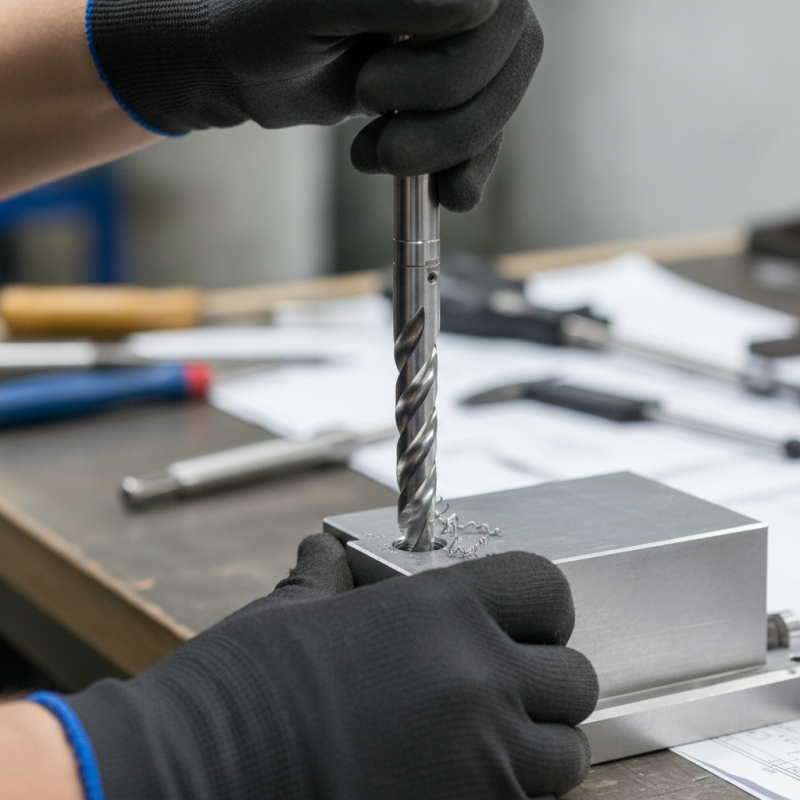
What is a Tapping Tool and How is it Used in Manufacturing?
In the world of manufacturing, precision is key. A Tapping Tool plays a vital role in this process. It is used to create threads in holes. This allows parts to be securely fastened together. Skilled technicians often rely on it to ensure accuracy.
The design of a Tapping Tool is intricate. It typically consists of a twisted flute and sharp edges. These features help in cutting through various materials. Selecting the correct Tapping Tool for the job is essential. The wrong choice can lead to errors and wasted time.
Despite its simplicity, using a Tapping Tool requires expertise. Technicians must understand material properties and tool types. Over time, they can develop effective techniques. However, mistakes can happen. Each misstep provides an opportunity for learning and improvement. This highlights the tool's significance in the manufacturing sector.
Definition of Tapping Tool and Its Role in Manufacturing
A tapping tool is essential in manufacturing. It is used to create internal threads in a variety of materials, like metal and plastic. This process aids in assembling parts securely. By forming precise threads, tapping allows screws and bolts to fit snugly. The right tool can enhance efficiency in production.
In manufacturing, tapping tools come in various designs. Some are hand-held, while others are operated by machines. The choice depends on the complexity of the task. Manual tapping requires skill and experience. This can lead to variations in thread quality. Automated tapping is faster but may lack the nuances of manual work.
Using a tapping tool requires careful consideration. Operators must evaluate material type and size. Ignoring these factors can cause defects. Sometimes, the wrong tool can damage the workpiece. This highlights the importance of selecting the right tool for each job. Understanding tapping tools is crucial for quality manufacturing. It reflects the commitment to precision and effective production processes.
Types of Tapping Tools and Their Specific Applications
Tapping tools are essential in manufacturing. They create internal threads within pre-drilled holes, allowing for secure fastener insertion. Various types of tapping tools suit different applications. Each type caters to specific needs in production.
Hand taps offer simplicity in smaller jobs. They are operated manually and allow for precise threading in metals and plastics. This method provides flexibility but requires skill to prevent cross-threading. Machine taps, on the other hand, are designed for automated processes. These taps enhance efficiency and speed, ideal for high-volume production. However, they must be used with compatible machines to avoid damage.
Another type, spiral-point taps, push chips ahead, reducing friction and improving chip removal. This design is efficient for through holes, but it can be less effective for blind holes. It’s crucial for manufacturers to select the correct tool for their specific tasks. A poor choice can lead to thread damage or tool wear. Understanding each type's strengths and limitations ensures better outcomes in the manufacturing process.
Step-by-Step Process of Using a Tapping Tool
Tapping tools are essential in manufacturing for creating internal threads in materials. The process can be more nuanced than it appears. Here’s how to use a tapping tool effectively.
Start by selecting the proper drill bit size based on the material thickness. According to the American National Standards Institute (ANSI), using the wrong size can lead to stripped threads or a broken tap. Once you have the right bit, drill a hole at the designated location. Maintain a steady speed. Too fast can create heat and affect precision.
After drilling, clean the hole of debris. This preparation step is often overlooked but is crucial for a clean tap. Apply tapping fluid to reduce friction and heat. Insert the tap into the hole and turn slowly. Pay attention to the resistance. If it feels too loose or tight, stop and reassess. About 40% of manufacturing failures happen due to improperly executed tapping. The process demands patience and attention to detail.
Best Practices for Maintaining Tapping Tools
Tapping tools are essential in manufacturing, specifically for creating internal threads in drilled holes. Proper maintenance of these tools is crucial for maximizing their lifespan and performance. Industry reports indicate that regular upkeep can extend tool life by up to 30%. This not only saves costs but also improves manufacturing efficiency.
To maintain tapping tools effectively, operators must ensure cleanliness. Contamination can lead to premature wear. Using appropriate lubricants during tapping can significantly reduce friction and heat. Studies reveal that using proper lubrication can increase thread accuracy by 20%. Regularly inspecting for wear and damage also helps identify issues before they escalate.
Operators should replace tapping tools at the first sign of wear. Delaying replacement can result in poor thread quality. An industry overview points out that 15% of production rework is due to inadequate tool maintenance. Thus, staying proactive with maintenance practices is crucial for maintaining production quality.
What is a Tapping Tool and How is it Used in Manufacturing? - Best Practices for Maintaining Tapping Tools
| Dimension | Description | Best Practices |
| Material | Commonly made from HSS or Carbide | Choose the right material for the application to increase tool life. |
| Thread Type | Includes UNC, UNF, Metric | Ensure the tapping tool matches the thread type for compatibility. |
| Tap Size | Varies depending on the application | Select the correct size to ensure proper threading and fit. |
| Coolant Use | Helps in cooling and lubricating the tool | Use appropriate coolant to enhance performance and tool life. |
| Maintenance Frequency | Depends on usage and wear | Regularly inspect and maintain tapping tools to prevent premature failure. |
| Storage Conditions | Keep in a dry and clean environment | Store tools properly to avoid corrosion and damage. |
Common Issues and Solutions in Tapping Tool Operations
Tapping tools are essential in manufacturing. They create internal threads in holes, ensuring precise fit for screws or bolts. However, issues can arise during their operation, impacting efficiency and product quality. Recognizing common problems can help mitigate these risks.
One frequent issue is tool wear. Tapping tools can dull over time, leading to thread defects. Regular inspection helps identify signs of wear. Operators should consider the material being tapped, as harder materials can accelerate wear. Additionally, using the correct speed and feed rates is crucial. Inadequate lubrication can also contribute to overheating, resulting in tool failure.
Another concern is chip removal. During tapping, chips can obstruct the tool, causing jams. This may lead to broken tools or defective threads. Implementing proper chip management strategies is vital. Operators can use flooded coolant systems or air blasts to keep the area clear. Training in efficient tapping techniques can further reduce these issues, enhancing productivity in the manufacturing process.