
Buying performance parts should begin with fitment, not excitement. Vitavon Racing Development may offer upgrades that look compelling on a product page, but the right choice depends on your vehicle, intended use, and current setup. Measure carefully. Check model compatibility, dimensions, materials, installation requirements, and what the package includes. A polished photo cannot confirm fit. Nor can a broad product description answer every question.
Motorsport engineer Colin Chapman is often credited with the principle, “Adding power makes you faster on the straights. Subtracting weight makes you faster everywhere.” It is a useful reminder to consider an upgrade’s purpose, not just its appearance. The ten tips ahead cover product research, compatibility checks, seller communication, pricing, shipping, return terms, and post-purchase inspection. Keep your model details and measurements nearby when comparing parts. Ask for clarification when a listing leaves something uncertain; do not guess. Small details matter.
Take your time. A low price may not reflect the full cost once shipping or installation is considered. Save the product specifications and order confirmation, and inspect the part before fitting it. Even a careful buyer can overlook one measurement. That is worth admitting. These practical checks can help you make a more informed purchase from Vitavon Racing Development and choose upgrades that suit your build, rather than buying on appearance alone.
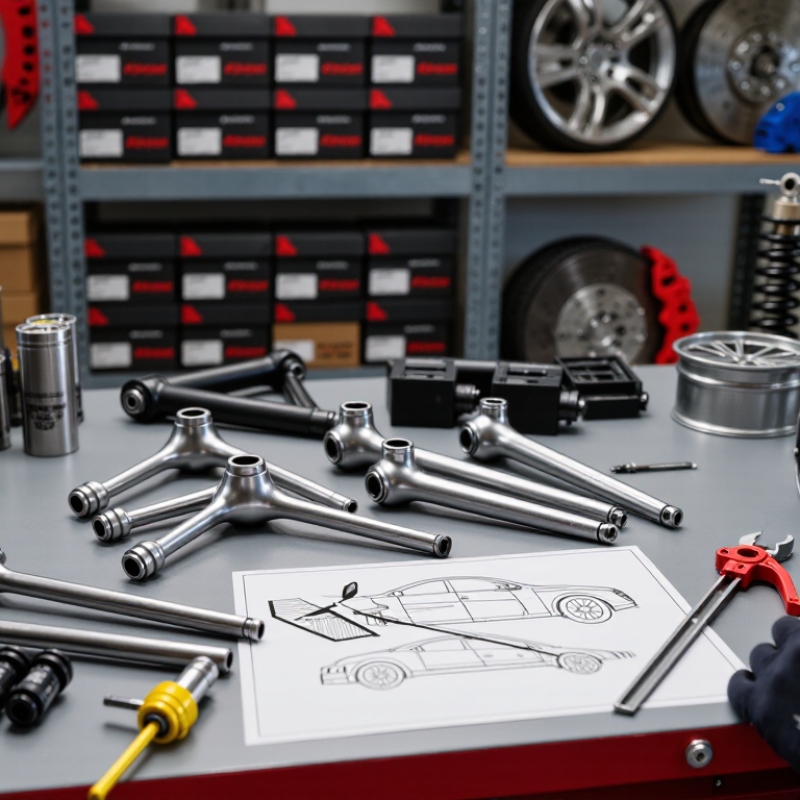
A racing-development supplier’s range may cover chassis plates, suspension arms, steering links, drivetrain parts, and small mounting hardware. These components can change how a model handles, but an upgrade is not automatically an improvement. A heavier metal arm, for example, may feel sturdy yet add weight where quick movement matters. Details matter.
Check the product description against your exact vehicle version, not just its general model name. Compare mounting points, dimensions, material, and included hardware before ordering. A ruler and clear photos of your current part can help reveal fitment differences. Ask the seller for clarification when specifications are incomplete. Don’t guess.
Think about the problem you want to solve. If a part repeatedly bends during ordinary track use, a stronger replacement may be useful; if handling feels inconsistent, tires or setup could be the real cause. I would avoid replacing several parts at once, since that makes results harder to judge. It is easy to overestimate what one component can fix. Keep the original parts until the new setup has been tested.
Before buying an upgrade, define what your vehicle needs to do. A truck used on rocky trails may need stronger suspension components, while a road-focused build may benefit more from precise steering parts. Write down your vehicle’s make, model, year, and current modifications. Small details matter. A lift kit, altered wheel offset, or larger tires can change which parts fit.
Check compatibility against the exact part number and the manufacturer’s fitment information. Compare mounting points, dimensions, connector types, and required hardware. If a listing only says “fits most models,” treat that as a reason to ask questions, not as proof. Measure available clearance with the vehicle at normal ride height, and consider how components move under load. A part that clears in the driveway may rub when the suspension compresses. It happens.
Inspect the product drawings and installation notes before ordering. Confirm whether the part requires companion components, special tools, or professional alignment afterward. If your setup has custom changes, share those details with a qualified technician or the seller’s support team. Keep written answers and verify them against the vehicle’s service information. I once assumed two similar model years used identical brackets; they did not. That reminder made me slower, and more careful, about fitment claims.
Material labels are only a starting point. Ask for the exact alloy or polymer grade, heat treatment, and coating thickness. “Aluminum” alone tells you little about strength or fatigue life. Request a batch-linked material certificate and dimensional tolerances. Check whether critical holes, bearing seats, and mounting faces are machined after casting or printing. Small details matter.
SEMA’s 2023 Market Report valued the U.S. specialty-equipment market at $52.3 billion in 2022. That figure describes market scale, not product quality; specifications still need checking part by part. For metal parts made by additive manufacturing, ASTM F3122 provides guidance for evaluating mechanical properties. Look for test methods and results, not just claims of “high strength.” A tensile-test reference, such as ISO 6892-1, can help clarify how strength was measured. Compare the stated dimensions with your vehicle’s measurements, and inspect clear photos of contact surfaces and fasteners. A polished finish can conceal rough edges. I would still treat a missing test certificate as a limitation, not proof of poor quality. Ask about inspection records, replacement-part availability, and the intended load range before ordering.
Typical density values help you assess material claims and understand how component weight may differ. Actual values vary by alloy and product specification.
When comparing parts, confirm the exact alloy and condition in the product specifications. Density alone does not indicate strength, durability, or suitability for your application.
Before ordering, verify that the seller’s contact details match across its website, invoices, and customer-service messages. A working email address and clear business address are useful signs, though neither proves reliability on its own. Check how long the store has operated and look for detailed, recent reviews that describe delivery and support, not just product quality. Be cautious if answers are vague or pressure to pay quickly appears. That deserves a pause.
Confirm availability in writing. A listing can remain online after stock runs out, so ask whether the specific item is physically available and when it can ship. If possible, request a current photo showing the item and its packaging. Read the purchase policies before paying: note the return window, warranty coverage, shipping cost, delivery estimate, and who handles return postage. Check what happens if an order is delayed or arrives damaged. Save the listing, policy pages, and seller replies, and use a payment method with clear dispute procedures. I once treated a “ships soon” estimate as a firm date; it wasn’t. Small detail, but worth checking. If the terms still feel unclear, wait until the seller explains them plainly.
| # | What to Check | How to Verify It | Why It Matters |
|---|---|---|---|
| 1 | Seller identity and contact details | Look for a consistent business name, location, and working contact method. Where applicable, compare registration details with the relevant official business registry. | Clear, consistent details make it easier to identify who is responsible for the sale. |
| 2 | Website security | Check that the checkout uses HTTPS and that the web address is spelled correctly. Remember that HTTPS protects data in transit but does not prove that a seller is trustworthy. | It helps protect information during transmission while avoiding a false sense of security. |
| 3 | Independent customer feedback | Search for reviews on more than one independent platform. Focus on detailed, recent feedback and recurring complaints about delivery, product condition, or refunds. | A pattern across independent sources can be more informative than testimonials hosted only by the seller. |
| 4 | Stock and item condition | Confirm whether the item is in stock, made to order, back-ordered, new, used, or refurbished. Ask for written confirmation if the listing is unclear. | Availability labels and condition descriptions can affect delivery timing and what you receive. |
| 5 | Product specifications and fit | Compare dimensions, materials, compatibility, included components, and model requirements with your needs. Request clarification before ordering if key details are missing. | Checking specifications can reduce the risk of ordering an incompatible or incomplete item. |
| 6 | Total price and extra charges | Review the checkout total for shipping, taxes, handling fees, and any import duties that may apply. Check which charges are collected at checkout and which may be due on delivery. | The listed item price may not include every cost of an international or expedited order. |
| 7 | Shipping and delivery estimates | Check the stated dispatch window, estimated transit time, destination coverage, tracking availability, and process for delayed or lost parcels. | Dispatch and transit are different stages, and delivery estimates are not always guarantees. |
| 8 | Returns, cancellations, and refunds | Read the policy for return deadlines, eligible item conditions, return shipping costs, cancellation limits, and expected refund timing. Rules can vary by seller and jurisdiction. | Knowing the conditions in advance helps you understand your options if plans change or an item is unsuitable. |
| 9 | Payment method and dispute options | Review the payment provider’s terms for the specific transaction. Avoid payment requests that bypass the checkout or require sending funds to an unrelated account. | Dispute rights and protections vary by provider, payment method, location, and transaction type. |
| 10 | Order records and support responses | Save the listing, policy pages, order confirmation, payment receipt, and seller messages. Before a high-value purchase, ask a specific question and keep the written reply. | Accurate records can help resolve misunderstandings about the item, price, delivery, or agreed terms. |
Note: Consumer rights and seller obligations depend on the buyer’s location, the seller’s location, and the type of transaction. Check the rules that apply to your purchase.
Before placing an order, write down your vehicle’s exact model year, configuration, and current modifications. Compare these details with the product specification, then ask the seller to confirm fitment in writing. SEMA’s 2023 U.S. Market Report valued the specialty-equipment market at $52.3 billion in 2022, reflecting a wide range of products and applications. A large market does not guarantee a part will suit your setup. Measure mounting points, check required hardware, and photograph existing connections before ordering. Keep the order confirmation and installation instructions together. Small details matter.
Plan the installation before the package arrives. Set aside a clean, well-lit workspace, label removed bolts, and check whether specialist tools or a qualified technician are needed. Do not force a part that does not align; stop and verify compatibility. That can feel inconvenient. It is cheaper than guessing. Ask about warranty coverage, return conditions, expected response times, and which photos or documents support an after-sales claim. Save the answers. If installation reveals a mismatch, record the part number and take clear photos before changing anything. One point deserves a second look: delivery speed is useful, but clear fitment guidance and reachable support may matter more once the work begins.
Northeast Battery, a Stored Energy Holdings, Inc. Company