Top Tips for Choosing a Better Battery for Your Devices?
Choosing a better battery for your devices can greatly enhance their performance. A reliable battery ensures longer usage times and better efficiency. With so many options available, selecting the right battery can be challenging.
Many users overlook battery specifications when purchasing devices. Understanding battery chemistry and capacity is essential. A lithium-ion battery may be ideal for one device, but not for another. Consider your usage patterns. Do you frequently travel or use demanding applications? This choice can influence performance and longevity.
Research is key to finding a better battery. Reviews and expert opinions provide insights into reliable brands and types. Additionally, counterfeit batteries are a concern in today’s market. They often offer poor performance. Investing time in selecting the right battery can lead to more efficient device usage. Ultimately, this decision impacts your overall experience with technology.

Understanding Battery Types: A Guide to Common Options
Understanding battery types is essential for choosing the right power source for your devices. There are several common options available, each with unique features and applications. Lithium-ion batteries are popular for smartphones and laptops. They offer high energy density and a longer lifespan. However, they can be expensive and may pose safety risks if not managed properly.
Nickel-metal hydride (NiMH) batteries are another option. They are more environmentally friendly and often used in hybrid vehicles. Despite being less powerful than lithium-ion, NiMH batteries are reliable and cost-effective for household devices. It’s crucial to consider the specific needs of your devices when making a choice.
When selecting a battery, consider these tips: check the energy capacity, assess the recharge cycles, and review the manufacturer's guidelines. Don't overlook the temperature sensitivity of some battery types. If your device will be exposed to heat, choose a battery type known for its stability in various conditions. Finally, be mindful of your usage habits, as this can influence your battery's longevity and efficiency.
Top Tips for Choosing a Better Battery for Your Devices
| Battery Type |
Common Uses |
Capacity (mAh) |
Voltage (V) |
Lifespan (Years) |
| Lithium-Ion |
Smartphones, Laptops, Tablets |
3000 - 5000 |
3.7 |
2 - 3 |
| Nickel-Metal Hydride (NiMH) |
Hybrid Cars, Digital Cameras |
2000 - 2500 |
1.2 |
3 - 5 |
| Lead-Acid |
Cars, UPS, Motorcycles |
30000 - 80000 |
6, 12 |
3 - 5 |
| Lithium Polymer |
Drones, Wearables |
1000 - 5000 |
3.7 |
2 - 3 |
Key Factors to Consider When Choosing the Right Battery
When selecting a battery for your devices, consider several key factors. Battery life is crucial.
Research shows that 70% of consumers prioritize longevity.
Devices are often let down by short battery performance.
A low-capacity battery can lead to frequent recharging.
This inconvenience can disrupt daily activities and reduce productivity.
Another important factor is the battery's charge time. Studies indicate that devices with quicker charging capabilities are preferred by 65% of users.
A battery that takes too long to charge may frustrate users.
Also, look for compatibility with your device.
Mismatched batteries can cause damage, leading to costly repairs.
Lastly, consider the battery's environmental impact.
A report from the International Energy Agency highlights that batteries are vital for sustainability efforts.
Choosing recyclable or eco-friendly options reflects a commitment to the planet.
However, not all batteries labeled eco-friendly are truly sustainable.
Scrutinizing certification and sourcing is essential.
Balancing performance, environmental responsibility, and cost can often feel overwhelming but is necessary for making an informed choice.
Evaluating Battery Capacity and Performance for Your Needs
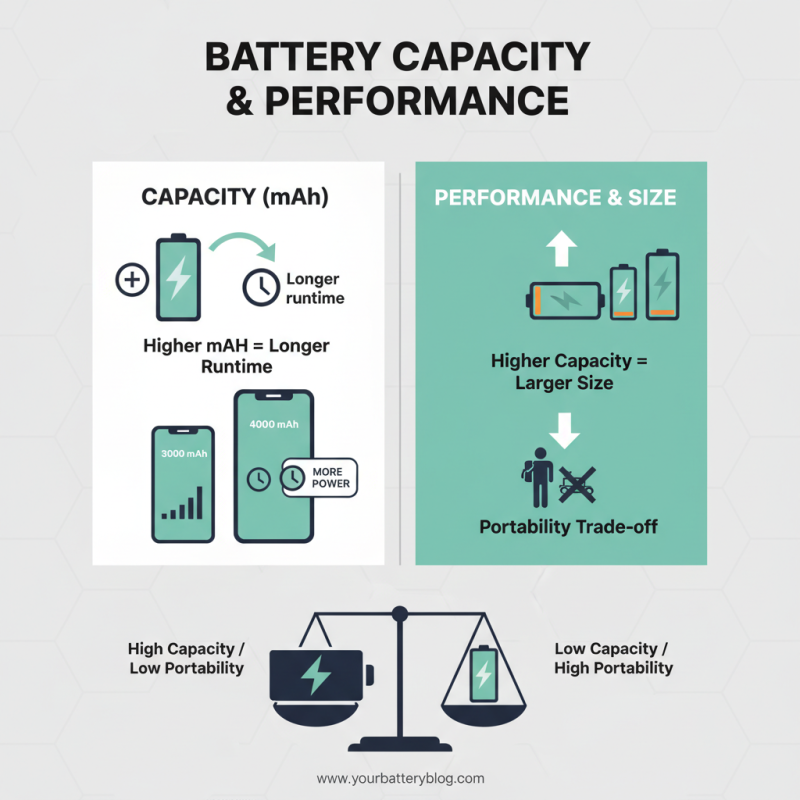
Choosing the right battery involves understanding capacity and performance. Battery capacity is typically measured in milliamp-hours (mAh). A higher mAh rating indicates a longer runtime. However, larger capacity often means a larger battery size, which can affect the device's portability. For example, a smartphone with 4000 mAh lasts longer than one with 3000 mAh.
Performance measures how effectively a battery delivers power. Factors like discharge rates and temperature fluctuations impact this. It’s crucial to consider your usage patterns. Heavy gaming or video streaming drains power faster. In contrast, casual browsing uses less energy. Sometimes, users ignore their specific needs and buy based on marketing.
Compatibility is another essential factor. Not all batteries fit every device type. Using an incompatible battery can result in poor performance or even damage. Researching your device specifications becomes vital. Opting for a battery with both adequate capacity and performance may require time and effort. It’s okay to feel overwhelmed; many people find this choice challenging.
Assessing Lifespan and Reliability of Different Batteries
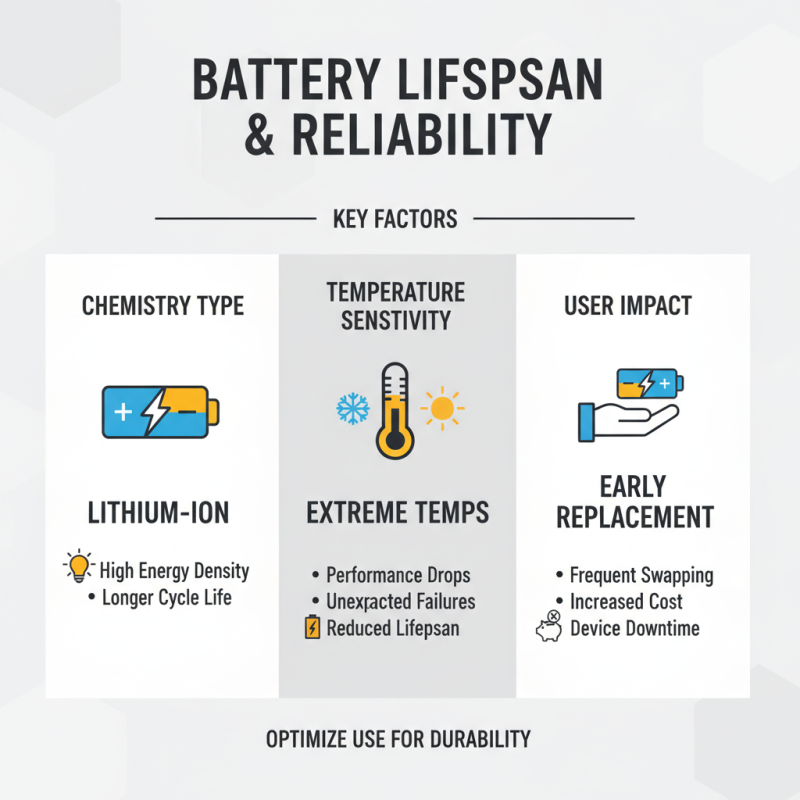
When assessing the lifespan and reliability of batteries, several factors come into play. Understanding the chemistry of different battery types is critical. Lithium-ion batteries are popular for their high energy density and longer lifespan. However, they suffer from performance issues in extreme temperatures. This can lead to unexpected failures, compelling users to replace them sooner than anticipated.
Another aspect to consider is the cycle life of a battery. This refers to how many charge and discharge cycles the battery can handle before its capacity diminishes significantly. NiMH batteries, for example, tend to have a shorter cycle life compared to lithium-ion. Users should also evaluate the self-discharge rate. Some batteries lose charge quickly when not in use. This could mean that even a new battery may not hold a charge for long if left unused.
Be mindful of cost and reliability trade-offs. Cheaper batteries may seem appealing initially, but they often perform poorly over time. Look for user reviews and expert opinions. Personal experience can also guide decision-making. Finding the right battery often involves experimentation. A perfect choice may not always emerge, but each attempt provides valuable insights.
Tips for Eco-Friendly Battery Disposal and Recycling Practices
When disposing of batteries, consider eco-friendly practices. Batteries can harm the environment if not disposed of properly. Many contain toxic materials that leach into soil and water. This poses risks to wildlife and human health alike.
Start by checking local regulations. Some areas have specific guidelines for battery disposal. Look for designated collection spots. Many communities provide drop-off locations for used batteries. These facilities often recycle battery components effectively. It reduces waste and decreases reliance on raw materials.
Get familiar with recycling programs. Some organizations specialize in battery recycling. They ensure proper handling and processing. Remember, not all batteries are the same. Some may require special attention. Always read labels for disposal instructions. By following these practices, you contribute to a cleaner planet. Every small effort counts in reducing battery waste.
Battery Capacity Comparison
This chart displays the capacity (in mAh) of different types of batteries commonly used in devices. Understanding battery capacity is essential for choosing the right battery for your devices and ensuring optimal performance.