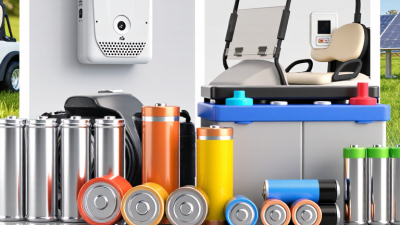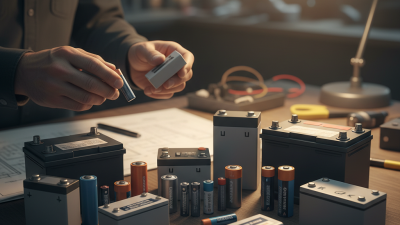
Batteries may look alike on a shelf, but their chemistry changes how they charge, age, and perform. A car starter needs a sharp burst of current. A phone needs compact, lightweight storage. A solar system may need dependable energy after sunset. That is why “battery” is not one simple category. This guide compares ten important types, including lead-acid, nickel-metal hydride, lithium-ion, lithium iron phosphate, sodium-ion, and emerging solid-state designs. Some entries are distinct chemistries; others are lithium-ion subtypes. The distinction matters.
Battery scientist Dr. Shirley Meng’s research points to a useful principle: battery selection means balancing energy density, safety, cost, lifespan, and sustainability. No chemistry wins every test. A high-capacity cell may cost more, while a durable one may be heavier. Real conditions matter. Temperature, charging habits, device design, and recycling options can all affect performance. If you need battery guidance, start with the job the battery must do, not just its advertised capacity. Then compare its operating limits and expected service life. Small details count, like whether a pack must endure cold mornings or daily charging.
The rankings and descriptions ahead are a starting point, not a universal verdict. Battery labels can also be confusing, and product claims deserve a careful look. That is worth remembering. Some technologies are mature and widely available; others remain developing options. By examining their strengths, limitations, and common uses, readers can make a more informed comparison—and ask better questions before choosing.
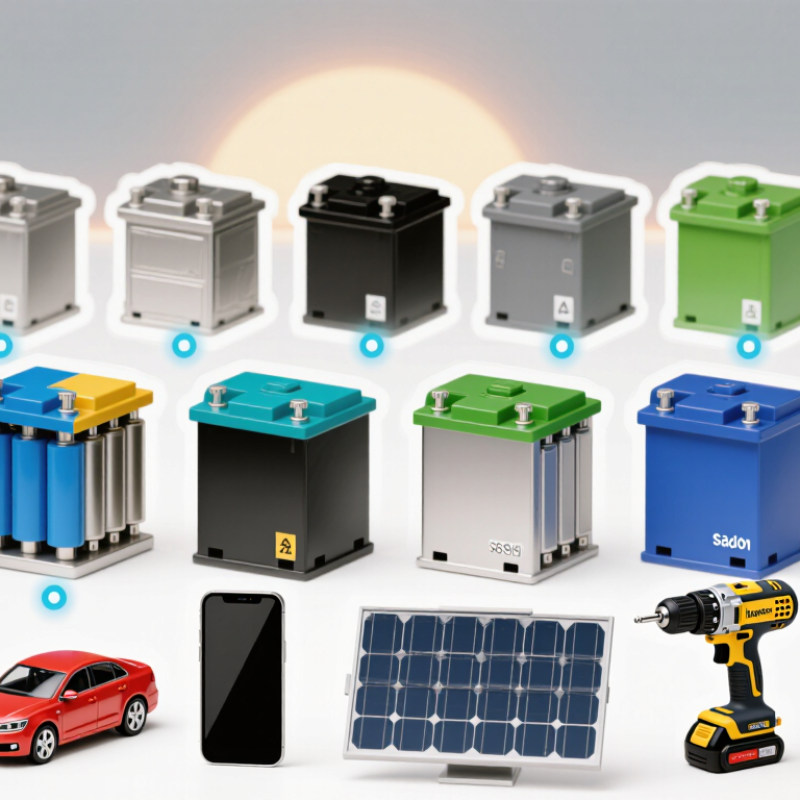
Battery Fundamentals: Chemistry, Cells, and Performance
A battery turns chemical energy into electrical energy through reactions between its electrodes and electrolyte. Different chemistries behave differently. Alkaline cells are common in household devices, while lead-acid batteries often serve starting and backup needs. Lithium-ion cells are valued for high energy in a relatively light package. Chemistry affects voltage, charging behavior, lifespan, and safe operating limits.
A cell is one electrochemical unit; a battery may contain one cell or several connected together. Cells in series raise voltage, while parallel connections can increase capacity. These terms are easy to mix up. Capacity, measured in amp-hours, describes stored charge, but it does not alone tell you how long a device will run. Power demand matters too. A camera flash and a wall clock draw energy very differently. Heat changes everything. High temperatures can speed aging, while cold conditions may temporarily reduce available performance.
Tips: Check the device’s required voltage and battery chemistry before replacing a cell. Use the specified charger for rechargeable types, and avoid mixing old and new cells. Store batteries away from heat and moisture. Small details matter. Even careful comparisons can be imperfect: real runtime varies with temperature, age, and the device’s load.

Primary batteries are designed for one discharge cycle, but their chemistries suit different jobs. Alkaline cells handle toys, clocks, and household remotes well, especially when the load changes. Zinc–carbon cells are often chosen for low-drain devices such as a wall clock. Their lower cost can be useful, though performance may fade sooner under heavier use. Small detail, big difference: a camera flash can strain a zinc–carbon cell far more than a clock does.
Lithium primary cells cover several designs, including compact coin cells and higher-drain cylindrical cells. They can retain charge during long storage, making them useful in sensors and emergency equipment. The USGS Mineral Commodity Summaries 2025 estimates global lithium mine production reached 240,000 metric tons in 2024, excluding U.S. output. That figure describes raw material, not battery production—a distinction easy to miss. Zinc–air cells use oxygen from the surrounding air, making them common in compact hearing devices. Their air openings must remain unobstructed, and activation begins when the seal is removed.
IEC 60086-2:2021 sets performance tests for portable primary cells. Its framework matters because a capacity figure depends on discharge rate and test conditions. Not so simple. Comparing labels alone can mislead: a cold outdoor sensor and a warm indoor remote may draw very different usable energy from the same cell type. Temperature, storage age, and device load all deserve a place in the choice.
Rechargeable batteries differ in cost, weight, maintenance, and how they deliver power. Lead–acid batteries are heavy but can provide strong starting current and suit backup systems. Flooded models need ventilation and periodic electrolyte checks; sealed versions reduce routine maintenance, not the need for correct charging. They are heavy. Over-discharging can shorten their service life, a detail easy to overlook.
Nickel–cadmium (NiCd) batteries tolerate demanding conditions and many charge cycles, but contain toxic cadmium and require careful recycling. Nickel–metal hydride (NiMH) avoids cadmium and often stores more energy than comparable NiCd cells, though some models lose charge noticeably while sitting unused. Handle with care. Lithium-ion batteries offer high energy density and low weight, making them common in portable devices and vehicles. The term covers several chemistries, so performance and charging limits vary. A suitable battery-management system helps monitor voltage and temperature; it does not make damaged cells harmless. A practical comparison can feel untidy: the lightest option is not always the best fit, and operating temperature, charging habits, and replacement cost matter as much as capacity. Reading the device’s specifications is a useful starting point.
| Battery type | Rechargeable? | Typical nominal cell voltage | Typical specific energy | Typical cycle life | Key characteristics and common uses |
|---|---|---|---|---|---|
| Lead–acid | Yes | About 2.0 V | About 30–50 Wh/kg | About 200–1,000 cycles | Low cost and capable of high current, but heavy. Common in vehicle starting, backup power, and uninterruptible power supplies. |
| Nickel–cadmium (NiCd) | Yes | About 1.2 V | About 40–60 Wh/kg | About 1,000–2,000 cycles | Durable and tolerant of high discharge rates and low temperatures. Cadmium is toxic, so collection and recycling are important. |
| Nickel–metal hydride (NiMH) | Yes | About 1.2 V | About 60–120 Wh/kg | About 300–1,000 cycles | Higher capacity than many NiCd cells and avoids cadmium. Used in household rechargeable cells and some hybrid vehicles. |
| Lithium-ion (conventional) | Yes | About 3.6–3.7 V | About 150–250 Wh/kg | About 500–1,500 cycles | High energy for its weight and low self-discharge. Used in phones, laptops, and many electric vehicles; requires suitable protection and charging controls. |
| Lithium iron phosphate (LFP) | Yes | About 3.2 V | About 90–160 Wh/kg | About 2,000–6,000 cycles | A lithium-ion chemistry known for long cycle life and good thermal stability. Used in stationary storage and some electric vehicles. |
| Lithium titanate (LTO) | Yes | About 2.3–2.4 V | About 50–100 Wh/kg | About 5,000–20,000 cycles | Supports fast charging and very high cycle life, with lower energy density than many lithium-ion types. Used in demanding transport and storage applications. |
| Alkaline | Usually no | About 1.5 V | About 80–150 Wh/kg | Not applicable | Widely available primary cells with good shelf life. Common in remotes, toys, flashlights, and other everyday devices. |
| Zinc–carbon | No | About 1.5 V | About 30–60 Wh/kg | Not applicable | An economical primary-cell chemistry best suited to low-drain devices such as clocks and simple remote controls. |
| Lithium primary | No | About 1.5–3.0 V, depending on chemistry | About 200–500 Wh/kg | Not applicable | Often offers high energy and long shelf life. Used in cameras, sensors, and other devices needing long-lasting primary cells. |
| Silver oxide | No | About 1.55 V | About 100–150 Wh/kg | Not applicable | Provides stable voltage in compact button-cell formats. Commonly used in watches, calculators, and small instruments. |
Values are approximate cell-level ranges; actual performance varies with cell design, temperature, discharge rate, charging conditions, and test method.
Silver-oxide batteries are small primary cells, often found in watches, calculators, and compact measuring devices. They provide a steady voltage as they discharge, which helps sensitive electronics operate consistently. Their button-shaped cases fit tight spaces, but capacity and size vary. A small cell may look interchangeable with another; checking the device specifications matters. These batteries are not rechargeable, and used cells should be handled according to local collection guidance. Convenient, but not endlessly reusable.
Flow batteries suit a very different job. Their energy is stored in liquid electrolytes held in external tanks, then pumped through an electrochemical stack to deliver power. Increasing tank volume can increase storage duration, while stack size helps determine output power. This design makes them useful for stationary energy storage, including systems that pair with variable renewable generation. They need space, pumps, and ongoing system checks. The engineering is elegant, though it can seem less simple once maintenance enters the picture.
Tips: Match silver-oxide cell dimensions and voltage to the device manual; don’t rely on appearance alone. For flow systems, ask about electrolyte handling, pump upkeep, and usable storage duration. These details are easy to overlook.
Battery choice depends on cost, lifespan, safety, and the job. Alkaline and zinc-carbon cells cost little upfront, but they are disposable and suit low-drain devices like clocks. Primary lithium cells last longer in storage and perform well in cold weather, though they cost more. Rechargeable lithium-ion packs offer high energy in a light package, while lithium iron phosphate often lasts through more cycles and handles heat more calmly. Neither chemistry is risk-free; use the charger specified for the battery.
For rechargeable options, nickel-metal hydride works well in household devices and avoids frequent disposable-cell purchases. Nickel-cadmium tolerates repeated cycling but requires careful disposal. Lead-acid batteries are inexpensive for backup power, yet heavy and sensitive to deep discharge. Nickel-iron can last a long time, but its lower efficiency and maintenance needs are easy to overlook. Sodium-ion is emerging as a lower-cost option, though availability and performance vary. There is no universal winner.
Tips: Compare total cost over the expected service life, not just the shelf price. Check the device’s voltage and current needs. Store batteries away from heat, and stop using swollen or damaged cells. Small details matter.
Northeast Battery, a Stored Energy Holdings, Inc. Company