China Top Coupler Fitting Manufacturers for Global Buyers
China has become a major sourcing destination for Coupler Fitting products used in agriculture, construction, hydraulics, and industrial equipment. Global buyers now expect more than competitive pricing. They need stable dimensions, clean threads, reliable seals, and documented pressure performance. A small fitting can stop a large machine. That detail matters.
Hydraulic engineering consultant James D. Sutherland once said, “A coupling earns trust through repeatable performance, not attractive promises.” This principle remains valuable when comparing Chinese manufacturers. Experienced suppliers usually provide material certificates, dimensional inspection records, batch traceability, and pressure-test results. Their factories may use CNC machining, automated assembly, and zinc or nickel plating. Buyers should still request samples. Polished catalogs cannot replace physical inspection.
The strongest Coupler Fitting manufacturers understand international requirements and application differences. They can discuss ISO 7241, ISO 5675, thread standards, seal compounds, working pressure, and temperature limits. They should also explain how products perform with oil, water, dust, vibration, and frequent connection cycles. Ask for failure data when possible. Ask again when answers remain vague.
The picture is not always tidy. Some factories excel at custom machining but lack consistent quality control. Others offer strong testing but limited engineering support. Global buyers must compare the complete supply chain, not only the unit price. Factory audits, pilot orders, and clear acceptance criteria reduce avoidable surprises. Even careful buyers can miss a small tolerance issue. That is why this guide examines leading Chinese Coupler Fitting manufacturers, their capabilities, certifications, production experience, and suitability for demanding international applications.
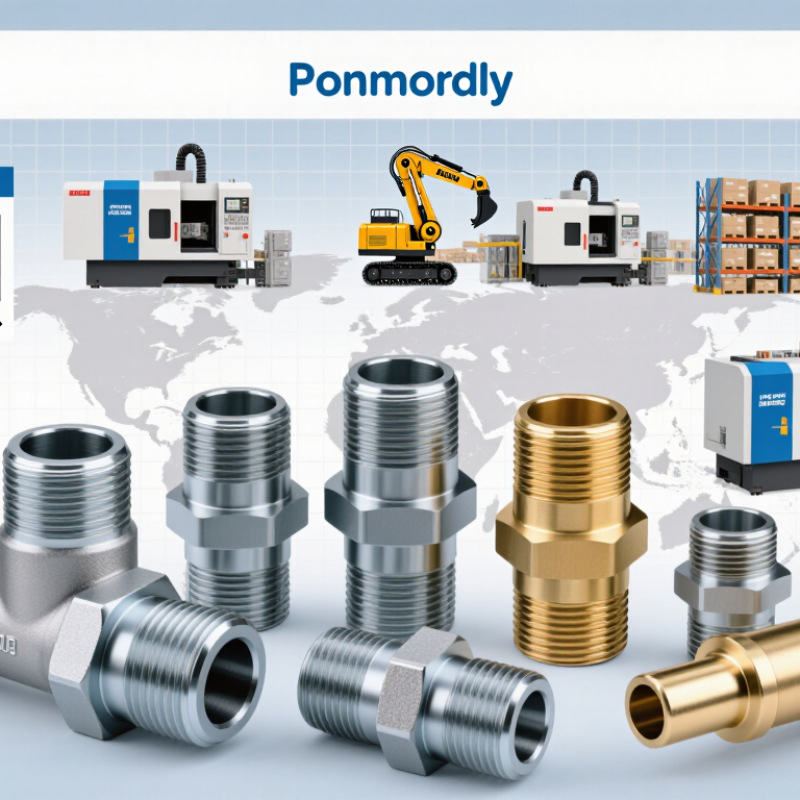
Coupler Fittings: Definition, Functions, and Main Applications
Coupler fittings are mechanical connectors that join two pipes, hoses, or tubes. They create a continuous flow path between separate sections. Depending on the design, a coupler may use threads, compression rings, sockets, or quick-release mechanisms. The right connection reduces leakage, vibration, and installation time. Small details matter.
In practical installations, couplers support water lines, pneumatic equipment, hydraulic systems, agricultural machinery, and industrial process piping. Stainless steel versions suit corrosive environments, while brass and engineered plastics serve lighter-duty applications. A hydraulic coupler must tolerate pressure surges and repeated connection cycles. A pneumatic coupler needs reliable sealing under frequent air movement. Poor alignment can damage seals faster than expected.
When evaluating coupler fitting manufacturers in China, global buyers should review material certificates, dimensional reports, pressure-test records, and production traceability. Experienced suppliers can explain thread standards and recommend suitable sealing methods. Sample testing remains essential, even when drawings appear correct. I have seen fittings pass visual checks but fail after temperature cycling. That weakness deserves attention. Buyers should also confirm machining tolerances, surface treatment, packaging protection, and inspection frequency before placing larger orders. Clear technical communication often prevents costly fitting errors.
Key Materials and Manufacturing Standards for Coupler Fittings
For global buyers, coupler fitting quality begins with material discipline. Carbon steel suits general pressure service, while stainless steel better resists moisture, chemicals, and temperature changes. ASTM A105 covers forged carbon steel fittings, and ASTM A182 covers forged alloy and stainless components. ASME B16.11 defines dimensions for threaded and socket-welding fittings. These standards help, but they do not replace inspection.
China remains central to steel supply. The World Steel Association reported China produced about 1.02 billion tonnes of crude steel in 2023. This scale supports varied grades and stable sourcing, yet it can also create inconsistent traceability between mills. Buyers should request heat numbers, chemical analysis, mechanical test results, and EN 10204 3.1 inspection certificates. A polished certificate is not enough.
Factory control matters at the fitting stage. Dimensional checks should cover thread profile, wall thickness, and sealing surfaces. Hydrostatic testing can reveal leakage that visual inspection misses. PMI testing confirms alloy identity, especially for stainless couplers. The ISO Survey 2022 recorded more than 1.26 million ISO 9001 certificates worldwide, showing the value of structured quality systems. Still, ISO 9001 does not guarantee every batch is perfect. Audits, sample testing, and clear acceptance criteria remain necessary. Some specifications are easily overlooked. Temperature cycling and repeated connection tests deserve more attention than catalogs usually show.
Selection Guide for Global Coupler Fitting Buyers
Global buyers should evaluate coupler fitting suppliers through evidence, not catalog claims. MarketsandMarkets projected the global fluid power market to grow from about USD 45.5 billion in 2023 to USD 58.9 billion by 2028. This expansion increases supplier choices, but also raises quality risks.
Check pressure ratings, flow capacity, temperature range, sealing materials, and connection standards before requesting quotations. ISO 7241 covers hydraulic quick-action couplings, while ISO 16028 addresses flat-face designs. Ask manufacturers for pressure-test records, material certificates, dimensional reports, and batch traceability. A clear drawing matters.
Factory audits reveal practical differences. Inspect machining tolerance, cleaning procedures, storage conditions, and final inspection equipment. Request samples from the same production line, not special prototypes. I have seen buyers focus on unit price and overlook replacement seals, freight packaging, and testing fees. That approach often fails.
Grand View Research reported steady growth in the hydraulic fittings market, with an estimated compound annual growth rate near 5% through 2030. Buyers should therefore assess production capacity and lead-time stability, not only current pricing. Confirm minimum order quantities, inspection methods, warranty terms, and export documentation. A small trial order can expose thread errors, leakage, or inconsistent plating before larger commitments.
China Top Coupler Fitting Manufacturers for Global Buyers: Pressure Conversion Guide
Hydraulic coupler buyers should compare working pressure using the same unit before reviewing size, sealing method, material, and connection standard. The chart converts bar to psi using the exact relationship 1 bar = 14.5037738 psi.
Reference only: these are mathematical pressure conversions, not manufacturer ratings. Always verify the rated working pressure, peak pressure, temperature range, and applicable standard in the supplier’s technical datasheet.