
Choosing reliable Chrome Plated Valve manufacturers requires more than comparing catalog prices. Global buyers must examine material quality, plating thickness, pressure ratings, and production consistency. These details affect service life in water systems, chemical processing, oil equipment, and industrial pipelines.
This guide introduces manufacturers with practical experience in chrome-plated valve production and international supply. It considers factory capability, inspection procedures, certifications, customization support, and export performance. A dependable supplier should provide traceable raw materials, dimensional reports, pressure-test records, and clear technical documentation. Small details matter. A clean threaded connection can prevent costly installation problems.
The selected companies are not ranked as universally perfect. Performance varies by valve type, operating temperature, media, and project requirements. Some manufacturers may excel in heavy-duty applications, while others offer better flexibility for smaller orders. Buyers should verify current certifications and request samples before signing major contracts. That step is often overlooked. It should not be.
Real purchasing decisions also involve communication, lead times, spare parts, packaging, and after-sales support. A polished surface may look impressive, but internal sealing performance matters more. Buyers should ask how each manufacturer controls coating adhesion, corrosion resistance, machining accuracy, and final assembly. This overview aims to support careful supplier evaluation through practical industry criteria, not unsupported marketing claims. When specifications are unclear, further technical review is necessary. Reliability begins with evidence.
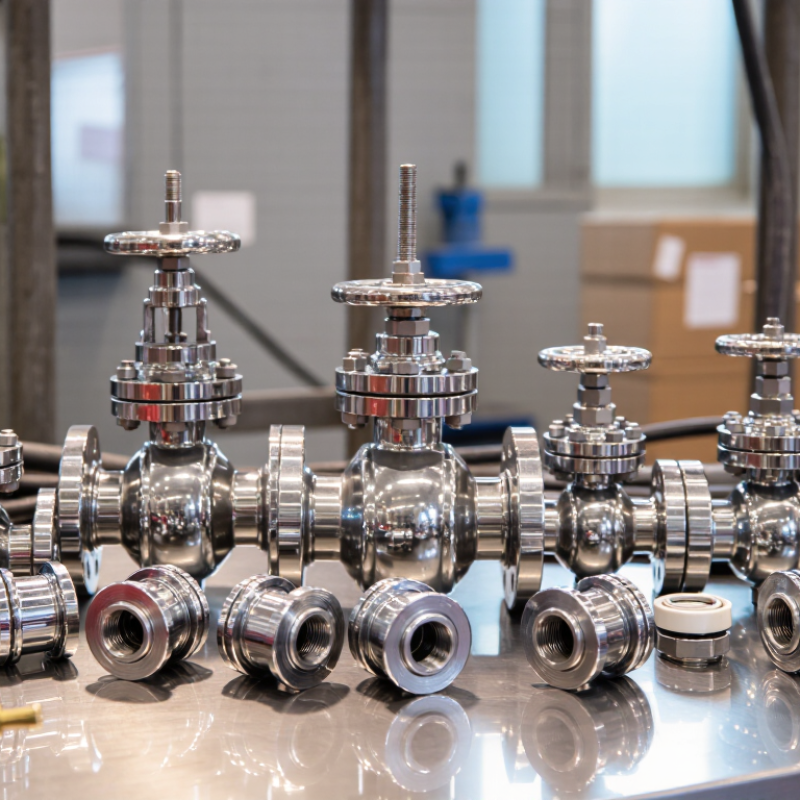
Chrome-plated valves are metal valves covered with a thin chromium layer, often over nickel. The coating creates a hard, smooth surface. It helps resist abrasion, staining, and moderate corrosion.
The finish also reduces surface roughness around the stem and exposed hardware. That detail matters in dusty workshops, water systems, and frequent-cleaning environments. The NACE IMPACT study estimated global corrosion costs at about 3.4% of worldwide GDP. This figure explains why buyers examine surface protection before purchasing valves. A durable coating may reduce cleaning, replacement, and unplanned maintenance costs.
Buyers also choose chrome plating for its clean appearance and consistent operation. The U.S. Geological Survey’s Mineral Commodity Summaries 2024 continues tracking chromium as an important industrial material. Supply conditions can affect coating costs and delivery schedules. Therefore, responsible buyers should verify coating thickness, base metal, adhesion, and test records.
Chrome is not a cure-all. It may fail in severe chemical exposure, poor preparation, or repeated impact. A bright surface can hide weak edge coverage. That is an easy mistake. Procurement teams should match the valve to pressure, temperature, fluid chemistry, and cleaning methods. Ask for salt-spray results where relevant, while remembering that laboratory tests do not perfectly copy field conditions. In practice, a modestly specified valve with traceable inspection records can outperform a shinier product with vague documentation.
Top Chrome Plated Valve Manufacturers for Global Buyers
Global buyers should evaluate valve manufacturers through documented performance, not surface appearance alone. Grand View Research valued the global industrial valves market at approximately USD 78.7 billion in 2023. Its forecast indicates continued growth through 2030. This expansion increases supplier choices, but also increases quality variation. A polished chrome finish can hide weak adhesion, uneven plating, or poor machining. Ask for coating thickness records, substrate details, and batch traceability.
Pressure performance deserves equal attention. ISO 5208 defines pressure-testing methods for industrial valves, while API 598 provides widely used inspection and test requirements. ASME B16.34 addresses pressure-temperature ratings and material expectations. For chrome-plated surfaces, ISO 1456 and ASTM B456 help assess nickel-chromium and related electrodeposited coatings. Request test certificates from accredited laboratories, not only internal declarations. The valve should also match the intended fluid, temperature, pressure, and cycling frequency.
Manufacturing discipline matters. ISO 9001 certification can indicate controlled processes, but it does not prove every valve is reliable. Review calibration records, nonconformance reports, welding controls, and final inspection photographs. I would inspect sample threads, stem movement, and sealing faces before approving a large order. Small defects matter. According to Fortune Business Insights, infrastructure and process industries remain major demand drivers for industrial valves. That makes after-sales support, spare-part availability, and clear warranty terms practical evaluation criteria. No checklist is perfect. Field feedback may expose weaknesses that certificates miss.
| Evaluation Dimension | Relevant Standard or Method | What Global Buyers Should Verify | Evidence to Request | Importance for Chrome-Plated Valves |
|---|---|---|---|---|
| Quality Management | ISO 9001 | A documented quality management system covering design, purchasing, machining, plating, inspection, nonconformance control, and corrective actions. | Valid certificate, certification scope, issuing body, expiry date, and recent audit status. | Helps demonstrate repeatable production controls, but does not by itself prove valve or coating performance. |
| Valve Design and Pressure Rating | ASME B16.34 | Pressure–temperature rating, materials, wall thickness, end connections, bolting, marking, and design limitations appropriate to the selected valve type. | Approved drawings, pressure class or PN designation, material specifications, and design calculation records where applicable. | Confirms that the valve body and pressure-retaining parts are designed for the intended service conditions. |
| Pipeline Valve Qualification | API 6D / ISO 14313 | Applicability to pipeline gate, ball, plug, and check valves; design, manufacturing, testing, documentation, and marking requirements. | Product certificate, type designation, test records, and confirmation that the certificate covers the supplied valve configuration. | Important for oil, gas, and pipeline projects where a recognized pipeline valve standard is specified. |
| Pressure and Leakage Testing | API 598 or ISO 5208 | Shell test, seat test, test pressure, test duration, leakage rate, test medium, and acceptance level specified for the valve design. | Signed inspection and test report showing valve identification, applied pressure, duration, leakage result, and inspector approval. | Chrome plating cannot compensate for poor seat geometry, damaged sealing surfaces, or inadequate pressure testing. |
| Chrome Coating System | ISO 1456 | Type of electrodeposited nickel and chromium coating, substrate preparation, coating designation, service environment, and specified coating thickness. | Coating specification, plating process sheet, surface-preparation procedure, and coating designation stated on the purchase order or drawing. | Chrome appearance alone is not sufficient; the complete coating system and intended environment must be defined. |
| Coating Thickness Verification | ASTM B568 or ASTM B487 | Measured coating thickness at functional and representative locations, including edges, bores, sealing surfaces, and high-wear areas where accessible. | X-ray fluorescence report or metallographic cross-section report with instrument calibration and measurement locations. | Adequate and uniform thickness supports wear resistance and dimensional control; the required value must be agreed for each application. |
| Coating Adhesion and Surface Condition | Approved coating procedure; project-specific adhesion test | No blistering, peeling, flaking, exposed substrate, excessive roughness, visible cracks, or plating defects that could affect sealing or operation. | Visual inspection record, surface-finish readings where specified, adhesion test results, and nonconformance reports. | Poor adhesion can cause particles, corrosion sites, dimensional changes, and premature damage to seats or mating parts. |
| Corrosion Resistance | ASTM B117 or ISO 9227 | Whether neutral salt spray testing is required, the exposure duration, specimen preparation, and the agreed rating or failure criteria. | Laboratory test report identifying coating system, test duration, specimen condition, and evaluation method. | Salt spray results are comparative evidence and should not be treated as a direct prediction of every field environment. |
| Sour-Service Materials | NACE MR0175 / ISO 15156 | Material suitability for hydrogen sulfide-containing oil and gas environments, including hardness, metallurgy, heat treatment, and environmental limits. | Material certificates, hardness results, heat-treatment records, and a written compliance statement for the specified service. | Chrome plating does not automatically make a valve suitable for sour service; base materials and operating conditions remain critical. |
| Fugitive Emissions | ISO 15848-1 or ISO 15848-2 | Stem or shaft sealing performance, test medium, temperature, mechanical cycles, and leakage classification required by the project. | Type-test report or production test record identifying packing, seal arrangement, temperature, cycles, and measured leakage. | Relevant for chemical, petrochemical, and other facilities where valve emissions are regulated or tightly controlled. |
| Traceability and Documentation | EN 10204 inspection documents | Traceability from heat number and raw material through machining, heat treatment, plating, inspection, assembly, and final testing. | Material certificates, heat-treatment charts, plating records, dimensional inspection reports, pressure-test reports, and final data book. | Complete records make future maintenance, failure analysis, and regulatory review more reliable. |
| Dimensional Interchangeability | ASME B16.10; ASME B16.5 or ASME B16.47 where applicable | Face-to-face or end-to-end dimensions, flange dimensions, bolt-hole layout, pressure class, and compatibility with connected equipment. | Dimensioned drawings, inspection report, flange standard, and dimensional certificate for the supplied batch. | Correct dimensions reduce installation problems and prevent field modification that could damage the coating or pressure boundary. |
| International Marking and Identification | MSS SP-25; applicable product standard | Clear marking of size, pressure class or rating, material, flow direction where required, manufacturer trace code, and applicable conformity information. | Marking photographs, nameplate details, traceability procedure, and sample identification records. | Accurate identification supports receiving inspection, installation, maintenance, and replacement planning across international sites. |
| Production Capacity and Delivery Control | Contract-specific quality plan and inspection plan | Available machining and plating capacity, subcontractor control, batch size capability, lead-time assumptions, inspection resources, and contingency planning. | Manufacturing schedule, quality plan, inspection and test plan, capacity statement, and documented subcontractor controls. | A technically capable supplier must also deliver consistent batches within the required schedule and documentation format. |
Chrome-plated valve manufacturers differ greatly in product capability, not just surface appearance. Experienced suppliers typically produce ball, gate, globe, check, and hydraulic valves for demanding industrial systems. Their facilities should support controlled machining, chrome plating, assembly, and pressure testing under one quality system. This reduces variation between batches. It also improves traceability.
A capable manufacturer can recommend suitable steel, sealing materials, plating thickness, and connection standards for each application. Ask for test records, coating inspection data, dimensional reports, and material certificates. Chrome plating should resist corrosion, wear, and repeated handling, but it is not a universal solution. Temperature, fluid chemistry, pressure cycles, and installation conditions still matter. I have seen attractive valves fail because the seal material was chosen too quickly. That detail deserves more attention.
Tips: Compare production capacity with your order size. Confirm sample approval procedures before mass production. Check whether the supplier can provide drawings, spare parts, and technical support. A factory may offer many valve types but lack deep expertise in one critical product. Request clear tolerances and inspection points. Small gaps in communication become expensive later. Also review export packaging, labeling, and documentation for your destination market. No supplier is perfect. The best choice is usually the one that explains limitations openly and supports measurable quality control.
When comparing chrome plated valve manufacturers, start with the base metal. Stainless steel resists moisture better than carbon steel, while ductile iron can reduce purchase cost. Ask for the exact grade, heat-treatment record, and EN 10204 3.1 material certificate. The chrome layer also matters. Request coating thickness, adhesion results, surface hardness, and porosity test methods. A shiny finish is not proof of durability.
Certification should match the service, not merely decorate a quotation. API 598 supports pressure-testing practices, while API 6D applies to many pipeline valve designs. ISO 9001 certification can show controlled production, but it does not guarantee every valve performs well. The AMPP/NACE IMPACT study estimated global corrosion costs at 2.5 trillion US dollars annually, equal to about 3.4% of global GDP. That figure makes coating quality a financial issue, not just a cosmetic choice. Still, coating selection alone cannot fix poor machining or contaminated water.
Tips: Compare landed cost, not unit price. Include inspection, spare parts, testing, freight, and replacement risk. Ask suppliers for recent test reports and sample photographs. Confirm whether quoted prices include chrome thickness verification. In practice, the lowest offer often hides exclusions. I have seen buyers overlook gasket compatibility. That mistake can erase the savings within months. Also, supplier claims should be independently checked. A certificate without traceable records deserves caution. Pricing remains imperfect, because service life is difficult to predict.
Selecting an international chrome-plated valve supplier requires more than comparing prices. Start by defining the valve type, pressure rating, media, temperature range, and connection standard. Request drawings, material certificates, plating specifications, and pressure-test records. A reliable supplier should explain its inspection process clearly.
Review production experience in your target application. Ask how the supplier controls chrome thickness, surface adhesion, sealing performance, and corrosion resistance. Sample testing matters. Inspect threads, handles, machining marks, and finish consistency under strong light. Ask for independent laboratory reports when performance claims seem unclear. Strong evidence beats attractive catalog images.
Check export capability before placing a large order. Confirm packaging methods, labeling, lead times, spare-part support, and communication practices. Traceability is essential; each batch should connect to inspection records and raw-material documentation. A factory visit or live video audit can reveal process details that sales documents omit. I once trusted a polished sample too quickly, then noticed inconsistent plating on the production batch. That mistake changed my evaluation method. Small trial orders are wiser than immediate bulk commitments. Ask difficult questions. Notice vague answers. A dependable supplier accepts technical scrutiny and corrects weaknesses openly.
Northeast Battery, a Stored Energy Holdings, Inc. Company