Top Deep Cycle Battery Options for 2026 Buyers Guide?
As technology advances, the demand for reliable energy storage solutions increases. The battery deep cycle market has seen significant growth. This guide aims to shed light on the top options available for 2026 buyers.
When choosing a deep cycle battery, it's essential to consider various factors. Different batteries serve unique purposes. Lead-acid batteries are popular due to their affordability and reliability. However, lithium-ion batteries offer longer life and efficiency. It can be overwhelming to choose the right type.
Understanding your specific needs is crucial. What will you use the battery for? Recreational vehicles? Solar power storage? The answer influences your choice significantly. Each type of battery deep cycle has its strengths and weaknesses. Therefore, evaluating them is a process of trial and error. It may take time to find the perfect fit for your requirements. Your choice reflects not just a purchase, but a commitment to sustainable energy use.
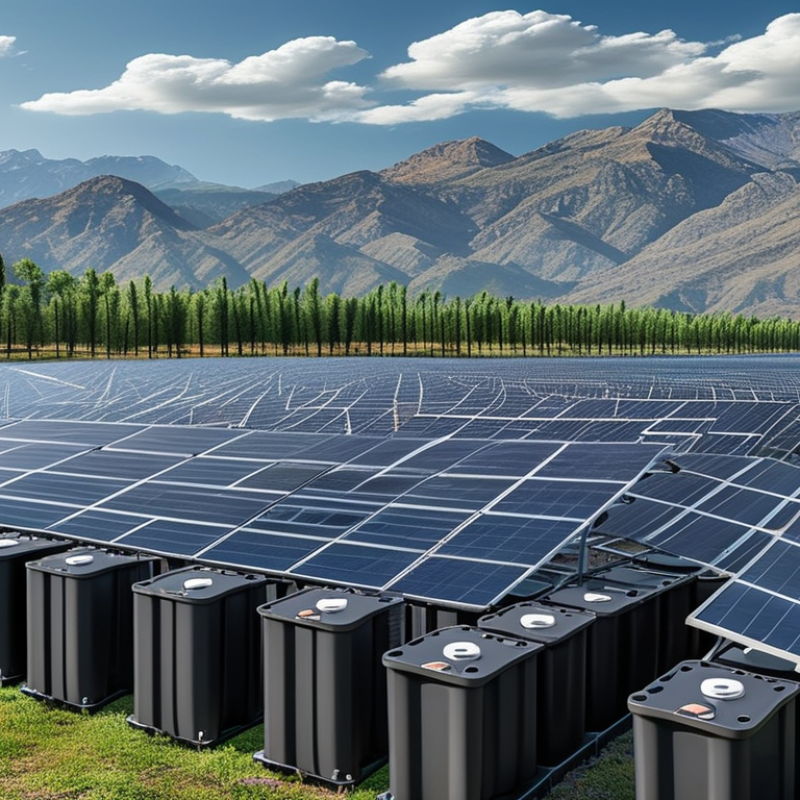
Overview of Deep Cycle Batteries and Their Applications
Deep cycle batteries are crucial for various applications. They are designed to be discharged and recharged repeatedly. Unlike starter batteries, deep cycle batteries provide sustained power over long periods. This makes them ideal for solar energy systems, recreational vehicles, and marine applications. They're built to endure greater depths of discharge. This resilience allows for longer operating periods without damage.
One important aspect to consider is the type of deep cycle battery. There are flooded lead-acid, gel, AGM, and lithium options. Each type has its advantages and weaknesses. Flooded batteries tend to require regular maintenance and are sensitive to temperature. Gel batteries offer less maintenance but can be more expensive. Lithium batteries have become popular due to their energy density and longer lifespan. However, their upfront cost is significantly higher.
Choosing the right battery requires thoughtful consideration. Users must evaluate their power needs and usage patterns. Understanding your application helps in selecting an appropriate battery type. Some users might overlook the importance of battery management systems. A good system protects against overcharging and undercharging. A poorly managed battery can lead to reduced performance. It's essential to rethink common misconceptions surrounding deep cycle batteries.
Key Features to Consider When Selecting a Deep Cycle Battery
When selecting a deep cycle battery, it’s essential to consider several key features. Capacity is one of the most critical aspects. Measured in amp-hours (Ah), this indicates how much energy the battery can store. A higher capacity means longer runtimes, which is vital for applications like RVs or solar systems. Buyers should also pay attention to the battery's voltage compatibility. Ensure it matches your system to avoid performance issues.
Another important feature is the type of deep cycle battery. Lead-acid, lithium, and AGM batteries have different characteristics. Lithium batteries are lighter and can discharge deeper, yet they are often pricier. On the other hand, lead-acid batteries are more affordable but may require more maintenance. Evaluating the trade-offs is crucial. Your choice should align with your specific needs and usage frequency.
Durability and lifespan are also noteworthy considerations. A battery’s cycle life tells you how many times it can be charged and discharged. Look for options with longer cycle lives for cost-effectiveness. Additionally, weight can influence installation and portability. A lighter battery is easier to handle but may not provide as much energy. Assessing these factors will help you make a more informed decision.
Top Deep Cycle Battery Options for 2026 Buyers Guide
| Battery Type |
Capacity (Ah) |
Voltage (V) |
Cycle Life |
Weight (lbs) |
Price Range ($) |
| AGM |
100 |
12 |
750 |
65 |
150-250 |
| Gel |
120 |
12 |
600 |
70 |
180-300 |
| Lithium |
200 |
12 |
5000 |
50 |
800-1200 |
| Flooded Lead Acid |
130 |
6 |
300 |
90 |
200-400 |
Top Deep Cycle Battery Brands to Consider in 2026
When considering deep cycle batteries in 2026, various brands stand out. It's essential to understand the differences in their performance and reliability. Recent industry reports suggest that lithium-ion batteries are gaining popularity due to their longer lifespan and faster charging capabilities. The International Battery Association noted that these batteries can last between 10 to 15 years, making them a cost-effective choice for many applications.
However, some traditional lead-acid battery brands still hold significant market share. They're often preferred for their affordability. A 2023 market analysis revealed that lead-acid batteries account for about 45% of the deep cycle battery market due to their reliability and easier disposal. Yet, this doesn't mean they are without drawbacks. Their lifespan usually ranges from 3 to 7 years, which may lead buyers to reconsider long-term costs associated with replacements.
Manufacturers are also focusing on eco-friendly designs. Many brands are innovating their products to reduce environmental impact. This shift aligns with the global push for sustainability. Prospective buyers should weigh the benefits of advanced technology against the tried-and-true options. Ultimately, the best choice does depend on individual needs and usage patterns.
Comparative Analysis of Battery Technologies: AGM vs. Li-ion
When considering deep cycle batteries for 2026, a comparative analysis of AGM (Absorbent Glass Mat) and Li-ion (Lithium-ion) technologies is essential. AGM batteries are known for their durability and maintenance-free operation. They typically have a lifespan of around 5-10 years and can withstand multiple discharge cycles. In contrast, Li-ion batteries offer higher energy density and lighter weight, often lasting 10-15 years under optimal conditions. According to a recent industry report by Navigant Research, Li-ion batteries have a cycle efficiency of 90-95% compared to AGM's 80-85%.
Choosing the right battery depends on use cases. For marine applications, AGM may be preferable due to resistance to vibration and spill-proof design. For solar systems or electric vehicles, Li-ion is often the better choice, thanks to its quick charging capabilities. However, the initial cost for Li-ion batteries is considerably higher, which can be a hurdle.
**Tips:** When selecting a battery, think about weight and space. Li-ion might save space but weigh more. Consider future energy needs too. A mismatch can lead to inefficiency. Keeping a check on temperature and discharge rate can help prolong battery life.
Comparative Analysis of AGM vs. Li-ion Deep Cycle Batteries
This chart compares the performance characteristics of AGM and Li-ion deep cycle batteries in key metrics such as lifespan, discharge efficiency, weight, and cost.
Maintenance Tips for Prolonging the Life of Deep Cycle Batteries
Maintaining deep cycle batteries is crucial for maximizing their lifespan. Regular checks on battery terminals can prevent corrosion. A simple wipe with a mixture of baking soda and water can help. Ensuring terminal connections are tight also prevents power loss during usage.
Proper charging practices significantly extend battery life. Avoid deep discharges; try to recharge after using about 50% of the capacity. Monitoring the charging cycle is essential. Overcharging can lead to excessive heat, damaging the internal components. Use a smart charger designed for deep cycle batteries.
Temperature control is another factor. Batteries should be stored in a cool, dry place. Extreme heat can accelerate wear. Conversely, cold temperatures can reduce performance. Regularly checking fluid levels in flooded batteries is also important. Low fluid levels can lead to sulfation and decreased efficiency. Reflect on your usage patterns to improve battery care.