
Choosing a plastic enclosure supplier is rarely a simple price comparison. Global buyers need protection, repeatability, documentation, and practical communication. This guide examines leading manufacturers through those purchasing realities. It considers material selection, mold capability, sealing performance, customization, and production scale. A strong supplier should explain why polycarbonate suits one project, while ABS fits another. That explanation matters more than a polished catalog. Small details matter. A lid gap can invite dust. A weak boss can increase assembly time.
The manufacturers discussed here serve varied applications, including industrial controls, sensors, outdoor electronics, medical equipment, and connected devices. Their performance should be judged against the enclosure’s environment, not marketing language alone. Buyers should request samples, drawings, tolerance data, and relevant test reports before approving production. IP protection, UV resistance, flame performance, and impact strength may require independent verification. Regional compliance expectations also differ, so technical claims need careful review. No ranking is perfect. Supplier strengths change by volume, region, and project complexity.
This overview aims to make that evaluation more grounded and useful. It highlights manufacturing experience, engineering support, quality systems, lead-time discipline, and after-sales responsiveness. Reliable manufacturers communicate limitations early. They also document revisions instead of hiding them. That is where confidence grows. Still, a shortlist is only a starting point. Buyers should compare landed cost, tooling ownership, inspection plans, packaging, and replacement support. A thoughtful decision protects more than electronics; it protects launch schedules and customer trust. The best Plastic Enclosures partner is not always the largest name. It is the manufacturer that repeatedly delivers the right fit, finish, and evidence.
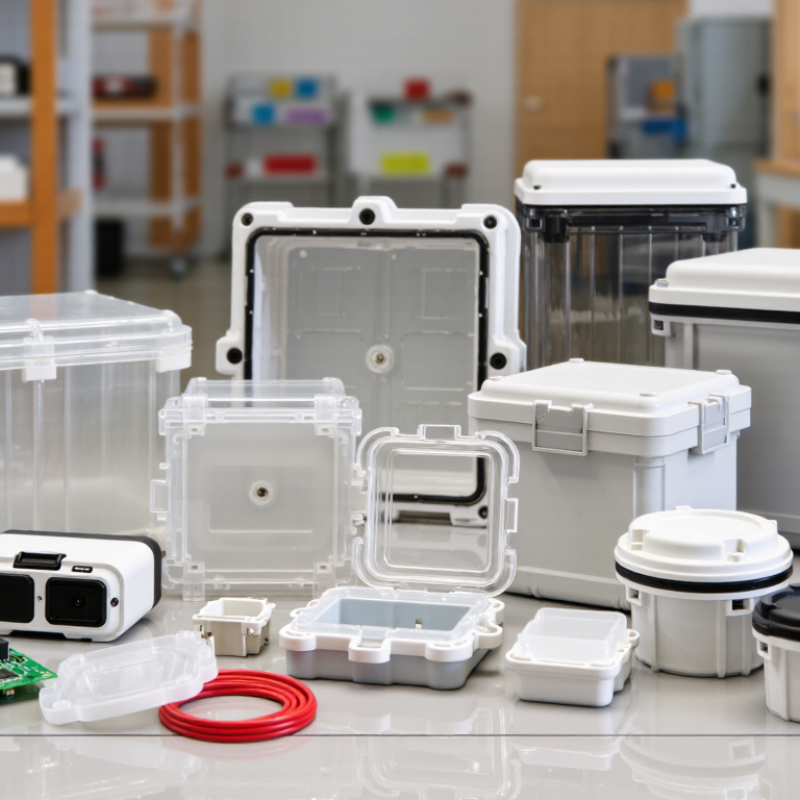
Plastic enclosures are protective housings for electronic and electrical components. They are commonly molded from ABS, polycarbonate, nylon, or polypropylene. Each material offers different resistance to heat, impact, chemicals, and ultraviolet exposure.
In practical enclosure selection, the shell is only the beginning. A sealed lid can protect circuit boards from dust and splashing water. Cable glands guide wires through the wall without leaving rough openings. Internal bosses hold a circuit board above the base, while DIN-rail clips support compact control equipment. Small details matter. Clear covers help technicians inspect indicator lights without opening the box.
These enclosures appear in factory controls, smart sensors, power supplies, communication equipment, and building automation systems. Outdoor units may need UV-resistant plastic, drainage features, and reliable gasket compression. Indoor panels often prioritize easy mounting and fast access. Some installations require flame-resistance ratings or electromagnetic shielding, depending on the equipment and local requirements.
Global buyers should check wall thickness, dimensional tolerances, operating temperature, ingress protection data, and test documentation. Sample testing is more dependable than relying on photographs. A common mistake is choosing a low-cost housing before confirming connector space. The parts may fit, yet the cables bend too sharply. No selection process is perfect. Even a technically sound enclosure can need redesign after assembly trials reveal heat buildup, weak screw posts, or an awkward service angle.
Plastic enclosures protect electrical and electronic components in applications such as control systems, outdoor junction boxes, industrial automation, telecommunications, and sensor installations. This chart compares commonly specified IP protection levels under IEC 60529. The first digit indicates protection against solids and dust, while the second digit indicates protection against water.
Evaluating plastic enclosure manufacturers requires more than comparing prices. Check their experience with your enclosure type, material, and production volume. Ask for samples made with the same resin and process planned for mass production. Inspect wall thickness, screw bosses, sealing grooves, hinges, and cable openings. Small details often reveal tooling discipline.
Request material datasheets, dimensional inspection reports, and test records. Useful tests may include impact resistance, heat exposure, UV aging, and ingress protection. Confirm whether testing is performed internally or by an independent laboratory. Review quality procedures, traceability, corrective actions, and production inspection points. A reliable manufacturer should explain failures clearly, not hide them.
Communication is equally important. Measure response times, drawing feedback, engineering support, and change-control practices. Ask about mold ownership, replacement parts, minimum order quantities, and backup production capacity. Visit the facility when possible, or arrange a documented remote audit. Look for organized storage, labeled materials, calibrated equipment, and trained operators. No checklist is perfect. A promising sample can still hide weak process control. I once underestimated packaging quality; several housings arrived scratched despite passing dimensional checks. That mistake changed how I evaluate final inspection and shipping protection. Compare at least three suppliers, but do not treat the lowest quote as the safest decision. Reliability is built through evidence, consistent communication, and repeatable production.
Leading plastic enclosure manufacturers serve global buyers across automation, electronics, energy, and medical equipment. Their value extends beyond injection molding. Strong suppliers understand wall thickness, draft angles, UV exposure, heat dissipation, and repeated assembly. According to Fortune Business Insights, the global electrical enclosure market was valued at approximately USD 7.4 billion in 2023 and is projected to reach about USD 11.0 billion by 2032. This growth increases pressure on manufacturers to deliver stable quality, not only attractive prices.
Reliable manufacturers usually provide material traceability, dimensional inspection, and documented testing. Polycarbonate, ABS, and glass-filled nylon each perform differently under impact, heat, and outdoor exposure. Buyers should request samples, tolerance reports, flame ratings, and IP testing evidence before approving production. IEC 60529 remains a key reference for ingress protection, but an IP rating does not automatically prove long-term weather resistance. That distinction is easy to miss.
A practical supplier should also manage tooling changes and replacement batches carefully. Small shifts in mold temperature can affect fit, sealing, or screw alignment. The catalog may look convincing. It can still hide weak process control. Industry research from MarketsandMarkets identifies industrial automation as a major demand driver for enclosure systems, making repeatability increasingly important. In my experience, the best sourcing decision balances engineering support, inspection discipline, lead time, and honest communication about limitations. Cheap tooling is not always economical. Sometimes, the safer choice is less impressive on paper.
Plastic enclosure selection starts with material, not appearance. In supplier audits, I inspect wall thickness, screw bosses, hinges, and cable exits before approving a polished sample. ABS offers easy machining and a clean surface. Polycarbonate provides stronger impact resistance. ABS/PC blends can balance both, but they usually cost more. PlasticsEurope’s Plastics – the Fast Facts 2024 reports global plastics production reached 413.8 million tonnes in 2023. That scale supports broad material availability, yet recycled content and traceability still vary between suppliers.
Injection molding Injection molding suits high-volume enclosures with repeatable dimensions and integrated ribs. CNC machining works better for prototypes or low-volume designs, although material waste can increase. Vacuum forming supports larger, lighter shells, but corners may lose precision. A 2024 industry report from MarketsandMarkets identifies injection molding as a major process across electrical and electronics production. The report also highlights demand for lightweight, customized components. Numbers help, but they do not replace testing.
Customization may include texture, color matching, labels, EMI shielding, waterproof seals, and threaded inserts. For outdoor use, engineers should verify UV exposure, temperature cycling, and ingress protection through documented tests. A gasket that feels tight may still leak after repeated compression. That is easy to miss. I would also request flame-resistance evidence, dimensional inspection records, and material certificates. No enclosure material is perfect. A cheaper shell can become expensive after redesigns, tooling changes, or field failures.
Top Plastic Enclosures Manufacturers for Global Buyers
How to Select the Right Plastic Enclosure Supplier
Choosing a plastic enclosure supplier requires more than comparing unit prices. Check material knowledge, molding experience, and documented quality procedures. Ask whether the supplier can recommend suitable polymers for heat, moisture, impact, and ultraviolet exposure. A reliable supplier should provide drawings, material data, inspection records, and clear production tolerances. Request a physical sample before approving any tooling.
Look closely at manufacturing capacity. Review mold maintenance, injection equipment, assembly methods, and traceability systems. Confirm the supplier’s minimum order quantity and realistic lead time. A factory may promise fast delivery, yet overloaded machines can create delays. Ask how it handles warped panels, short shots, color variation, and late design changes. These details reveal practical competence.
Communication matters just as much. Select a team that answers technical questions with measurements, not vague assurances. Discuss cable glands, mounting points, ventilation, sealing, and access for service technicians. If the enclosure needs an ingress rating or flame-resistance classification, request current test documentation. Do not rely on a copied certificate.
No supplier is perfect. A polished prototype can still hide weak production controls. A lower price can also reflect thinner walls or limited inspection. Build a small pilot order into the purchasing plan. Review fit, screw torque, surface finish, packaging, and shipment damage. Then revise the specification where needed. That extra review may feel inconvenient, but it often prevents expensive rework.
| Evaluation Dimension | What to Verify | Common Industry Reference | Why It Matters | Recommended Buyer Evidence |
|---|---|---|---|---|
| Manufacturing Process | Injection molding, compression molding, CNC machining, or vacuum forming | Injection molding is commonly used for repeat production; CNC machining is suitable for prototypes and low volumes | The process affects tooling cost, surface quality, production volume, and unit price | Process capability statement, sample parts, and production photographs |
| Material Selection | Material grade, flame rating, UV resistance, chemical resistance, and operating temperature | ABS, polycarbonate, PC/ABS, polypropylene, and nylon are widely used enclosure materials | Material properties determine mechanical strength, insulation, durability, and environmental performance | Material datasheet, resin traceability, and compliance documentation |
| Ingress Protection | Protection against dust and water under the intended installation conditions | Typical requirements range from IP54 for limited protection to IP65 or higher for demanding outdoor applications | A suitable IP rating helps protect electronics from dust, moisture, and water jets | Test report or certification based on IEC 60529, when required |
| Flammability Performance | Flame-retardant grade and application-specific safety requirements | UL 94 classifications include HB, V-2, V-1, and V-0; the appropriate level depends on the product design | Flammability performance can be important for electrical, industrial, and enclosed electronic equipment | Current material certification and a clear indication of the tested material thickness |
| Dimensional Capability | Part tolerances, wall thickness control, flatness, hole position, and assembly fit | Required tolerances depend on material, geometry, tooling, and the relevant engineering drawing | Consistent dimensions reduce assembly problems and improve interchangeability | Inspection report, drawing review, gauges, and first-article approval process |
| Customization Range | Custom geometry, mounting features, vents, windows, hinges, latches, inserts, and cable glands | Customization may require new tooling, tool modification, or secondary operations | A broader capability can reduce the need for additional assembly or machining suppliers | Capability matrix, engineering review, and representative customized samples |
| Surface Finish | Texture, gloss level, color consistency, printing, laser marking, painting, and coating | SPI and comparable mold-texture references are commonly used to define molded surface appearance | Surface requirements influence product appearance, scratch visibility, and brand presentation | Approved color samples, finish standards, and documented visual inspection criteria |
| Tooling and Development | Tool design, mold-flow review, prototype method, tool ownership, and engineering change control | Prototype validation before mass production is a standard risk-reduction practice | Structured development reduces late design changes, tooling rework, and launch delays | Development schedule, design review records, prototype approval, and tool-maintenance plan |
| Quality Management | Inspection procedures, process controls, corrective actions, and lot traceability | ISO 9001 is a commonly recognized framework for quality management systems | Documented controls improve consistency and support corrective action when defects occur | Valid certificate, control plan, inspection records, and nonconformance procedure |
| Production Capacity | Available molding machines, number of cavities, shift pattern, and capacity allocation | Capacity should be assessed against forecast demand, peak demand, and backup requirements | Adequate capacity helps protect delivery performance during demand changes | Capacity plan, equipment list, utilization data, and contingency plan |
| Lead-Time Planning | Tooling lead time, sampling time, production lead time, and shipping time | Lead times vary by tooling complexity, order quantity, material availability, and inspection requirements | Accurate planning supports inventory control and reliable product launches | Written quotation with milestone dates, production assumptions, and escalation contacts |
| Global Logistics | Export packaging, shipping terms, documentation, palletization, and delivery destinations | Incoterms such as EXW, FOB, CIF, and DDP define different cost and risk responsibilities | Clear logistics responsibilities help prevent unexpected freight costs and customs delays | Incoterms-based quotation, packaging specification, commercial invoice, and packing list sample |
| Regulatory Compliance | Applicable requirements for electrical safety, restricted substances, chemicals, and market access | Requirements may include RoHS, REACH, CE-related technical documentation, or other market-specific rules | Compliance documentation supports legal sale and customer qualification in target markets | Declaration of conformity, test reports, substance declarations, and technical files where applicable |
| Commercial Evaluation | Unit price, tooling charge, minimum order quantity, payment terms, warranty, and total landed cost | The lowest unit price is not always the lowest total cost after tooling, inspection, freight, rejects, and inventory are included | A total-cost comparison supports better long-term supplier decisions | Itemized quotation, payment terms, warranty conditions, quality-cost assumptions, and reference calculations |
Note: The reference points above are general purchasing guidelines. Final requirements should be confirmed against the product specification, applicable regulations, test methods, and the destination market.
Northeast Battery, a Stored Energy Holdings, Inc. Company