China Top 10 Turbidity Sensor Manufacturers
Turbidity affects how water looks and how reliably a treatment process can be monitored. A Turbidity Sensor measures suspended particles by detecting how they scatter or absorb light. In a treatment plant, that reading can help operators spot a sudden change after filtration. In a river, it can show how sediment shifts after heavy rain. The measurement is useful, but only when the instrument suits the site and its operating conditions.
China’s sensor industry includes manufacturers serving water utilities, environmental monitoring projects, laboratories, and industrial plants. This guide introduces ten companies and offers a practical starting point for comparing their products. It considers factors such as measurement range, optical design, installation options, calibration needs, technical documentation, and after-sales support. Product specifications are worth checking closely. A compact probe may fit a narrow pipe, while a submersible model may be better suited to an open channel. Details matter.
There is no universal best choice. Catalog figures do not always tell the full story, and real-world readings can be affected by bubbles, color, fouling, or uneven flow. Buyers should confirm performance claims with current manufacturer documentation and, when possible, application-specific testing. That extra step takes time. It can prevent a mismatch between a sensor’s stated capabilities and the conditions at the actual monitoring point. This overview aims to inform comparison, not replace technical evaluation.
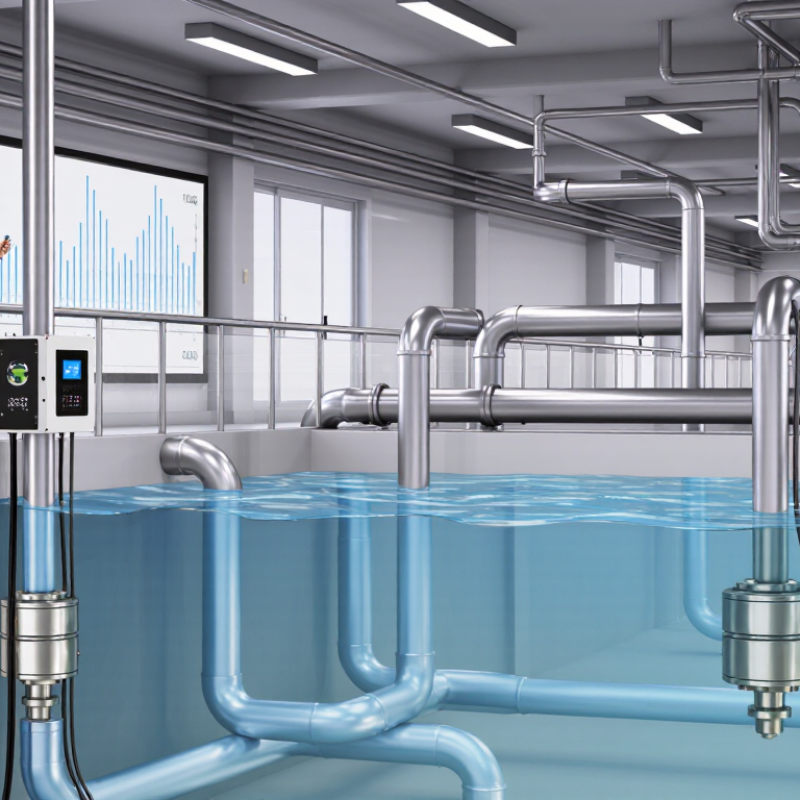
What Turbidity Sensors Measure and How They Work
A turbidity sensor estimates how cloudy water is by measuring how particles affect light. Tiny suspended materials, such as silt, algae, or organic debris, scatter or absorb light as it passes through a sample. Many sensors shine light into the water and detect scattered light at an angle, often 90 degrees. Others measure how much light travels straight through. Readings are commonly reported in NTU or FNU, depending on the instrument’s optical method. These values describe clarity, not the identity or safety of the particles.
In field use, bubbles, dirty optics, changing sample color, and deposits on the sensor can shift readings. A sudden spike may reflect real runoff—or simply a trapped air bubble. Small changes matter. Compare readings with a clean, calibrated instrument and note water temperature and sampling conditions. Turbidity can help track treatment or sediment movement, but it cannot identify a contaminant by itself. That distinction is easy to overlook.
Tips: Keep the sensing window clean, avoid bubbles during sampling, and calibrate with suitable standards at the recommended intervals. Record maintenance beside each measurement. If readings seem inconsistent, inspect the sensor and repeat the test before interpreting the result. Field conditions are messy, and even careful checks may not explain every unusual reading.
Key Criteria for Assessing Turbidity Sensor Manufacturers
When assessing turbidity sensor manufacturers, start with measurement performance, not brochure claims. Ask for calibration records, repeatability data, detection range, and response time under changing water conditions. ISO 7027-1:2016 describes standardized methods for measuring turbidity; a credible supplier should explain which method its instrument follows. Check whether readings remain stable when samples contain fine bubbles or suspended particles. Small details matter.
Next, examine whether the sensor suits your actual process. EPA’s Surface Water Treatment Rule sets a benchmark for filtered water: conventional and direct filtration systems must meet 0.3 NTU in at least 95% of monthly measurements, with no measurement above 1 NTU. These thresholds make low-range accuracy and dependable alarms practical selection criteria, not optional extras. Review the manufacturer’s test data near your operating limits. Ask about wiper performance, window fouling, replacement parts, and technical support. WHO’s Guidelines for Drinking-water Quality also emphasize turbidity’s role in treatment and disinfection monitoring. Still, a published specification cannot prove long-term field reliability. Request references from comparable installations, and verify maintenance needs with operators. Sometimes the best sensor is simply the one your team can keep clean and calibrated.
Products and Industries Served by These Manufacturers
Manufacturers in China’s turbidity-sensor sector serve needs ranging from field checks to continuous process control. Their product lines commonly include portable meters, benchtop analyzers, inline probes, and systems with automatic cleaning. Municipal water plants use inline sensors to track raw-water changes and filter performance. Wastewater facilities monitor treatment stages and discharge quality. Food and beverage processors, pharmaceutical plants, paper mills, mines, and aquaculture operations also use turbidity measurements to manage water clarity and production consistency.
Performance requirements depend on the application. The U.S. EPA Surface Water Treatment Rules set a benchmark for conventional and direct filtration: combined filter effluent must be at or below 0.3 NTU in at least 95% of monthly measurements, and must not exceed 1 NTU. The World Health Organization’s Guidelines for Drinking-water Quality note that turbidity below 1 NTU supports effective disinfection. These figures explain why buyers compare measuring range, accuracy, response time, and calibration needs—not just price.
Not every site is tidy. Bubbles, deposits, and changing sample flow can distort readings, so cleaning design and installation details matter. Procurement teams should verify performance under their actual water conditions and review maintenance records before selecting equipment.
How to Compare Manufacturers for Your Monitoring Needs
China Top 10 Turbidity Sensor Manufacturers: How to Compare Manufacturers for Your Monitoring Needs
A useful comparison starts with the water, not the catalog. Check whether the stated measurement range fits your expected turbidity, from clear treated water to sediment-heavy process streams. Ask how the sensor performs near the low end, where small differences can matter. That detail matters. Also confirm whether readings are reported in NTU or another unit, and whether the calibration method suits your procedures.
Look beyond the sensing element. Compare wetted materials, cable length, connector type, and protection ratings against the actual installation site. A river intake with leaves and grit may need a cleaning wiper; a sheltered tank may not. Ask about response time, temperature limits, output options, and compatibility with your data logger. Request calibration records and clear maintenance intervals. Vague answers are worth noticing.
Support can shape long-term costs. Ask how quickly replacement parts are available, what troubleshooting documents are provided, and whether staff can explain calibration without relying on sales language. A polished specification sheet is not proof of dependable field performance. The lowest quotation may leave out accessories, commissioning, or routine cleaning needs. Compare the complete setup, then check claims against a sample report or a practical demonstration. There is no perfect fit. Your site conditions should decide which trade-offs are acceptable.
China Top 10 Turbidity Sensor Manufacturers: How to Compare Manufacturers for Your Monitoring Needs
Use these U.S. EPA treated-water turbidity benchmarks when comparing sensor range, resolution, accuracy, and reporting capability. The values are regulatory thresholds, not manufacturer performance data.
For conventional or direct filtration, combined filter effluent turbidity must be no greater than 0.3 NTU in at least 95% of monthly measurements and must never exceed 1 NTU. Confirm applicable requirements for your location and application. Source: U.S. EPA Surface Water Treatment Rules.