
Acid Storage Cabinets protect people, equipment, and work areas from corrosive spills. A leaking bottle can damage a shelf, stain a bench, and expose nearby workers to harmful vapors. The risk may begin with a small mistake: a loose cap, a crowded shelf, or an incompatible container stored too close.
The National Research Council’s 2011 Prudent Practices in the Laboratory recommends separating chemicals according to compatibility and using appropriate containment. The U.S. Chemical Safety Board’s 2016 investigation of the West Fertilizer explosion documented 15 deaths and more than 260 injuries. That incident did not involve an acid cabinet, so it cannot establish cabinet performance. It does show why chemical storage deserves careful planning. Details matter.
A suitable cabinet helps contain leaks and supports orderly, clearly labeled storage. Selection should account for the acids stored, cabinet materials, ventilation needs, and the manufacturer’s instructions. James Reason, a leading safety scientist, wrote, “We cannot change the human condition, but we can change the conditions under which humans work.” That principle applies here: good equipment can reduce risk, but it cannot replace training, inspections, and compatible storage practices. A cabinet is not magic. Even a well-built one can be misused, and that is worth remembering.
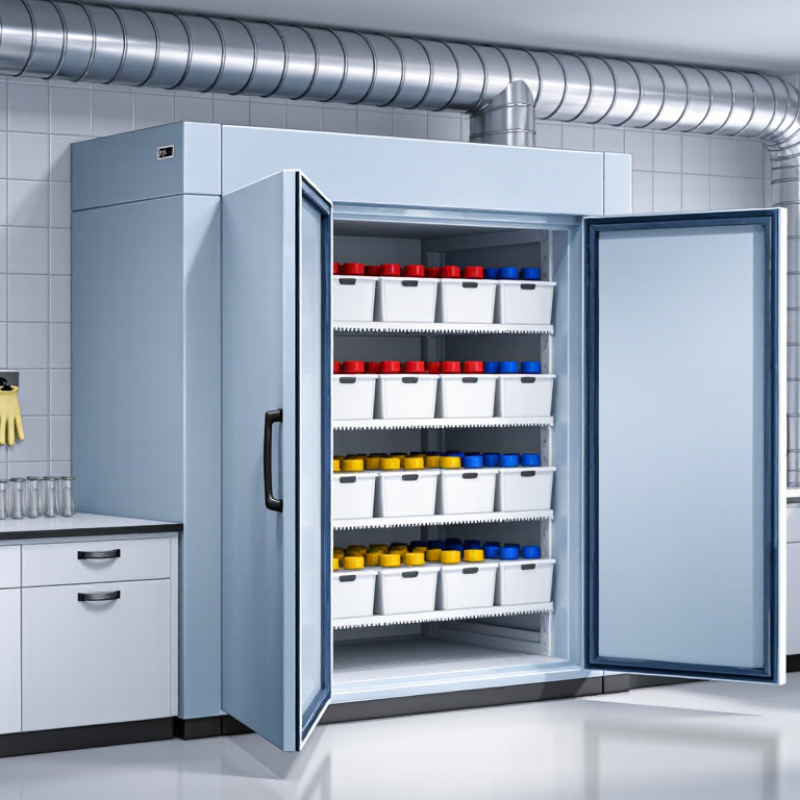
Acid storage cabinets are used to contain corrosive chemicals and limit the damage from leaks, splashes, or container failure. A loose cap can leave residue on a shelf or release irritating vapors. Small leaks spread fast. A cabinet made from corrosion-resistant materials, with compatible shelves and a leak-catching tray, helps keep spills away from people and nearby equipment. It is not a substitute for careful handling.
Segregation matters just as much as containment. Keep acids away from bases and chemicals that may react dangerously with them; check each chemical’s safety data sheet before storing it. OSHA’s laboratory standard, 29 CFR 1910.1450, requires safe chemical-storage procedures in a laboratory’s chemical hygiene plan. The NIOSH Pocket Guide to Chemical Hazards lists a 5 ppm, 15-minute ceiling recommended exposure limit for hydrogen chloride. That figure is an exposure benchmark, not a safe storage target. Store containers upright, clearly labeled, and low enough to lift without reaching overhead. A cabinet can still fail if incompatible bottles share a tray or damaged containers go unnoticed.
Acid storage cabinets rely on the right material between a spill and the room. High-density polyethylene and polypropylene resist many common acids, while coated steel depends on an intact coating. A scratch can expose metal beneath. NOAA’s CAMEO Chemicals database notes that sulfuric acid can react with metals and release hydrogen. That is a risk a cabinet’s material selection should help limit.
ASTM D543 evaluates how plastics respond to chemical reagents, including changes in appearance, dimensions, and weight. It is a useful test reference, not proof that every plastic suits every acid. Concentration, temperature, and contact time all matter. Compatibility charts are only a starting point. Check the specific chemical’s safety data sheet, and inspect seams, shelves, and spill sumps for cracks or coating damage.
Small leaks matter. The NIOSH Pocket Guide lists a 1 mg/m³ time-weighted exposure limit for sulfuric acid; this is an exposure limit, not a cabinet performance rating. Choose a cabinet with chemically compatible interior surfaces and contained joints. No material is invulnerable. I would still inspect it regularly, because a neat exterior can hide damage around a shelf edge.
Acids do not all behave alike in storage. A compatible cabinet helps keep containers organized and limits exposure to heat, knocks, and everyday traffic. More importantly, segregation reduces the chance that a leak from one container will meet an incompatible chemical. Check each product’s safety data sheet, and separate acids by compatibility rather than relying on labels alone. Oxidizing acids may need separation from organic acids and other materials. A small gap between containers can matter.
Secondary containment adds another layer. A corrosion-resistant tray or sump can catch drips from a loose cap or a damaged bottle before they reach the floor. It should be compatible with the chemicals stored and sized for the containers in use. Keep bottles upright, with caps secure, and avoid crowding the shelf. That is easy to overlook. Routine checks can reveal residue, cracked containers, or a tray that is already holding liquid. A cabinet cannot prevent every spill, and a tray is not a substitute for safe handling. Storage practices still need attention, especially when products or containers change.
Why Are Acid Storage Cabinets Essential?
How OSHA’s 5-ppm Hydrogen Chloride Ceiling Informs Exposure Controls
OSHA sets a 5-ppm ceiling for hydrogen chloride exposure in the workplace. A ceiling limit is not an eight-hour average; airborne concentration should not exceed it at any time. That makes routine handling important. A brief pour, a loose cap, or a bottle left open can create a sharp, local rise in vapor. An acid-compatible storage cabinet helps keep containers upright, closed, and separated from incompatible materials. It also provides secondary containment for small leaks. But it does not make exposure disappear. A cabinet is not an exposure monitor.
Control the source, then check the air. Keep containers closed and use appropriate local exhaust when transferring acid, following the product’s safety data sheet and site procedures. If workers report irritation, or a spill occurs, leave the affected area and follow the emergency plan. Do not use odor as a safety test. A sharp smell may be noticeable, but it cannot show whether concentration is below 5 ppm. Air monitoring can help verify actual conditions, especially during tasks with open containers. Even a well-kept cabinet can create false confidence if inspections are skipped. Check for corrosion, damaged caps, and residue on shelves; small details are easy to miss.
| Dimension | Verified value or guidance | Implication for acid storage and exposure control |
|---|---|---|
| OSHA hydrogen chloride ceiling | 5 ppm (7 mg/m³), listed as a ceiling limit in OSHA’s Air Contaminants standard, 29 CFR 1910.1000, Table Z-1. | A ceiling limit is an airborne workplace exposure limit, not a permitted concentration inside a cabinet. Preventing releases and assessing potential worker exposure remain essential. |
| NIOSH recommended exposure limit | 5 ppm (7 mg/m³) ceiling, as listed in the NIOSH Pocket Guide to Chemical Hazards for hydrogen chloride. | Use exposure assessments and appropriate work controls when handling HCl; do not treat storage equipment as a substitute for exposure monitoring or safe procedures. |
| NIOSH immediately dangerous to life or health value | 50 ppm for hydrogen chloride, according to the NIOSH Pocket Guide. | This is an emergency-planning reference, not a routine operating target. A spill or uncontrolled release requires prompt action under the site emergency plan. |
| Cabinet purpose | A dedicated, compatible corrosives-storage cabinet can help contain containers, limit access, and organize hazardous materials. | Select a cabinet designed for corrosive chemicals and compatible with the specific product and container materials. A cabinet does not, by itself, guarantee compliance with an airborne exposure limit. |
| Secondary containment | Use a compatible tray or other suitable secondary containment where required by the site’s risk assessment, applicable rules, or chemical-handling procedures. | Containment can help capture leaks and reduce the chance that a small container failure spreads corrosive liquid. Check compatibility and capacity for the stored containers. |
| Segregation of incompatible chemicals | Keep hydrochloric acid away from incompatible materials, including strong bases and reactive metals; consult the product safety data sheet for specific incompatibilities. | Segregation reduces the likelihood of dangerous reactions, heat generation, or release of hazardous gases. Do not store chemicals together solely because they fit in the same cabinet. |
| Ventilation and cabinet configuration | Whether a cabinet should be vented depends on the chemical, cabinet design, and applicable safety requirements. Follow the manufacturer’s instructions and the facility’s ventilation assessment. | Do not improvise cabinet ventilation or connect it to building exhaust without an appropriate design review. Storage controls should complement, not replace, safe handling and workplace ventilation. |
| Inspection and handling | Inspect containers for damage, leakage, legible labels, and secure closures; follow the safety data sheet and established procedures when transferring or handling HCl. | Routine checks can identify problems before they become releases. Use suitable personal protective equipment and spill-response procedures based on the task-specific hazard assessment. |
How SDSs, Labels, and Routine Inspections Guide Cabinet Management
An acid storage cabinet is only as useful as the decisions made around it. Read each product’s safety data sheet (SDS) before choosing a storage location. Check its storage guidance, incompatibilities, and spill-response information. Acids do not all behave alike. A cabinet should be compatible with the materials stored inside, and incompatible substances should be kept apart according to their SDSs. Use secondary containment when appropriate, so a small leak is less likely to spread across a shelf.
Labels make those decisions visible. Keep container labels legible, facing outward, and consistent with the contents. Never rely on a faded marker or a cabinet label to identify an unknown container. Small details matter. During routine inspections, look for drips, corrosion, damaged shelves, blocked vents, and doors that do not close properly. Check trays and cabinet floors, too; residue can be easy to miss under containers. Record findings and arrange prompt follow-up when something looks wrong.
A checklist helps, but it is not a substitute for careful observation. People can overlook familiar shelves, especially during a rushed inspection. A second trained person may notice what the regular inspector misses. Inspection frequency should fit the materials, use, and site procedures. If conditions change, review the SDSs and storage arrangement again. That extra review can feel repetitive, but assumptions age faster than labels.
Northeast Battery, a Stored Energy Holdings, Inc. Company