2026 Top Battery Types Which Battery Do You Need?
Choosing the right battery starts with the device, not the product label. In 2026, familiar options include alkaline and rechargeable NiMH cells, lead-acid batteries, and lithium-ion types such as LiFePO4. Each suits different jobs. A TV remote may need a standard AA cell, while a cordless tool or backup system may require a purpose-built rechargeable pack. They are not interchangeable just because their shapes look similar.
Check the required voltage, physical size, terminal layout, capacity, and charging method before buying. A higher capacity does not make a battery suitable if its voltage or connector is wrong. Heat, cold, and frequent charging can also affect performance. Small details matter.
So, how do you know which battery you need? Start with the device manual and the battery maker’s specifications. Compare chemistry, operating conditions, and expected runtime, rather than relying on price or a headline capacity figure alone. For rechargeable models, use a charger approved for that battery type; mismatched charging can damage equipment or create a safety risk. Stop if the label is unclear. Ask the manufacturer.
Battery packaging can be confusing, and even careful shoppers can overlook one specification. That is worth admitting. This guide compares common battery types, explains where they are typically used, and highlights practical trade-offs in cost, lifespan, maintenance, and convenience. The best choice is the one that matches the device’s stated requirements and your real use—not simply the newest or most powerful-sounding option.
Classify Battery Types: Primary Cells vs. Rechargeable Chemistries
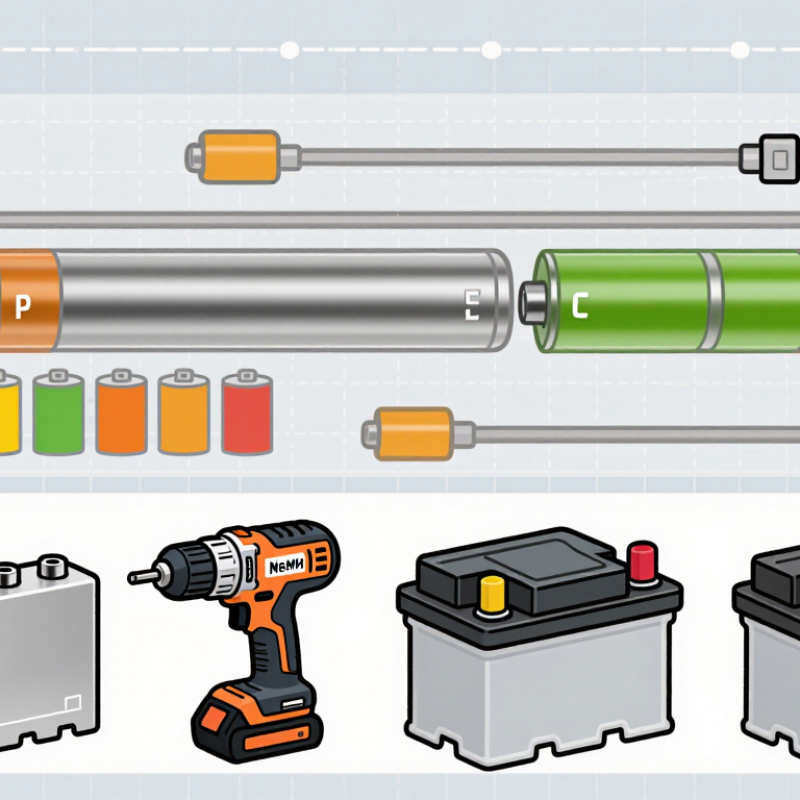
Battery types fall into two practical groups: primary cells are used once, while secondary cells recharge. Alkaline primary cells suit clocks, remotes, and other low-drain devices. Primary lithium cells often keep well in storage and perform reliably in cold conditions. Neither type is designed for routine recharging. Check the label, not just the shape.
Rechargeable chemistries include nickel-metal hydride, lead-acid, and lithium-ion. NiMH works well in frequently used household devices; lead-acid remains common where weight matters less than cost and dependable starting power. Lithium-ion covers many portable electronics and electric vehicles, but its specific chemistry matters. The IEA’s Global EV Outlook 2024 reports that lithium iron phosphate batteries reached nearly 40% of the global electric-car battery market in 2023. The IEA’s Global Critical Minerals Outlook 2024 reports lithium demand grew 30% that year. Those figures describe a fast-changing market, not a universal buying rule. For a small flashlight, capacity, shelf life, and replacement cost may matter more than chemistry headlines. I still find battery labels confusing. Compare voltage and charger compatibility before switching rechargeable types; a familiar size does not guarantee a safe match.
2026 Top Battery Types: Which Battery Do You Need?
Typical cell-level gravimetric energy density by chemistry
Primary (non-rechargeable)
Rechargeable
Primary cells are designed for single use, while rechargeable chemistries can be used through multiple charge cycles. Lithium-ion cells generally offer high energy density among rechargeable types; lead-acid cells are heavier for the energy they store. Values are approximate ranges and vary with cell design, size, and operating conditions. Choose a battery based on energy needs, power, cycle life, safety, and cost—not energy density alone.
Compare Specific Energy: Li-Ion 150–250 vs. Lead-Acid 30–50 Wh/kg
Specific energy describes how much energy a battery stores for each kilogram of mass. Lithium-ion batteries commonly provide about 150–250 Wh/kg, while lead-acid batteries are often around 30–50 Wh/kg. That gap matters when weight is limited. For the same nominal energy, a lead-acid battery may weigh several times more.
Consider a 1 kWh example. At 200 Wh/kg, the lithium-ion cells alone would weigh about 5 kg. At 40 Wh/kg, lead-acid cells would weigh about 25 kg. Real batteries include cases, wiring, and controls, so finished-system weights will be higher. The figures are a useful comparison, not a shopping guarantee.
There is a catch. Specific energy varies by chemistry, design, temperature, and age. A battery’s usable energy can also differ from its rated capacity, especially under heavy loads or in cold conditions. For a portable device or vehicle, lower mass may make lithium-ion a practical fit. For stationary backup, weight may matter less than cost, maintenance, and charging needs. I would not choose from one number alone. Check the product’s rated capacity, usable energy, and total system weight; those details are easy to overlook.
Match Voltage, Capacity in Ah, and Load to Your Runtime and Power Needs
Match battery voltage to the equipment first. A 12-volt device needs a compatible supply; extra amp-hours cannot fix the wrong voltage.
Estimate energy with voltage × capacity in amp-hours = watt-hours. A 12 V, 100 Ah battery stores about 1,200 Wh before losses. Divide usable watt-hours by the device’s watts for a rough runtime. A 60 W lamp could run about 20 hours on paper, but inverter losses, temperature, battery age, and cutoff settings reduce that figure. Real use varies.
Check both continuous load and startup surge. A pump or compressor may briefly draw far more power than its running rating, so verify the battery’s discharge limits. NREL’s 2024 Annual Technology Baseline models utility-scale lithium-ion storage at about 85% round-trip efficiency. That grid-scale figure is not a portable-battery rating, but it illustrates why stored energy and delivered energy differ.
For lead-acid batteries, drawing deeply can also reduce service life; rated capacity alone is not a runtime promise. That estimate is imperfect. Compare the maker’s test conditions, usable capacity, and temperature range with your actual load, then leave a practical reserve for cold mornings or aging cells.
Compare Cycle Life Using Ratings at the Specified Depth of Discharge
A cycle-life rating is meaningful only when its depth of discharge (DoD) is stated. A battery tested to 80% DoD is emptied more deeply each cycle than one tested to 50%. Comparing their cycle counts directly can mislead. Check the rating conditions, not just the largest number on the specification sheet.
Different battery types respond differently to deep discharge. Lead-acid batteries often deliver fewer cycles when regularly discharged deeply, while lithium-based options may tolerate deeper use. But chemistry alone does not guarantee a particular lifespan. Temperature, charge rate, and charging habits matter too. Small print matters.
For a fair comparison, match the DoD figures as closely as possible, then check whether each maker defines end of life the same way. Some count cycles until capacity falls to 80% of its original value; others may use a different threshold. Picture a cabin running lights overnight: a battery used from full charge to 30% remaining has a 70% DoD for that cycle. Real use is rarely that tidy, though. Daily loads change, and estimates can be off. Choose a rating that reflects your likely discharge depth, and leave a practical margin rather than planning around the best-case figure.
Select by Application: Weigh Safety, Temperature, Cost, and Compliance Tests
Choosing a battery starts with the job it must do. For a home sensor, a primary alkaline cell may keep costs low and avoid charging hardware. A cordless tool needs repeated high-current output, so a rechargeable lithium-ion pack may fit better. But chemistry alone does not decide safety. Pack design, protection circuits, and proper charging matter too.
Consider the actual environment. A battery installed beside a sun-warmed window may face different temperature limits from one used in a climate-controlled room. Check the manufacturer’s operating range, then compare it with measured conditions—not just the average. Cold can reduce available power; heat can speed aging. Small details matter. A battery that fits the compartment may still be wrong for the device’s current demand.
Cost includes more than the purchase price. Estimate replacement frequency, charging equipment, downtime, and disposal requirements. Before installation, review the device specifications and applicable transport, workplace, or product-safety rules. Ask for test reports covering capacity, cycle life, temperature performance, and abuse protection where relevant. Reports should identify the tested configuration; results from a cell alone may not represent a finished pack. I have seen selection decisions lean too heavily on headline capacity. That is easy to do, and worth questioning. A modest test plan using the real load and ambient conditions can reveal a mismatch before it becomes an expensive one.