2026 Top Battery Distributor Trends What to Know?
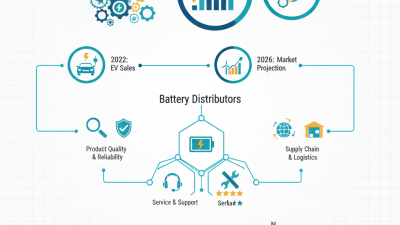
As the world accelerates toward sustainable energy, the role of battery distributors becomes increasingly vital. In 2026, these distributors will navigate unique challenges and opportunities. The rise of electric vehicles and renewable energy solutions drives demand for efficient battery distribution. Understanding the trends shaping this market is essential.
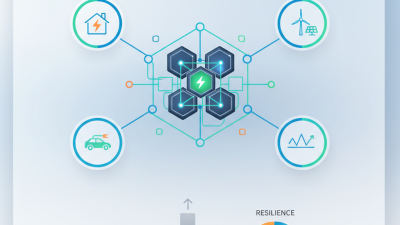
The evolution of technology also influences battery distributors. They must embrace innovation to stay competitive. Trends like energy storage systems and smart grids are becoming prevalent. Additionally, partnerships between manufacturers and distributors strengthen supply chains. However, not all distributors are adapting quickly enough, creating gaps.
Market dynamics will continue to shift, requiring a proactive approach. Battery distributors need to analyze consumer behavior. Data-driven decisions will play a crucial role in inventory management. As sustainability becomes a priority, ethical sourcing of materials is necessary. Reflecting on these trends can help distributors align with future demands.

Emerging Technologies Driving Battery Distribution Trends in 2026
The battery distribution landscape is evolving due to exciting technologies. As we head into 2026, several trends are emerging that businesses must understand. One significant trend is the rise of solid-state batteries, which offer higher energy densities. These batteries are lighter and charge faster, making them ideal for electric vehicles and portable electronics.
Another notable development is the integration of artificial intelligence in battery management systems. AI algorithms optimize battery performance and enhance safety. They can predict failures, enabling timely maintenance. This technology improves reliability and fosters a proactive approach in distribution. The synergy between AI and battery tech is set to change distribution methods.
Emerging recycling technologies are also transforming the industry. Efficient recycling processes recover valuable materials, reducing waste and minimizing environmental impact. This shift not only supports sustainability efforts but also addresses resource scarcity concerns. Companies must adapt to these trends to remain competitive. In this rapidly changing landscape, staying informed and agile is vital to success.
Sustainability Practices Shaping the Future of Battery Distribution
Sustainability is a major focus in battery distribution for 2026. Companies are increasingly adopting eco-friendly practices.
By prioritizing resource-efficient manufacturing, distribution channels are reducing their carbon footprints. Efficient logistics can greatly minimize environmental impact.
Recycling is becoming a core practice. Many distributors are revisiting battery lifecycle management. Proper recycling not only conserves materials but also promotes a circular economy.
However, challenges exist. Not all battery types are easily recyclable, and many facilities still need to catch up.
Additionally, suppliers are forming partnerships with green technology firms. These collaborations drive innovation in sustainable practices.
Yet, the industry faces skepticism about the effectiveness of these methods. Ongoing education and transparency will be essential for gaining public trust.
Market Dynamics: Key Players and Competitive Strategies in 2026
As we look ahead to 2026, the battery distribution market is evolving rapidly. Key players are adapting to new consumer demands. They are focusing on sustainable practices and innovative technologies. The shift toward electric vehicles fuels this growth. Companies must align their strategies to remain competitive.
Competitive strategies are transforming in this dynamic landscape. Collaborations are becoming essential for success. Partnerships with research institutions aid in developing advanced battery technologies. Additionally, improving supply chain efficiency is a priority. Distributors must find reliable sources to meet rising demand. Some organizations still struggle with these logistics.
Companies are also investing in customer education. A knowledgeable customer base can lead to informed decisions. This investment boosts brand loyalty and trust. However, many distributors face challenges in effectively communicating their value. They need a clear message that resonates with consumers. Engaging with the community is crucial, yet many overlook this aspect. Identifying and addressing these gaps will be necessary as the market matures.
2026 Top Battery Distributor Trends
Evolving Consumer Preferences Impacting Battery Distribution Models
The battery distribution landscape is evolving rapidly. Recent data from the International Energy Agency indicates a projected growth of the electric vehicle market, which is expected to reach 30 million units by 2026. This shift leads to changes in consumer preferences, pushing distributors to adapt their models. More consumers now prioritize sustainable choices, seeking batteries with lower environmental impact.
In response to this demand, distributors are reformulating their approaches. Many are now focusing on offering a broader range of battery technologies. Reports show that 45% of consumers express a preference for batteries that utilize recycled materials. The challenge lies in balancing innovation with supply chain efficiency. Distributors must navigate complex logistics while integrating greener practices. This can create tension between immediate profitability and long-term sustainability goals.
The increase in online shopping is another significant trend. Data from Statista reveals online battery sales jumped by 35% in 2022 alone. Distributors must enhance their digital platforms to meet this growing demand, yet many still struggle with outdated systems. More seamless integration could improve customer satisfaction, yet the transition is often clumsy. This scenario highlights the need for ongoing industry reflection and adaptation.
Regulatory Changes and Their Effects on the Battery Distribution Landscape
The battery distribution landscape is undergoing significant shifts, primarily driven by regulatory changes. Governments are enacting stricter environmental policies to meet climate goals. These rules impact production, distribution, and recycling processes. According to a recent industry report, about 70% of battery distributors expect regulations to tighten over the next few years.
New regulations often demand higher safety and environmental standards. Distributors must adapt to avoid penalties and maintain market competitiveness. A report by the International Energy Agency notes that stringent regulations may increase costs by 15-20%. Companies need to invest in training and technology to comply effectively. Many distributors find themselves struggling to keep up with these evolving demands.
The rise of electric vehicles (EVs) amplifies these challenges. More EVs on the road mean increased battery distribution needs. Data from the Battery Innovation Center indicates a potential 40% growth in battery sales by 2026. However, without adjusting to regulatory pressures, distributors risk falling behind. The balance between compliance and operational efficiency remains a complex issue.