China Top Battery Group Manufacturers for Global Buyers

Choosing the right battery group manufacturer can shape product safety, operating costs, and long-term supply stability. Global buyers need more than a polished website or a large production figure. They should examine factory capacity, cell chemistry, quality controls, export experience, and after-sales support. This guide introduces leading China-based battery group manufacturers through practical purchasing criteria rather than simple popularity claims.

A reliable supplier should provide clear technical documents, traceable materials, consistent testing records, and realistic delivery schedules. Buyers may also review certifications, production audits, warranty terms, and samples from different batches. A factory visit can reveal details that brochures often miss, including workplace organization, testing equipment, and packaging conditions. Small details matter.

The best choice depends on the application. Electric vehicles, energy storage systems, industrial equipment, and backup power products require different battery designs. A manufacturer experienced in one field may not perform equally well in another. Buyers should compare lithium-ion, lead-acid, and customized solutions according to performance, safety, temperature range, and service life. Cost still matters, but the lowest quotation may hide weaker testing or limited support.

This overview aims to help importers, distributors, and project developers ask better questions. It considers manufacturing experience, engineering capability, compliance awareness, and communication reliability. No supplier is perfect. Even established companies may face delays, material changes, or inconsistent regional support. Careful verification remains essential before signing a contract or placing a large order.
China Top Battery Group Manufacturers for Global Buyers

Battery Group Manufacturing in China: Industry Scope and Product Categories

China’s battery group manufacturing covers more than cell assembly. It includes cathode materials, cells, modules, battery packs, battery management systems, thermal controls, testing, and recycling preparation. The International Energy Agency reported that China produced nearly 80% of global battery cells in 2023. This scale supports flexible sourcing for electric vehicles, energy storage, industrial equipment, backup power, and light mobility.

Several product categories serve different operating conditions. Lithium iron phosphate packs prioritize thermal stability and cycle life. Nickel-based lithium batteries offer higher energy density for weight-sensitive applications. Lead-acid groups remain relevant for starting systems, telecom backup, and cost-focused equipment. Factory capabilities often include cylindrical, prismatic, and pouch cells, followed by customized voltage, capacity, enclosure, and communication configurations. Details matter here.

The IEA’s Global EV Outlook 2024 estimated global electric-vehicle battery demand exceeded 750 GWh in 2023. China represented the largest demand center and manufacturing base. However, reports use different definitions for “battery production,” “shipments,” and “installed capacity.” Buyers should check the measurement basis, not only the headline figure. In practice, supplier audits should review traceability, cell consistency, cycle-test records, protection design, and transport documentation. A low quoted price can hide integration work. That remains an uncomfortable but useful lesson.

How to Evaluate China’s Leading Battery Group Manufacturers

Evaluating China’s leading battery group manufacturers requires more than comparing quoted prices.

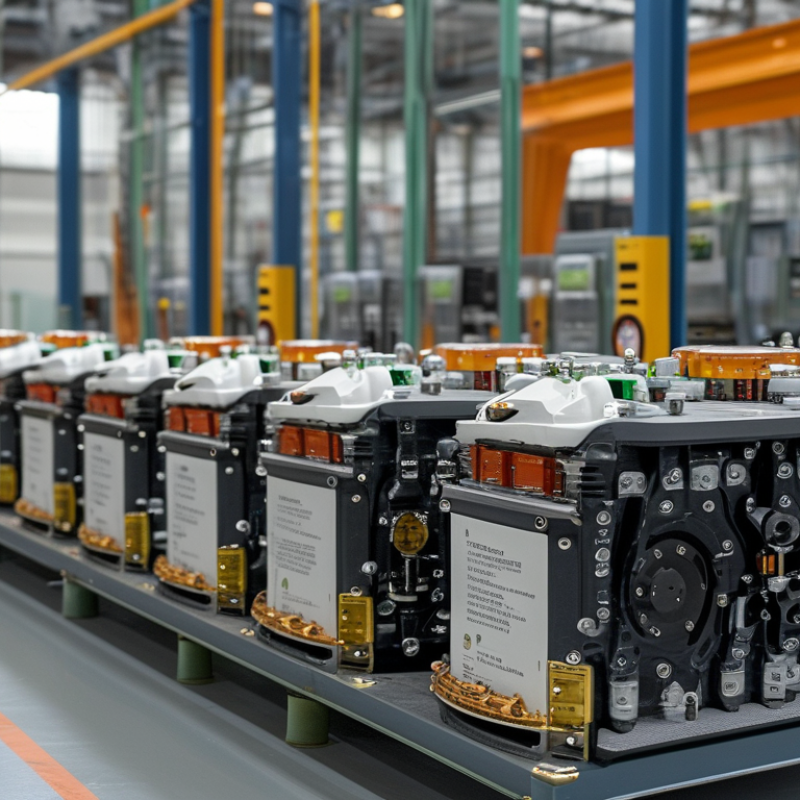
I begin by checking whether the factory designs, assembles, and tests its products. A site tour can reveal practical details: clean assembly areas, traceable cell bins, calibrated torque tools, and clear quarantine zones. Ask for production records, not polished photographs. Verify capacity, chemistry, operating temperature, cycle-life methods, and warranty exclusions in writing. Small details matter.

Technical credibility appears in repeatable evidence. Request sample test reports, safety certifications, incoming inspection procedures, and battery management system specifications. Compare test conditions carefully. A cycle-life claim means little without depth of discharge, temperature, charging rate, and failure criteria. Check whether software updates, fault logs, and remote diagnostics are supported. For larger orders, commission independent pre-shipment testing and inspect random cartons. This adds cost, but it can expose uneven cell matching or weak connectors before delivery.

Reliability also depends on communication after the sale. Assess response times, engineering ownership, spare-part availability, packaging quality, and procedures for damaged shipments. Ask for references from comparable applications, while remembering that references can be selective. I would score suppliers across quality, documentation, service, lead time, and total cost rather than price alone. My own caution: factory scale can look impressive yet hide slow decisions. A pilot order with clear acceptance criteria often reveals more than a confident presentation. Leave room to revise the score when evidence conflicts.

Key Technologies Used in Chinese Battery Group Production

China’s battery group production now depends on precise engineering, not only cell chemistry. Manufacturers commonly combine lithium iron phosphate cells, intelligent battery management systems, and liquid cooling. These systems monitor voltage, temperature, and charging balance in real time. Automated laser welding creates consistent electrical connections between cells and busbars. Cell-to-pack designs also reduce inactive materials and improve usable capacity.

Industry data shows the scale of this progress. The IEA’s Global EV Outlook 2024 reported that global battery demand for electric vehicles reached about 750 GWh in 2023. BloombergNEF’s 2024 Battery Price Survey placed the average battery-pack price at 115 US dollars per kWh. Chinese pack prices were lower, at approximately 94 dollars per kWh. Cost leadership matters, but quality control still decides long-term reliability. A minor seal defect can allow moisture into a pack. That risk is easy to underestimate.

Tips: Ask suppliers for cycle-life testing, thermal-runaway protection data, ingress-protection results, and traceability records. Check whether the BMS supports remote diagnostics and clear fault codes. Factory automation is useful, but it cannot replace disciplined inspection. Some production lines still depend heavily on manual checks. That is not automatically poor practice, yet it deserves closer verification. Standards, sample testing, and transparent documentation provide stronger evidence than impressive factory photos.

Export Standards, Certifications, and Global Supply Capabilities

China Top Battery Group Manufacturers for Global Buyers

Reliable battery group manufacturers must treat export compliance as a production requirement, not a sales promise. For lithium battery products, UN 38.3 testing supports safe transport approval. IEC 62133 may apply to portable battery systems, depending on product design and destination. RoHS and REACH requirements can affect materials, declarations, and market access. CE marking may be required for certain European products. Requirements vary.

Professional suppliers should provide controlled test reports, safety data sheets, product specifications, and traceable batch records. ISO 9001 systems help manage process consistency, while ISO 14001 can support environmental controls. During factory reviews, buyers should inspect cell matching, welding quality, insulation, and final inspection records. Small details matter. A loose terminal can become a costly export problem.

Global supply capability involves more than container capacity. Manufacturers need multilingual documentation, export packaging, stable raw material planning, and logistics experience across different regions. They should also support sample testing, private specifications, and corrective actions after audits. In practice, paperwork sometimes looks complete while sample traceability remains weak. That gap deserves direct questions. A credible supplier admits limitations, explains production risks, and records improvements instead of hiding them.

Choosing the Right Chinese Battery Group Manufacturer for Your Market

Choosing a Chinese battery group manufacturer requires more than comparing unit prices. Global buyers should examine production experience, engineering depth, and after-sales reliability. Ask how long the factory has served your target market. Request sample records, cell traceability, and recent quality reports.

A dependable manufacturer should explain capacity testing, temperature control, welding inspection, and aging procedures clearly. Visit the production line when possible. Look for clean workstations, calibrated equipment, and workers following documented checks.

Confirm compliance with the safety and transport rules required in your destination country. Current test reports matter more than attractive certificates displayed on a wall.

Communication is part of quality. A supplier that answers technical questions quickly can reduce delays during customization and shipping. Discuss minimum order quantities, replacement policies, warranty limits, and spare parts before signing anything. Ask for pilot batches with your actual connector, enclosure, and operating conditions.

Small details expose large weaknesses. No factory is flawless, and my own supplier evaluations have sometimes focused too heavily on price. That mistake can lead to unstable output, unclear responsibility, and expensive rework. A better decision balances verified performance, realistic delivery capacity, transparent documentation, and long-term technical support.