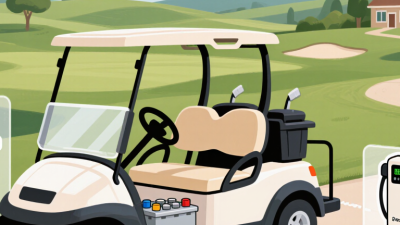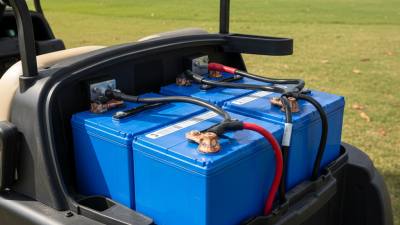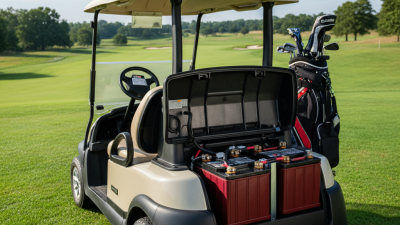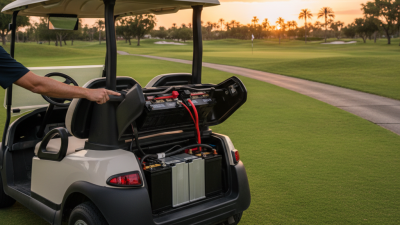
Choosing the right battery can change how a golf cart feels on the course, the street, or a sloped driveway. Trojan batteries golf cart owners often consider them for their established deep-cycle designs, dependable construction, and broad application history. These batteries are built to deliver repeated discharge and recharge cycles, unlike ordinary automotive batteries. That distinction matters when a cart carries passengers, climbs hills, or runs through long rounds.
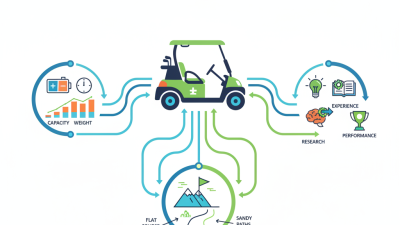
Performance depends on more than the brand name. Battery voltage, amp-hour capacity, cart compatibility, charging equipment, and driving habits all influence results. Trojan offers flooded lead-acid and AGM options, each with different maintenance needs. Flooded batteries may require regular watering and ventilation. AGM models generally reduce routine maintenance, but they still require correct charging and careful installation. A mismatched charger can shorten battery life quickly.
Small details matter.
A clean terminal prevents resistance and heat. Correct water levels protect flooded cells. Proper storage reduces unwanted discharge during quiet months. Temperature also affects charging behavior, especially in very hot or cold conditions. Manufacturer specifications and the golf cart’s manual should guide every choice. Independent testing, warranty terms, and service support deserve attention too.
It is tempting to expect a premium battery to solve every performance problem. That assumption needs correction. Worn cables, underinflated tires, overloaded carts, or an aging motor can create similar symptoms. A reliable decision combines inspection, measured capacity, and realistic usage expectations. Trojan batteries may be a strong option, but the best choice depends on the cart, terrain, maintenance habits, and available budget. The following sections examine these factors in practical detail.
Golf cart batteries are usually deep-cycle lead-acid batteries built for repeated discharge and recharge. Unlike starter batteries, they release power steadily over longer periods. Inside each unit, lead plates and electrolyte create a chemical reaction. This reaction converts stored chemical energy into electrical current. Cables carry that current to the controller and motor. The process sounds simple, but performance depends on battery condition.
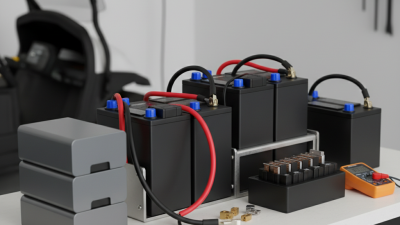
A typical golf cart uses six 8-volt batteries or four 12-volt batteries. Together, they form a battery pack with enough voltage for the motor. The controller regulates current when the accelerator is pressed. Higher current creates stronger torque, especially on slopes.
The motor then changes electrical energy into wheel movement. A healthy pack provides smooth acceleration and predictable range. Weak batteries often cause slow starts, dim displays, or sudden power loss.
In practical maintenance, check terminals, cable connections, and voltage regularly. For flooded batteries, inspect water levels and use distilled water only. Follow the vehicle manual carefully. Never add acid during routine maintenance. Keep charging areas ventilated, because charging can release gas. Repeated deep discharge can shorten battery life. I have seen a cart lose range even when one battery looked normal. The pack depends on its weakest unit. That detail is easy to miss. Tire pressure, passenger weight, temperature, and hills also affect range, so battery choice cannot explain every result.
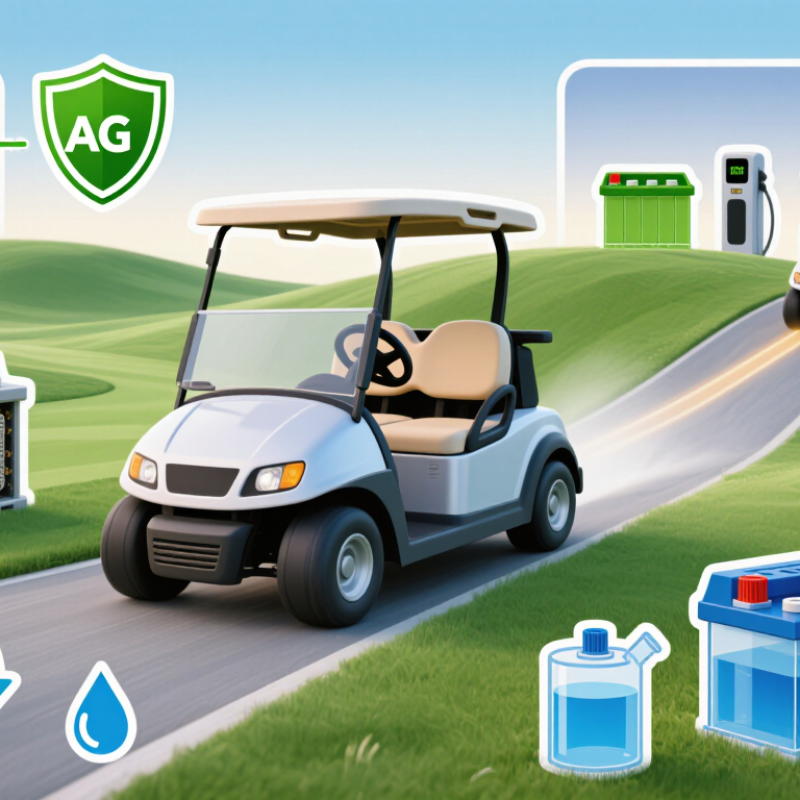
Golf carts need batteries built for deep cycling, not ordinary automotive starting batteries. The main options are flooded lead-acid, AGM, and lithium iron phosphate batteries. Each type suits a different driving pattern, budget, and maintenance routine.
Flooded lead-acid batteries remain a practical choice for many golf carts. Their thick plates support repeated discharge and recharge cycles. They usually come in 6-volt, 8-volt, or 12-volt units. Several batteries connect in series to match the cart’s system voltage. Check the tray size and terminal position carefully. Small fitting errors can create major installation problems.
AGM batteries are sealed and resist electrolyte spills. They work well when owners want less routine maintenance. However, they are heavier than lithium options and still need a compatible deep-cycle charger. Lithium iron phosphate batteries offer lower weight, steady voltage, and faster charging. Their battery management system helps control temperature, current, and overcharging. Do not assume every lithium pack fits every cart. The charger, cables, controller, and mounting space must match.
My early assumption was that the lightest battery was automatically best. Real inspections changed that view. A heavier lead-acid set may suit occasional users who value lower purchase costs. Frequent drivers may prefer lithium performance. Even then, service access matters. A neglected connection can reduce range quickly. Check the manufacturer’s voltage requirements and charging guidance before choosing.
Deep-cycle batteries perform differently from starter batteries because golf carts demand steady, repeated energy. Independent testing supports this distinction. The U.S. Department of Energy’s 2023 Cost and Performance Assessment reports roughly 70–85% round-trip efficiency for lead-acid storage. Its estimated cycle life ranges widely, often from 500 to 1,200 cycles. Depth of discharge changes everything. A cart climbing hills daily will use more energy than one moving across flat pavement.
In practical use, a well-maintained flooded battery may deliver three to five years. AGM designs can reduce watering work, but they usually cost more. IEEE Standard 1188 links service life to temperature, charging control, and maintenance quality. That matters beside a golf-cart charger. A battery left partly discharged can develop sulfation, reducing acceleration and usable range. A battery room at 35°C also ages faster than one near 20°C. Small details become expensive.
Performance comparisons should include voltage drop under load, not only a full-charge reading. A cart may show normal voltage, then slow sharply on a slope. That result is easy to miss. I would also question broad “1,200-cycle” claims, because laboratory cycles rarely match uneven paths, passenger weight, or missed watering. Sandia National Laboratories’ 2023 energy-storage review similarly warns that operating conditions strongly affect lifetime estimates. Real carts are messier.
Why Choose Trojan Batteries for Golf Carts?
What Maintenance and Charging Practices Do Trojan Batteries Require?
Golf cart batteries deliver dependable power when they receive consistent care. Check the battery area weekly for cracks, loose cables, or corrosion. Wear safety glasses and gloves during every inspection. Clean terminals with a battery-safe brush, then dry them completely. Tight connections reduce heat and improve electrical performance. I once ignored a slightly loose cable, and the cart lost power halfway through a round. Small warnings matter.
Tips: Charge after each use. Use the correct charger. Keep vents clear. Avoid deep discharges. For flooded batteries, add distilled water only after charging, unless the manufacturer states otherwise. Keep the fluid above the plates, but never overfill the cells. Water levels can change during hot weather, so inspect them more often. Do not mix old and new batteries in one pack without professional guidance.
Store the cart in a cool, dry, ventilated area. Disconnect the charger only after the cycle finishes, unless the charger’s instructions say otherwise. Clean spills promptly with the recommended neutralizing method. A voltmeter can reveal unusual voltage differences between batteries. Record inspection dates and water additions in a simple notebook. This habit seems excessive. It is not. Battery life varies with terrain, load, temperature, and charging habits, so follow the battery maker’s manual and request qualified service when swelling, leaks, or persistent low performance appears.
| Maintenance or Charging Area | Recommended Practice | Typical Timing or Target | Why It Matters |
|---|---|---|---|
| Battery Type Selection | Use matched deep-cycle batteries designed for repeated charge and discharge cycles. Keep the voltage, capacity, size, and terminal layout compatible with the cart. | Before installation or replacement | Proper matching helps prevent uneven charging, reduced performance, and premature battery failure. |
| Charging After Use | Recharge the battery pack after each normal use. Use a charger specifically matched to the cart’s battery-pack voltage and battery chemistry. | After every driving session; avoid routinely leaving the pack deeply discharged | Regular recharging limits deep discharge and supports longer cycle life. |
| Charger Completion | Allow the automatic charging cycle to finish. Do not interrupt charging repeatedly or use an incompatible automotive charger. | Until the charger indicates a completed cycle | A complete, correctly controlled cycle helps balance the pack and restore usable capacity. |
| Water Level for Flooded Batteries | Check electrolyte levels with appropriate protective equipment. Add distilled water only, and never use tap or mineral water. Keep the plates covered, but do not overfill. | Inspect regularly; typically before charging if the level is low, and top up after charging when required by the battery design | Correct electrolyte levels help prevent plate exposure, overheating, corrosion, and loss of capacity. |
| Sealed or AGM Batteries | Do not add water or open sealed battery cases. Use the charging profile specified for the battery chemistry. | At every inspection and charging-system check | Opening or overcharging sealed batteries can cause damage, leakage, or shortened service life. |
| Terminal Cleaning | Keep terminals clean, dry, and firmly tightened. Remove corrosion using a suitable battery-terminal cleaning method while wearing eye and hand protection. | Inspect monthly and whenever corrosion or looseness is visible | Clean, tight connections reduce resistance, heat, voltage drop, and starting or acceleration problems. |
| Cable and Case Inspection | Check cables for cracks, fraying, swelling, loose connections, and heat damage. Inspect cases for bulging, cracks, or electrolyte leakage. | Monthly and before extended storage | Early detection lowers the risk of electrical faults, acid exposure, and unexpected breakdowns. |
| Battery Compartment Cleaning | Keep the compartment clean and dry. If corrosion residue is present, follow the vehicle and battery manufacturer’s safe neutralization procedure. | Monthly or whenever residue accumulates | A clean compartment helps limit corrosion and reduces the chance of conductive contamination. |
| Ventilation During Charging | Charge in a well-ventilated area. Keep flames, sparks, cigarettes, and other ignition sources away from the battery compartment. | During every charging cycle | Flooded lead-acid batteries can release hydrogen gas during charging, creating an explosion hazard. |
| State-of-Charge Monitoring | Use the cart’s battery gauge and, when appropriate, a digital voltmeter or approved hydrometer for flooded batteries. Compare readings across the individual batteries. | Monthly and whenever driving range declines | Uneven readings may identify a weak battery, poor connection, charging issue, or developing imbalance. |
| Deep-Discharge Prevention | Avoid operating the cart until it can no longer move. Recharge promptly after heavy use and follow the vehicle’s low-voltage guidance. | Every use cycle | Repeated severe discharge can reduce available capacity and shorten the battery pack’s service life. |
| Long-Term Storage | Clean and fully charge the pack before storage. Disconnect or use the vehicle’s approved maintenance procedure, and protect the batteries from extreme temperatures. | Before storage and at periodic intervals during storage | A charged, protected battery is less vulnerable to sulfation, freezing, self-discharge, and permanent capacity loss. |
| Safety Equipment | Wear safety glasses and acid-resistant gloves. Remove metal jewelry and use insulated tools where possible. | Whenever inspecting, cleaning, or servicing batteries | These precautions reduce the risk of chemical burns, short circuits, and accidental sparks. |
| Professional Testing | Have the charging system, battery connections, and individual battery performance tested when range, power, or charging behavior changes noticeably. | At least annually or whenever symptoms appear | Professional testing can distinguish a battery problem from a charger, controller, motor, or wiring problem. |
Choosing the right deep-cycle battery for a golf cart starts with the cart, not the battery label. Check the owner’s manual for the required voltage, battery count, and compartment size. A six-battery system cannot simply replace a four-battery system. Measure the tray before buying. Small differences can prevent the cables from fitting safely.
Consider how you actually drive. A cart used for short neighborhood trips may need less capacity than one carrying passengers across hilly terrain. Compare amp-hour ratings, expected driving distance, and charging time. Flooded lead-acid batteries usually cost less, but they require regular watering with distilled water. AGM batteries reduce maintenance, while lithium options offer lower weight and faster charging. Each choice has trade-offs.
Inspect terminals for corrosion and keep connections tight. Loose cables create heat and reduce performance. In my experience, many owners focus only on price and ignore installation quality. That mistake can shorten battery life. I have also seen owners overestimate their driving range after reading ideal laboratory figures. Real conditions include hills, cold mornings, tire pressure, and extra weight. Ask a qualified technician to confirm compatibility, charger settings, and warranty coverage. A battery that fits physically may still be electrically unsuitable. Recheck the charger before installation.
Northeast Battery, a Stored Energy Holdings, Inc. Company