Need a Battery in 2026 Which Type Is Best?
Need a battery in 2026? The best type depends less on trends than on the job it must do. A car starter, home solar system, cordless drill, and smoke alarm place very different demands on a cell. Chemistry matters. So do size, voltage, charging method, temperature, runtime, and replacement cost. A label alone is not enough.
Battery researcher Jeff Dahn’s work offers a useful principle. A practical paraphrase is: “Choose for the application, not the headline.” Lithium-ion batteries offer high energy density for phones, laptops, and many electric vehicles. LFP batteries often suit uses that value long cycle life and thermal stability; NMC designs can prioritize compact energy storage. Lead-acid remains common for vehicle starting and backup systems. Alkaline cells are still practical for low-drain household devices. No universal winner.
For home backup, compare usable capacity, efficiency, warranty, and service support. For a small gadget, check the chemistry, dimensions, and whether rechargeable cells are supported. Never swap voltage or chemistry casually. The wrong match may shorten battery life or damage equipment. Sodium-ion is attracting interest for stationary storage, but availability and specifications vary. Read the manufacturer’s manual. Check the datasheet. And, honestly, a neat comparison chart can still leave out details that matter in your home. This guide weighs real trade-offs, not promises, to help you decide which type fits when you need a battery.
How Batteries Store and Deliver Electrical Energy
A battery does not store electricity like water in a tank. It stores energy in chemicals that can react in a controlled way. During charging, an external power source drives ions through the electrolyte and changes the electrodes’ chemical state. During discharge, ions move inside the cell while electrons travel through the outer circuit. That electron flow can run a lamp, motor, or phone. The chemistry supplies the energy; the connected device determines how quickly it is used.
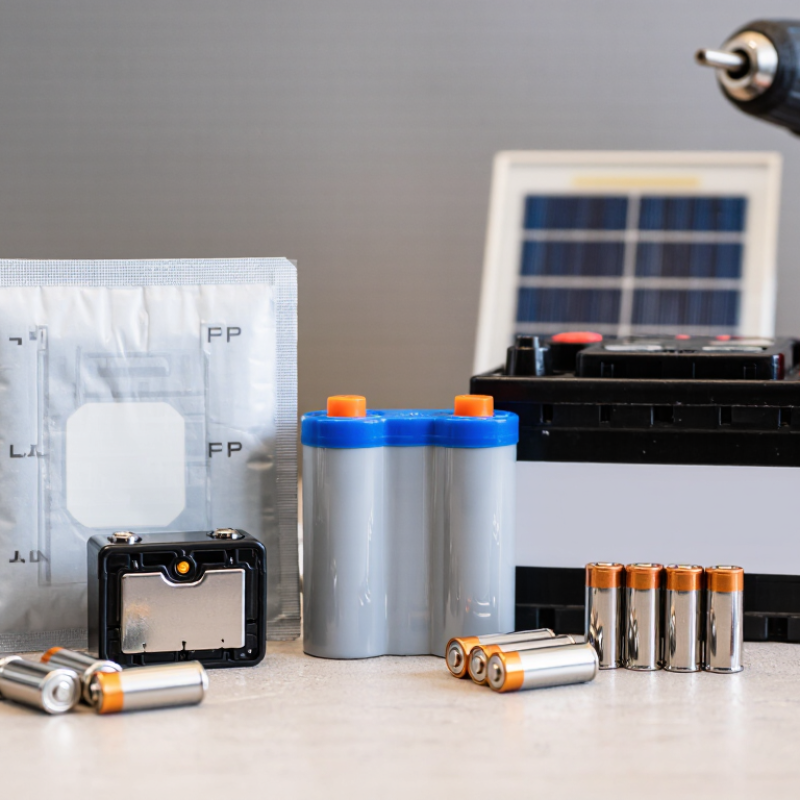
Different battery types handle this process differently. Lithium-ion cells offer high energy for their weight, so they suit portable devices and many electric vehicles. Nickel-metal hydride cells are rechargeable and can tolerate regular use, though they store less energy for their size. Lead-acid batteries are heavy, but can deliver strong current for starting engines. There is no universal best. Compare usable capacity in watt-hours, power needs, expected temperature, cycle life, and replacement cost. A larger capacity rating does not automatically mean a battery can supply a device’s peak current. I still find that easy to miss.
Tips: Match the battery’s voltage and current rating to the device. Keep it within its specified temperature range, and use a compatible charger. Check the label, not just the shape. A warm battery may be working hard, but warmth alone does not reveal its condition.
Major Battery Types Available in 2026
Major Battery Types Available in 2026
Alkaline batteries remain common in clocks, remotes, and simple toys. They are inexpensive and store well, but frequent use can make replacements costly. Zinc-carbon cells cost less, though they usually provide less energy under heavier loads. For a TV remote, that difference may barely matter. For a bright flashlight, it can.
Rechargeable nickel-metal hydride batteries suit cameras, game controllers, and other devices used often. They can replace many disposable cells, but check that the charger matches their size and chemistry. Primary lithium batteries are lightweight and perform well in cold conditions; they are useful in sensors or emergency equipment. They are not rechargeable. Never try to recharge them.
Lithium-ion batteries power phones, laptops, and electric vehicles. Within this family, lithium iron phosphate often favors long cycle life and thermal stability, while nickel-rich types can offer higher energy per kilogram. Lead-acid batteries remain practical for vehicle starting and backup systems, though they are heavy. Sodium-ion is gaining attention for stationary storage, but availability and performance vary. A battery that looks suitable on paper may disappoint in a cold garage. Check voltage, dimensions, load requirements, operating temperature, and the device maker’s instructions before choosing. I still find runtime estimates less dependable than real use.
Need a Battery in 2026 Which Type Is Best? - Major Battery Types Available in 2026
| Battery type |
Rechargeable? |
Typical cell voltage |
Typical energy density |
Typical cycle life |
Main advantages |
Common uses and trade-offs |
| Flooded lead-acid |
Yes |
2.0 V |
About 30–50 Wh/kg |
About 200–500 |
Low upfront cost; widely recyclable; can deliver high starting current. |
Vehicle starting, backup power, and off-grid systems. Heavy; requires ventilation and periodic maintenance; deep discharges can shorten life. |
| Sealed lead-acid (AGM or gel) |
Yes |
2.0 V |
About 30–50 Wh/kg |
About 200–700 |
Sealed construction; low routine maintenance; available in rugged formats. |
Uninterruptible power supplies, mobility equipment, and vehicle auxiliary systems. Heavy, and charging must follow the specific battery’s voltage limits. |
| Lithium iron phosphate (LFP) |
Yes |
About 3.2 V |
About 90–160 Wh/kg |
About 2,000–6,000 |
Long cycle life and good thermal stability compared with many other lithium-ion chemistries. |
Home storage, electric vehicles, and off-grid power. Often heavier or larger than higher-energy lithium-ion options; requires compatible battery-management and charging systems. |
| Lithium nickel manganese cobalt oxide (NMC) |
Yes |
About 3.6–3.7 V |
About 150–250 Wh/kg |
About 1,000–2,500 |
High energy density; useful where low weight and compact size matter. |
Electric vehicles, power tools, and portable devices. Needs careful thermal and charging management; actual life depends strongly on operating conditions. |
| Nickel-metal hydride (NiMH) |
Yes |
1.2 V |
About 60–120 Wh/kg |
About 500–1,000 |
Rechargeable; widely available in standard consumer battery sizes; avoids cadmium. |
Rechargeable household batteries and some hybrid vehicles. Generally heavier and more prone to self-discharge than lithium-ion cells. |
| Nickel-cadmium (NiCd) |
Yes |
1.2 V |
About 40–60 Wh/kg |
About 1,000–2,000 |
Can tolerate demanding use and high discharge rates; performs well in some low-temperature settings. |
Specialist equipment and legacy applications. Cadmium is toxic, so use and disposal are restricted or regulated in many regions. |
| Alkaline (primary) |
No, typically |
1.5 V |
About 80–150 Wh/kg |
Not applicable |
Low purchase cost, easy to find, and suitable for many low-drain devices. |
Remote controls, clocks, and occasional-use devices. Single-use cells create more waste than rechargeable options when used frequently. |
Values are typical indicative ranges, not guaranteed specifications. Energy density and cycle life vary by cell design, manufacturer, temperature, discharge depth, charge rate, and test method. Compare complete battery systems and follow the device manufacturer’s compatibility and safety guidance.
Key Factors for Comparing Battery Performance
Battery performance depends on the job, not a single headline number. Compare usable energy, power output, cycle life, charging speed, temperature tolerance, and total cost over the expected service period. A battery powering a cabin through winter needs different strengths from one delivering brief bursts of power. Check usable capacity, not just the number printed on its label. That gap matters.
Chemistry offers useful clues, but not a final verdict. The International Energy Agency’s Global EV Outlook 2024 reports that lithium iron phosphate batteries reached nearly 40% of the electric-vehicle battery market in 2023, up from less than 10% in 2020. Adoption signals practical appeal, not universal superiority. Nickel-rich lithium-ion cells can store more energy in less space, while LFP is often chosen where durability and thermal stability matter. NREL’s 2024 Annual Technology Baseline uses 85% round-trip efficiency for utility-scale lithium-ion storage; real results vary with system design and operating conditions. Ask for independently tested efficiency, warranty terms, and capacity-retention data. Then compare performance at your actual temperature and daily usage. It is easy to overlook installation losses. Some assumptions deserve a second look.
Need a Battery in 2026? Which Type Is Best?
Typical cell-level specific energy by rechargeable battery chemistry
Higher specific energy means more energy for a given battery weight. NMC is often chosen when lightweight, compact energy storage is the priority; LFP is a popular choice when long service life and thermal stability matter. The best option depends on cost, safety requirements, operating conditions, and the application. Values are approximate typical ranges; actual cells vary by design.
Best Battery Types for Different Uses
The best battery depends on the job, not a single “best” chemistry.
For home solar storage and frequent daily cycling, lithium iron phosphate (LFP) is often a practical choice: it offers strong cycle life and avoids some thermal risks associated with nickel-rich chemistries. The International Energy Agency’s Global EV Outlook 2024 reports that LFP supplied nearly 40% of global electric-car battery demand in 2023. That figure reflects growing adoption, not proof that LFP suits every installation. It is heavier for the same stored energy, which matters in a small device or vehicle.
When space and weight matter, nickel-manganese-cobalt (NMC) batteries can make more sense, especially in electric vehicles and portable equipment. For engine starting or inexpensive standby backup, lead-acid remains useful, though its weight and shorter cycle life make it less appealing for repeated deep discharges. BloombergNEF’s 2024 battery price survey put the average lithium-ion pack price at about $115 per kilowatt-hour; it is a broad market average, not a quote for a home system. Check usable capacity, warranty conditions, temperature range, and replacement cost before comparing prices. I still hesitate to call any chemistry universally safer: installation, controls, and operating conditions matter too.
How to Choose a Battery for Your Needs
Choosing a battery starts with the device, not the shelf. Check its manual or battery compartment for size, voltage, and approved chemistry. A cell that fits may still deliver the wrong voltage. Check the manual.
Then consider how the device uses power. A wall clock draws very little, while a camera flash or toy motor can demand sharp bursts. Alkaline cells suit many low-drain devices. Rechargeable nickel-metal hydride cells can be practical for frequently used electronics, but confirm compatibility and use a charger made for them. Never recharge a battery labeled for single use. Avoid mixing old and new cells, or different chemistries, in one device.
Your surroundings matter too. Cold weather can reduce battery performance, especially during outdoor use. Cold changes things. For a headlamp on a winter walk, check the specified operating range and carry a spare stored safely in a dry pocket. For a remote used twice a year, long shelf life may matter more than rechargeability. Runtime figures are estimates; real results vary with temperature, device load, and battery age. A simple battery tester can help, though a reading without a load may not reveal how a cell performs in a power-hungry device. I would not choose by price alone; replacing a poor match can cost more than expected.