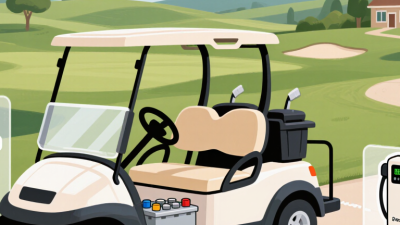
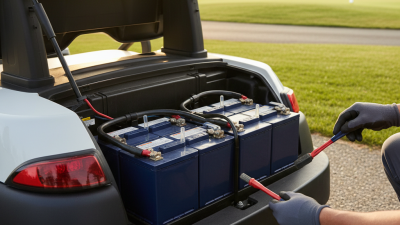
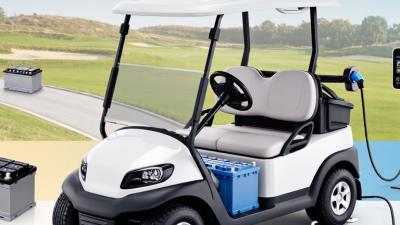
How to Choose Trojan Batteries for Golf Carts
Choosing the right battery can change how a golf cart feels on the course, driveway, or private road. A suitable battery delivers steadier power, fewer interruptions, and more predictable charging. However, the best option is not always the largest or most expensive model. Voltage, battery type, dimensions, capacity, and charging requirements must match the cart’s design.
This guide explains how to evaluate trojan batteries golf cart owners commonly consider. Trojan has built a strong reputation through long-standing battery manufacturing experience and detailed technical specifications. Still, brand recognition should not replace careful checking. A six-volt battery may look similar to another model, yet its capacity and terminal layout can differ. Measure the battery compartment before ordering. Check the cart’s existing voltage system, charger compatibility, and cable condition.
Real-world use matters.
A cart carrying two adults over hilly fairways needs different support from one used briefly on flat ground. Flooded lead-acid batteries may offer familiar maintenance routines, while AGM or lithium options can reduce daily upkeep. Each choice has trade-offs involving cost, weight, service life, charging speed, and installation requirements. Manufacturer data provides a reliable starting point, but operating habits also influence results. Frequent deep discharges, poor ventilation, or an unsuitable charger can shorten battery life. I would not treat any single recommendation as universal. Reviewing the owner’s manual and confirming specifications with a qualified dealer can prevent an expensive mismatch. This article will help compare practical options with clearer expectations.
Identify Your Golf Cart’s Voltage and Battery Configuration
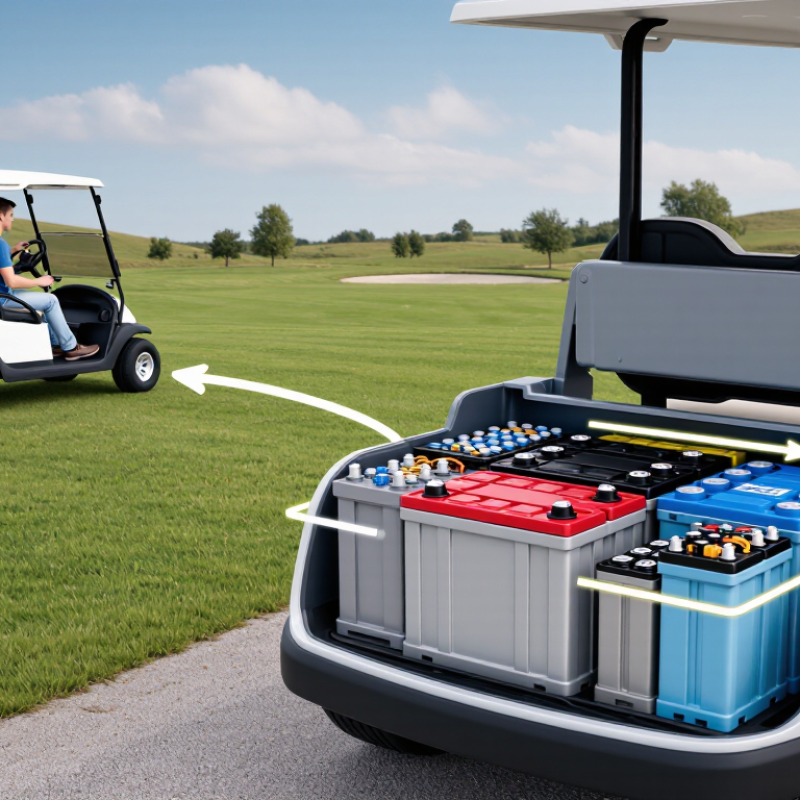
Before choosing replacement batteries, identify your golf cart’s voltage and battery configuration. Check the label inside the battery compartment, near the charger, or on the motor controller. Common systems use 36 or 48 volts. Some carts use six 6-volt batteries, six 8-volt batteries, or four 12-volt batteries. The total must match the cart’s original system voltage.
Do not trust appearance alone. Count the batteries, then read each battery’s voltage and capacity rating. A 48-volt cart with four 12-volt batteries needs a different charger and cable layout than a 48-volt cart with six 8-volt batteries. Battery Council International reported a 99% recycling rate for lead batteries in the United States, showing how established this technology remains. However, recycling success does not guarantee correct installation. Small mistakes can reduce range, cause overheating, or damage the charger. I have seen owners replace batteries by size only. That shortcut often fails.
Tips: Photograph the wiring before removal. Record every cable connection. Confirm polarity twice. Match the new batteries’ voltage, amp-hour rating, terminal style, and physical dimensions. The U.S. Department of Energy’s Alternative Fuels Data Center emphasizes that voltage ratings describe the complete electrical system, not just one battery. That detail matters. A mismatched pack may still power the cart briefly, but performance will be unreliable. When records are missing, ask a qualified technician to test each battery and inspect the charger before ordering replacements.
How to Choose Trojan Batteries for Golf Carts - Identify Your Golf Cart’s Voltage and Battery Configuration
| Nominal Cart Voltage |
Typical Battery Options |
Number of Batteries |
Series Configuration |
Common Application |
Selection Notes |
| 24 V |
6 V deep-cycle batteries
12 V deep-cycle batteries |
4 × 6 V
2 × 12 V |
All batteries connected in series |
Some compact or older electric carts |
Confirm the original battery voltage and tray dimensions before purchasing. |
| 36 V |
6 V deep-cycle batteries
12 V deep-cycle batteries |
6 × 6 V
3 × 12 V |
All batteries connected in series |
Many older and standard electric golf carts |
A 36 V charger is required. Do not combine batteries with different voltages, ages, or capacities. |
| 48 V |
6 V deep-cycle batteries
8 V deep-cycle batteries
12 V deep-cycle batteries |
8 × 6 V
6 × 8 V
4 × 12 V |
All batteries connected in series |
Common in newer electric golf carts |
Match the battery type to the cart’s charger, controller, cables, and battery compartment. |
| 72 V |
12 V deep-cycle batteries |
6 × 12 V |
All batteries connected in series |
Specialized or high-performance electric carts |
Verify the vehicle specifications carefully because 72 V systems are less common. |
Golf Cart Battery Identification Checklist
| Inspection Dimension |
What to Check |
Why It Matters |
| Battery label |
Read the nominal voltage, amp-hour rating, battery type, and dimensions. |
The replacement must be electrically and physically compatible. |
| Battery count |
Count the batteries and note whether they are connected in series or parallel. |
Series voltage is calculated by adding the individual battery voltages. |
| Charger rating |
Check the charger output voltage and whether it is designed for lead-acid or lithium batteries. |
An incorrect charger can cause poor charging, overheating, or battery damage. |
| Battery capacity |
Compare the amp-hour rating at the same stated discharge rate. |
Higher usable capacity generally provides longer driving range. |
| Physical fit |
Measure length, width, height, terminal position, and hold-down clearance. |
A battery can have the correct voltage but still fail to fit safely. |
| Replacement practice |
Replace the complete battery set whenever possible instead of mixing old and new batteries. |
Matched batteries charge and discharge more evenly, improving system performance and service life. |
Compare Trojan Battery Types for Your Cart’s Driving Needs
Choosing the right golf cart battery depends on how, where, and how often you drive. A short, flat course may work well with flooded lead-acid batteries. They usually cost less upfront and provide dependable power. However, they need regular watering, clean terminals, and proper ventilation. Ignore those tasks, and performance can decline sooner than expected.
AGM batteries suit drivers who want less routine maintenance. Their sealed design reduces spill concerns and handles vibration well. They can be useful for carts stored in garages or used on uneven paths. Lithium batteries offer lower weight, faster charging, and more usable energy during repeated trips. They also require a compatible charger and battery management system. Check both before buying.
Think about distance, passenger weight, hills, and charging access. A cart carrying four adults uphill needs more sustained power than one used for short neighborhood rides. Measure the battery compartment carefully. Small mistakes happen here. Voltage must match the cart’s electrical system, too. In real use, the lightest option is not always the best value. A lithium pack may reduce weight, but its higher purchase price can challenge a limited budget. Flooded batteries remain practical for owners willing to maintain them consistently. Your driving routine should decide the battery type, not advertising claims.
Check Size, Terminals, Charging Needs, and Installation Fit
How to Choose Golf Cart Batteries
Choosing golf cart batteries starts with accurate measurements, not a guess. Check the existing battery voltage, length, width, and height before shopping. Common systems use 6-, 8-, or 12-volt batteries, but the cart determines the correct combination. Measure the battery bay with the cables removed and note the hold-down position. A battery that fits loosely may move over rough paths.
Inspect the terminals carefully. Their location, size, and polarity must match the cart’s cables. Check for cracked cable ends, corrosion, or stretched wires during installation. Charging needs matter just as much. Use a charger designed for the battery’s voltage and chemistry. An unsuitable charging profile can cause weak performance, overheating, or shortened service life. Follow the battery and charger instructions, and allow ventilation while charging.
Tips: Photograph the original cable layout before removal. Label each cable if the arrangement looks confusing. I once trusted a similar-looking battery and missed a height difference. It installed, but the cover pressed against the terminals. That mistake was avoidable. Leave enough space for inspection, cleaning, and safe cable movement. After installation, tighten connections firmly without forcing them, then test the cart slowly in an open area. Check again after the first few uses, because new connections can settle slightly.
How to Choose Golf Cart Batteries: Voltage, Charging, and Installation Fit
How to read the chart: Batteries connected in series add their nominal voltages. A 36-volt cart can use six 6-volt batteries or three 12-volt batteries, while a 48-volt cart can use eight 6-volt, six 8-volt, or four 12-volt batteries.
Before buying, confirm the cart’s required system voltage, charger output, battery chemistry, battery-tray dimensions, terminal locations, cable reach, and terminal type. The replacement batteries must fit the tray without interference and must be charged with a compatible charger.
Evaluate Battery Lifespan, Maintenance, Warranty, and Total Cost
A golf-cart battery should be judged by usable years, not its purchase price. IEEE 1188 commonly treats 80% of rated capacity as end-of-life for lead-acid batteries. In real use, heat, deep discharges, and undercharging can shorten that timeline. A cart climbing a long hill may feel slower months before failure becomes obvious. Track voltage, water levels, and driving distance each month. Small records reveal expensive habits.
Maintenance affects lifespan more than many buyers expect. Flooded batteries need regular distilled water checks, clean terminals, and proper charging. Sealed batteries reduce routine work, but they still require ventilation and correct charger settings. I would inspect the warranty carefully. Check coverage length, labor terms, prorated replacement, and exclusions for low electrolyte or improper charging. Warranty language can disappoint.
Total cost needs a simple calculation: purchase price, charger compatibility, maintenance time, replacement frequency, and resale impact. BloombergNEF’s 2024 Battery Price Survey reported an average lithium-ion pack price of 115 dollars per kilowatt-hour, down 20% year over year. That figure is not a retail golf-cart quote, but it shows why chemistry prices keep changing. Compare cost per year, not cost per pack. A cheaper battery that lasts three seasons may lose to a costly pack lasting six. I would still leave room for doubt. Driving habits vary widely. Test your real route before trusting a spreadsheet.